Fannie, Freddie, Trump & the Housing Crisis
원문 보기 (영문) →한국어 번역이 곧 추가됩니다. 그 동안 아래 영문 원문 또는 출처 사이트를 참고해주세요.
The GSEs’ investors have seen enough unfulfilled grand promises over enough years to try the patience of Job.
Since President Trump’s election to a second term, the shares of both GSEs have marched upward toward the mid-teens and then fallen dramatically to the mid-single digits.
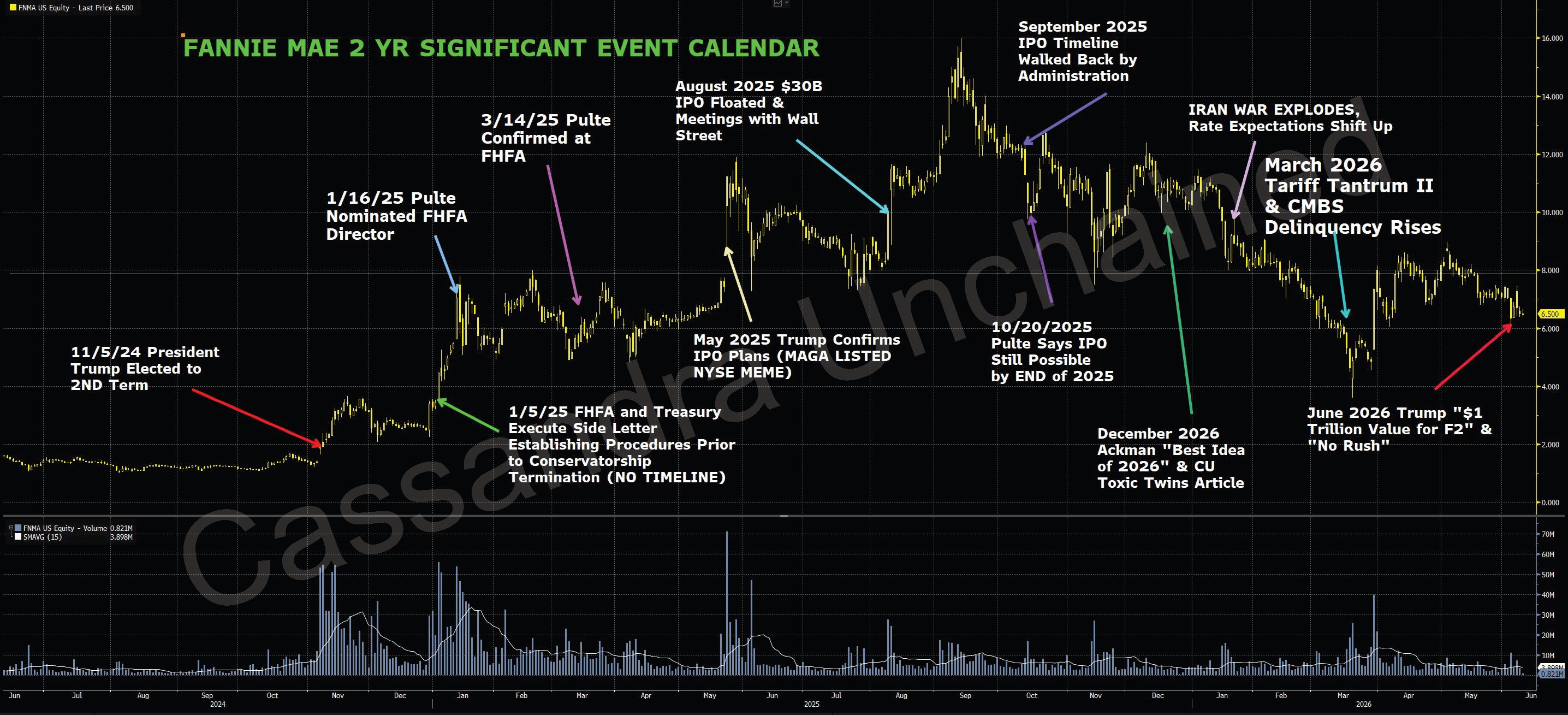
Freddie Mac’s event map looks almost exactly the same as Fannie’s, above, with the very same events. The shares remain up hundreds of percent since before Trump’s election.
The stair step up and stair step back down appears to be a prototypical head and shoulders pattern, typically a reflection of investors’ tortured psychology and relatively agnostic as to underlying business fundamentals.
The map nevertheless suggests the stock moved in line with a number of fundamental news items. That is, to the extent hopes, dreams and disappointments count as news.
Amidst the ups and downs, one truth remains. By far the largest driver of value of the shares stems neither from an IPO nor from an exchange listing.
Shareholders’ Sisyphean saga comes down to the Senior Preferred Stock (SPS) Liquidation Preference (LP), which grows largely in line with the Twins’ retained earnings.
For now, Fannie and Freddie retain those earnings and keep that capital.
Fannie and Freddie as enterprises benefit from improved capital position, but common shareholders do not see it and today have no claim to it.
The Twins have paid far more to the Treasury than was ever provided to them, but if the SPS LP is affirmed by Treasury, the Twins’ stocks will fall straight to the low single digits, or lower.
If the SPS LP is instead deemed to have been paid off, then all those retained earnings indeed belong to the Twins, and the shares rise 3-4x from current levels initially, and 6-7x in time. I assume exercise of the warrants and ensuing dilution.
I am fairly confident that clarification on the SPS will precede the IPO, as marketing for the IPO likely cannot proceed without such.
The ugly truth is that the end result is in the Trump Administration’s hands.
Trump has not been ignoring the GSEs, even if his focus has shifted. He still wants more housing to remedy the housing shortage situation and to bring down housing costs.
There is a general misunderstanding that the Twins are currently sending profits back to the US government. This is not true. The Treasury is not getting significant cash flows from the Twins at this time. It is all in the SPS LP. The capital stays with the Twins.
The warrants expire in September 2028. I believe there will be action before the warrants expire, which will be just before the next presidential election.
This will likely bring Fannie and Freddie back to the fore, as Trump will be interacting with donors and looking to finish a few things in his lame duck year.
Executive Order 14393 Promoting Access to Mortgage Credit was signed March 13, 2026. This EO gave the FHFA director 120 days to submit a report on the efficiency of national housing finance markets, recommendations on regulations or legislation. That is due right around this July 11th weekend.
Some speculate that this EO report will recommend reducing the Enterprise Regulatory Capital Framework (ERCF), which determines the regulatory capital required to be held by both Fannie and Freddie.
Bulls on the stock expect the FHFA will cap the ERCF at 2.5% of adjusted total assets, a dramatic reduction in capital requirements.
For my examination of valuation under different outcomes, as well as more discussion of the ERCF scenarios, please see the first article, Fannie & Freddie, Toxic Twins No More No More.
Fannie & Freddie, Toxic Twins No More No More?
·
December 8, 2025
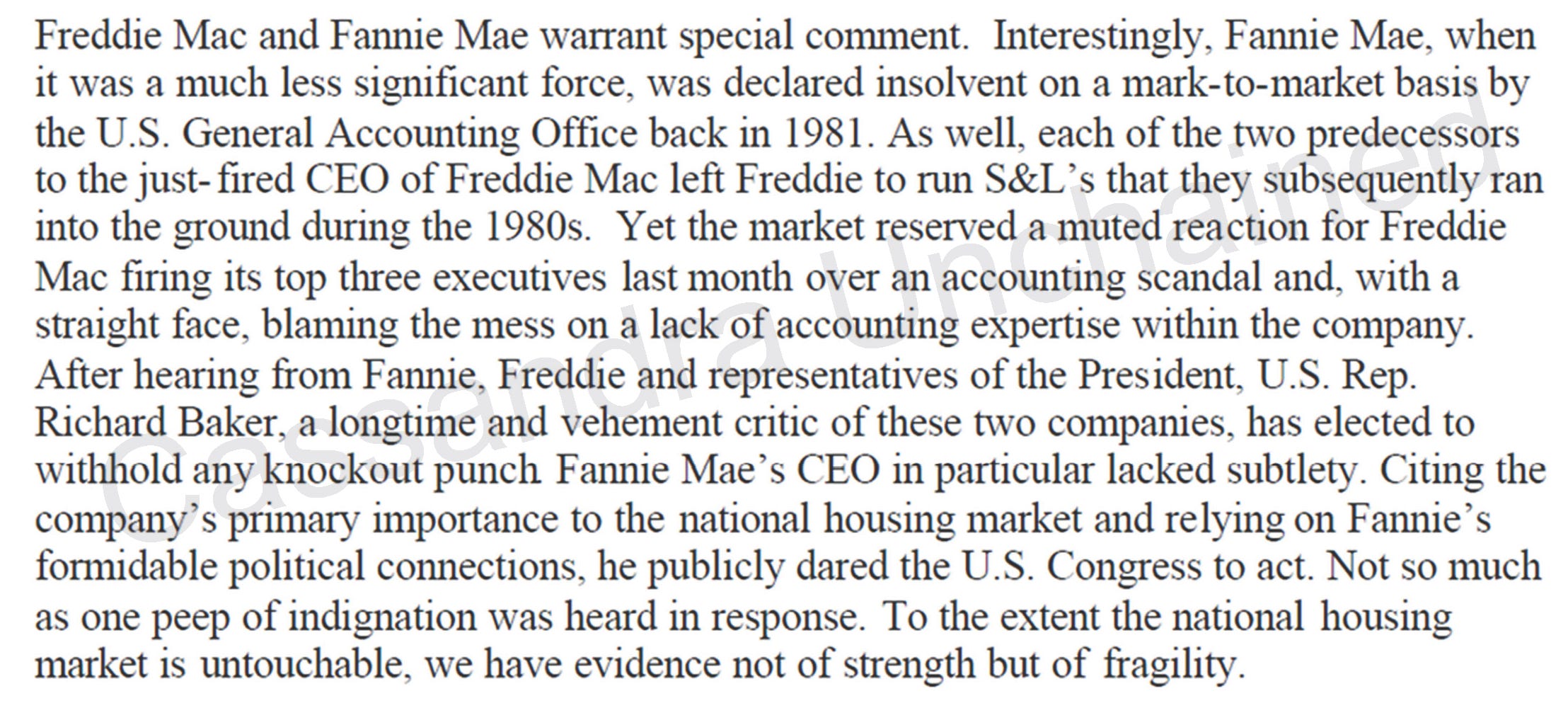
Allow me to introduce you to the Toxic Twins – Fannie Mae and Freddie Mac. Seventeen years ago, the government absorbed the mortgage giants to save them from insolvency.
There is no indication any clarity regarding the ERCF will happen along with the EO report delivery, which is any day now. Moreover, this report will not necessarily be public and may already be in the Administration’s hands.
The SPS decision is in the hands of the Treasury/the President. Perhaps the EO Report will catalyze movement on the ERCF directly or the SPS indirectly, Or, perhaps not.
Whatever the eventual outcome, bulls (who believe the probability of SPS affirmation to be low) must monitor the quality of the underlying business, especially as the executive order to offer more loans raises the prospect of easing credit standards, something we have seen before and something both the Twins and their PTSD know well.
The FHFA Order
On November 24, 2025, Trump ordered the Federal Housing Finance Agency (FHFA) to raise the 2026 multifamily loan-purchase caps/targets to $176 billion combined across the two GSEs. This is roughly a 20% increase from $146 billion.
The existing 50% mission-driven affordable-housing minimum was left unchanged.
They were also directed to target fulfillment of those caps even if the overall market for such loans is shrinking.
Before the FHFA Order, the lending environment was tightening and, specifically, retreating from multifamily.
Leverage, floating rate loans, and loan volume were all falling. These trends existed despite falling mortgage rates into the end of 2025.
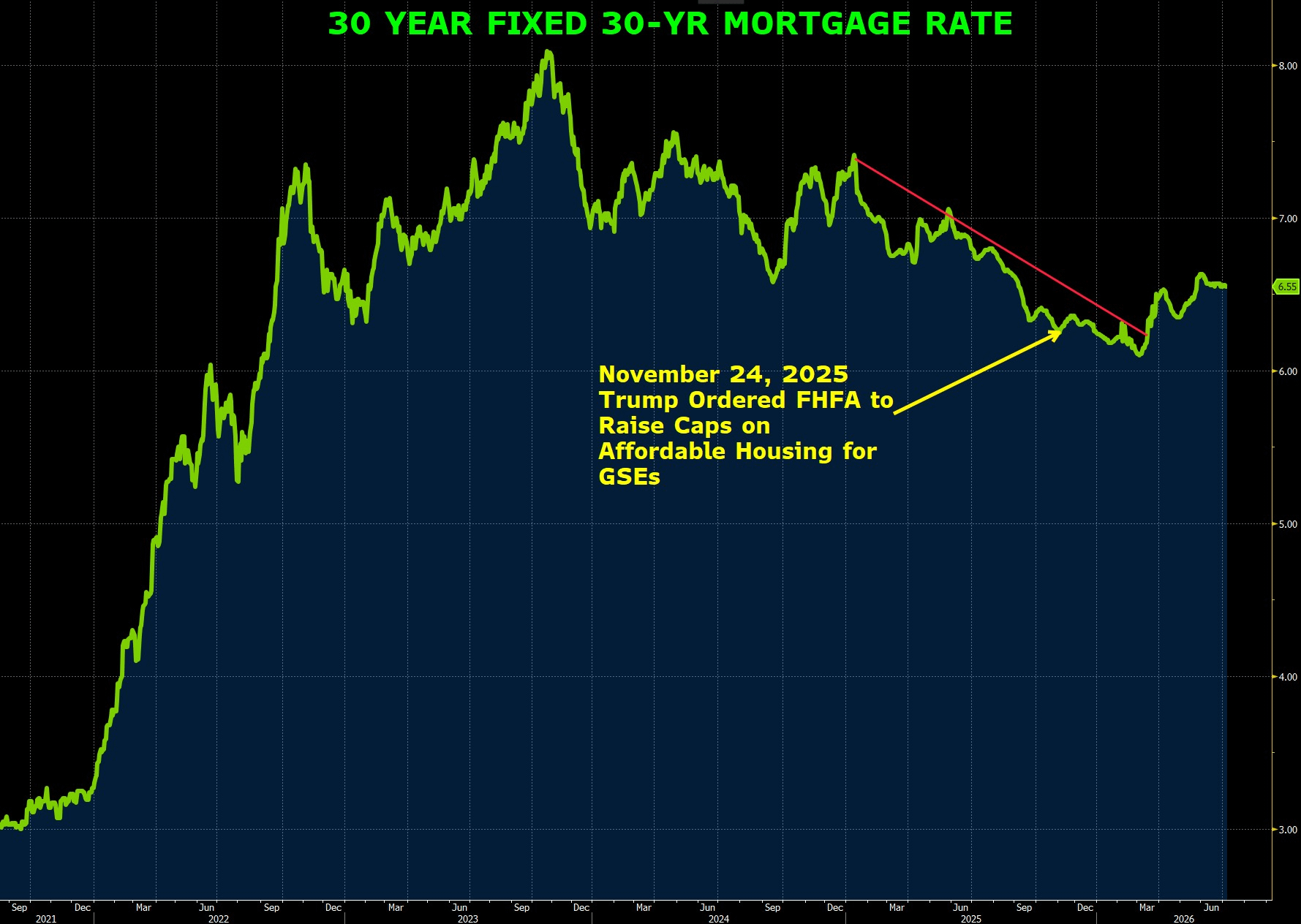
The FHFA directive has been playing out against warning signs in housing as rates have been rising since late 2025. The first quarter of 2026 is the first full quarter for each GSE under the new directive.
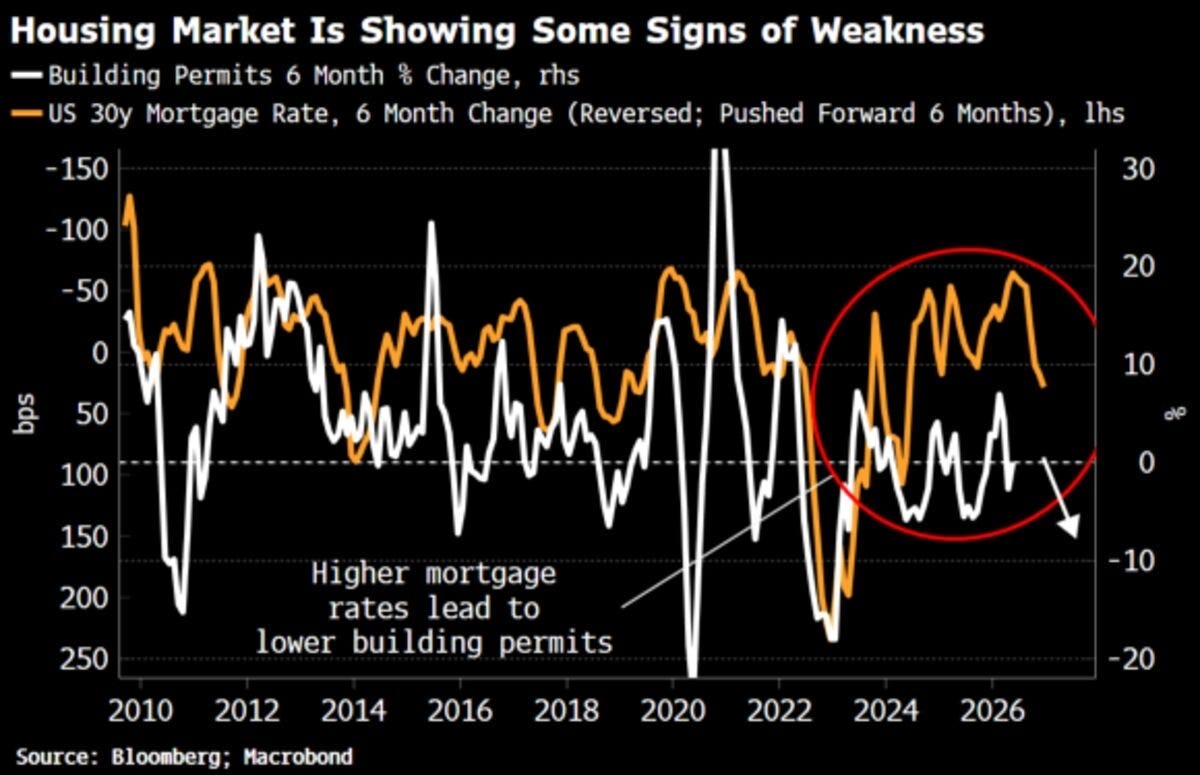
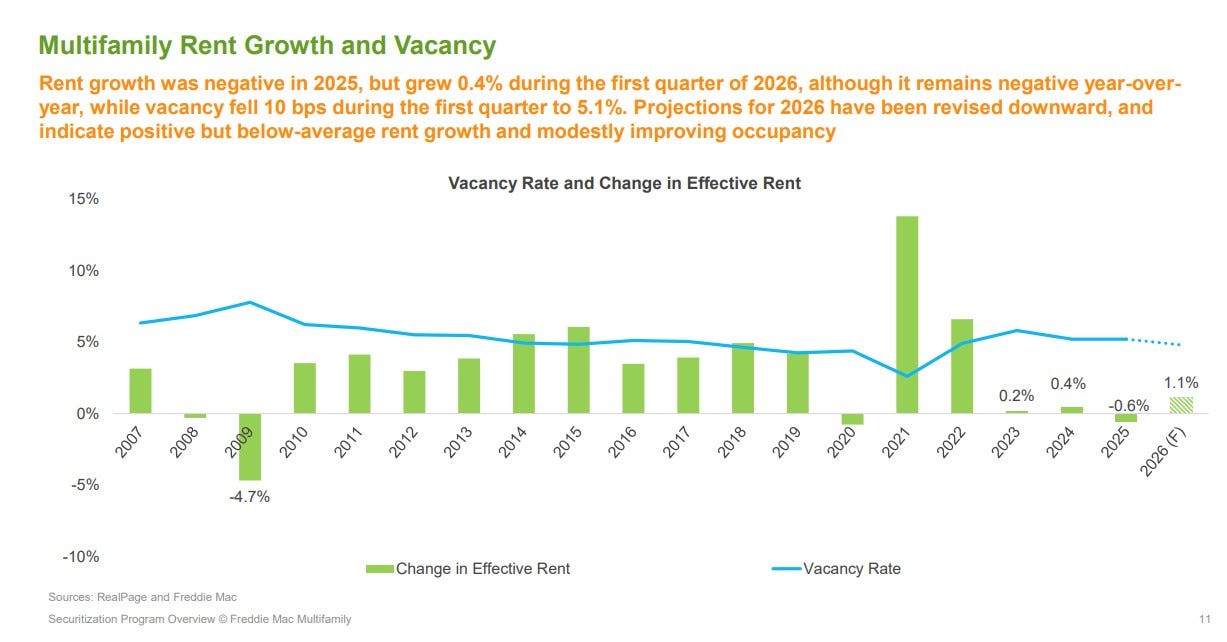
2026 1st Quarter data show multifamily vacancy still up at 5.1 % while effective rents remained negative year-over-year.
Freddie’s 2026 forecast calls for below-average rent growth and continued elevated vacancy.
Housing in the United States
Vacancy rates have been elvated in part because the apartment boom, which has been so lucrative to many investors the last fifteen years, has overshot. For the first time in history, over 1 million apartment units were under construction in July 2023. This is the highest since 901,000 in 1973.