Big Tech 4 plan $650B in 2026 AI capex vs Anthropic's ~$30B annualized revenue — the gap is the debate
I don't think we're moving fast enough. There is no AI bubble. The opposite is true.
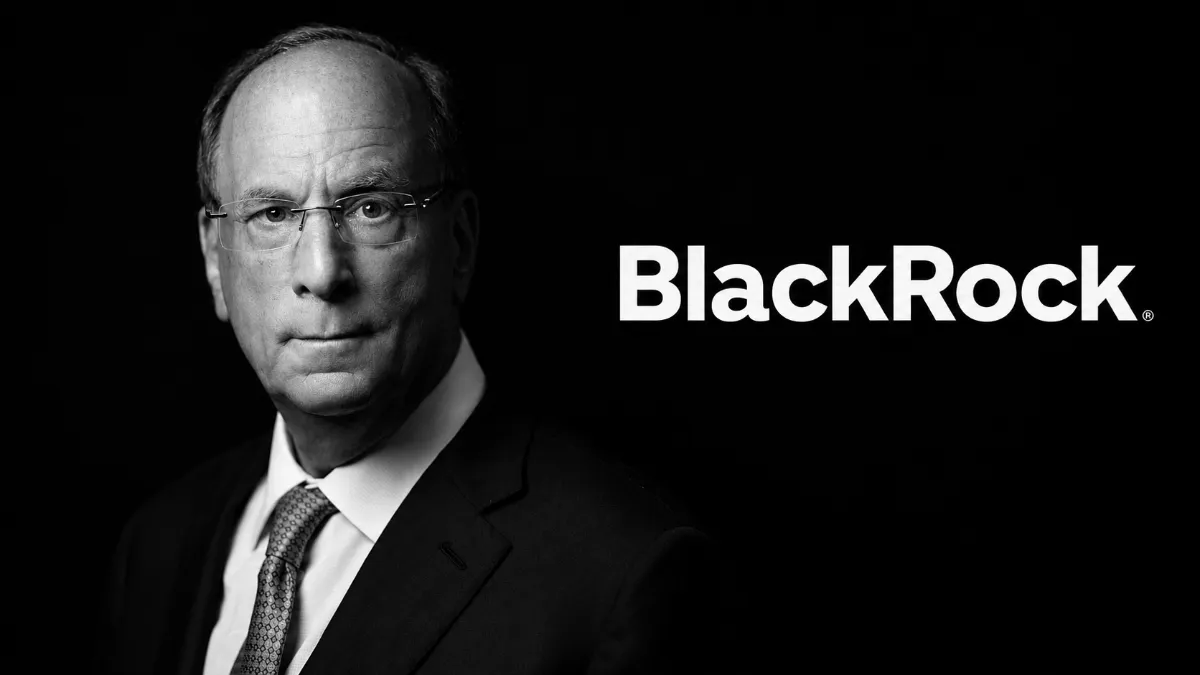
Larry Fink, CEO, BlackRock
That was BlackRock (BLK) CEO Larry Fink at the Milken Institute Global Conference on May 5. From the same stage, he announced that BlackRock has formed an undisclosed partnership with a hyperscaler to scale AI infrastructure — including data-center construction and energy investment. The hyperscaler's name was not disclosed.
Fink's track record — money, not just words
Fink's AI optimism isn't talk. In 2024, BlackRock acquired Global Infrastructure Partners for $12.5B. In March 2025, BlackRock, Global Infrastructure Partners, MGX, Microsoft (MSFT), Nvidia, and xAI jointly formed an AI data-center investment partnership.
AI infrastructure will drive economic growth in every industry, in every region.
Satya Nadella, Microsoft CEO (March 2025)
The partnership Fink announced this week sits in the same arc.
The bubble debate — capex versus revenue
On the other side of Fink's "no bubble" call sit the numbers.
- Alphabet, Amazon, Meta, Microsoft — combined 2026 AI capex plans above $650B
- OpenAI annualized revenue ~$25B
- Anthropic annualized revenue above $30B
The gap between investment and revenue is the core of the bubble argument.
Vanderbilt Policy Accelerator's Ganesh Sitaraman and Asad Ramzanali made the case in TIME. Big Tech is funding this not just with cash but through equity stakes, corporate bonds, and asset-backed securities.
If you use a bank, hold a 401(k), or otherwise depend on the financial system, you're already carrying part of this risk.
Sitaraman & Ramzanali, TIME
Why Fink says it's not a bubble
Fink's logic is undersupply. Bubbles burst from oversupply. Right now AI infrastructure is undersupplied — data-center power demand is starting to exceed existing grid capacity, and GPU supply still lags demand.
His "the world is not moving fast enough" line lands here. When demand is running ahead of infrastructure, investment is necessity, not excess — that's the framing.
Your 401(k) is already betting on AI
Why this debate matters to retail investors: US 401(k) plans, life insurance pools, pension funds, and banks are all wired into the funding pipeline for this AI cycle.
The bubble side's warning is that losses on this scale of AI investment can be transmitted to households via the financial system. Fink's counter is that infrastructure investment is real-asset based and is fundamentally different from the dotcom bubble.
What this says
Whether or not it's a bubble is, ultimately, a timing question. The crux: how long does AI infrastructure investment take to produce real revenue.
The dotcom bubble didn't get the internet wrong — it got the timing wrong. Fink argues this time is different because the base layer is real-asset infrastructure (data centers, energy) and demand runs ahead of supply. But if the capex-versus-revenue gap doesn't close, that conviction goes on trial.