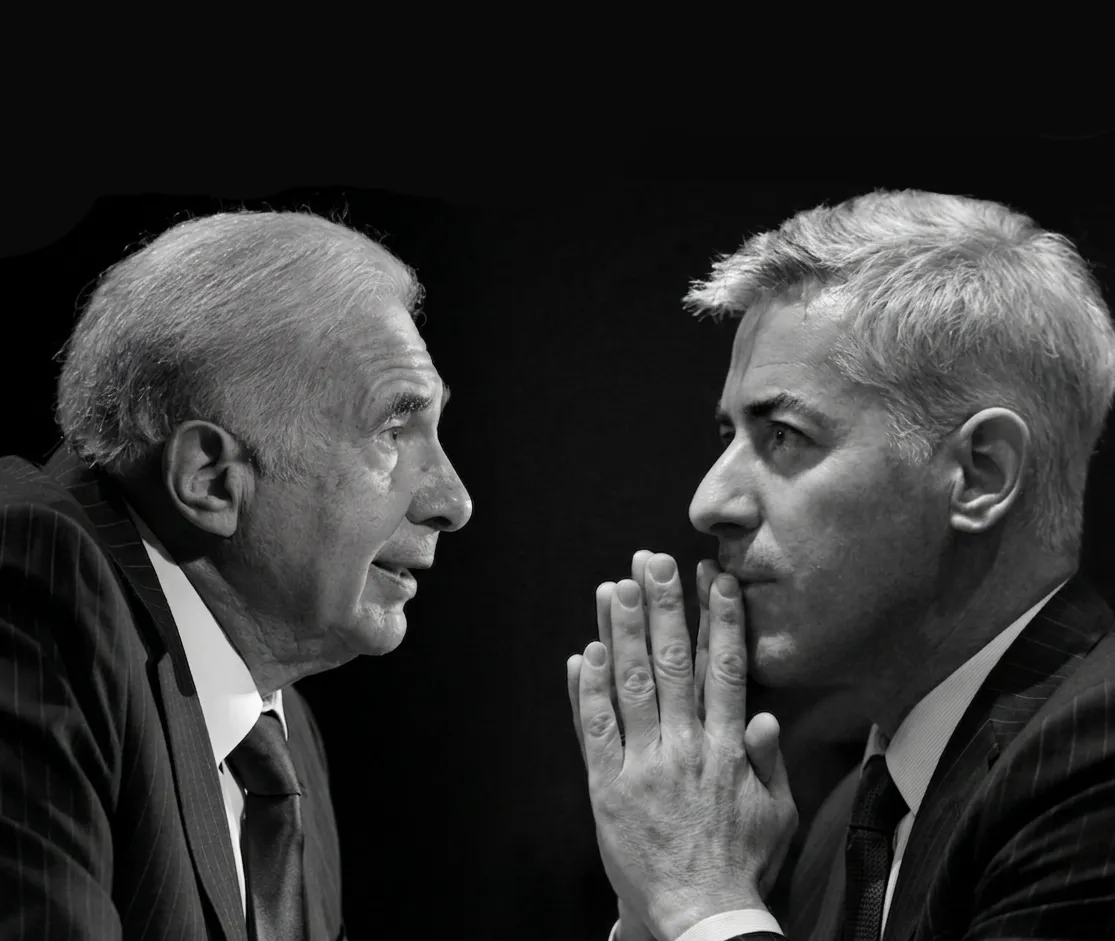

Carl Icahn's Q1 2026 13F filing revealed a full liquidation of his SWX position, worth approximately $483M. There were zero new buys during the quarter, and he maintained his concentrated structure of $8.6B in AUM spread across just 12 holdings. IEP and CVI alone account for a combined 76.5% of the total portfolio.

Top 5 Holdings — Q1 2026
- IEP: $4.1B (48.5%)
- CVI: $2.4B (28.0%)
- UAN: $527M (6.2%)
- CTRI: $419M (4.9%)
- IFF: $310M (3.6%)
Q1 2026 Key Portfolio Moves
The most significant change this quarter was the complete liquidation of SWX. After holding approximately $483M in the position through the prior quarter, Icahn exited entirely, further consolidating capital into his existing core positions. CVI was increased by 1 percentage point to 28.0% ($2.4B), and SD was modestly added (+1%) to $81M. In contrast, SATS was cut by 58% to $164M, marking a sharp reduction in his satellite communications exposure.
- SWX: Full exit $483M → $0 — Utility position fully liquidated, further deepening energy concentration
- CVI: Position increased +1% ($2.4B) — Reaffirms conviction in refining & energy as a core bet
- SATS: Position cut -58% ($164M) — Significant reduction in satellite communications, signaling risk reduction
- SD: Position increased +1% ($81M) — Small but signals added conviction in the energy sector
The overall portfolio structure remains defined by extreme concentration. IEP ($4.1B, 48.5%) and CVI ($2.4B, 28.0%) alone account for more than three-quarters of total assets, followed by UAN ($527M, 6.2%) and CTRI ($419M, 4.9%). The tilt toward energy and refining continues, and the slim 12-holding count reflects Icahn's unchanged high-conviction, high-concentration investment philosophy.
Outlook: Energy Concentration Could Tighten Further
Carl Icahn has opted to deepen existing energy and refining positions without initiating any new names. The liquidity freed from the SWX liquidation could potentially be redeployed into core holdings such as IEP and CVI. With the portfolio already pared down to just 12 positions, any further exits would push concentration even higher. Energy sector dynamics and refining margin trends will be the critical variables determining overall portfolio performance going forward.