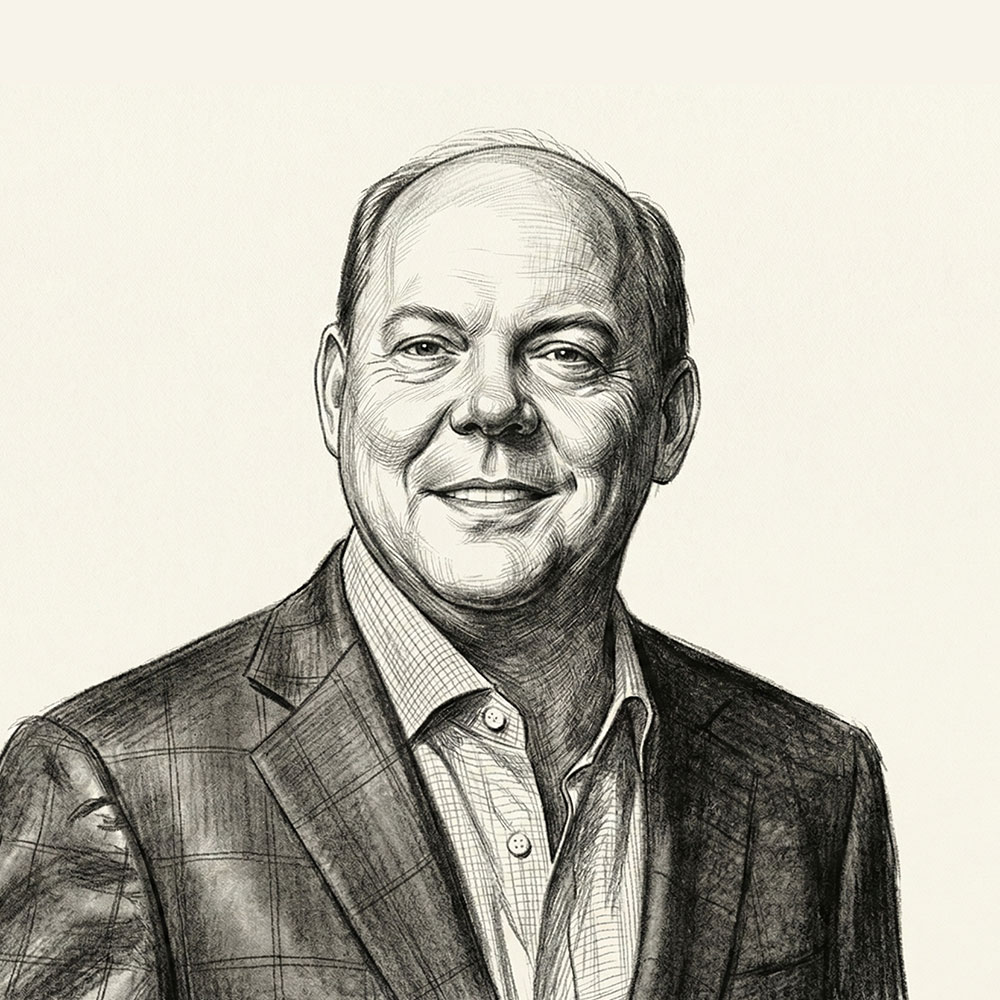
Whirlpool CEO Says Consumer Spending Now Looks Like the 2008 Financial Crisis — Appliance Demand Falls 7%, Dividend Suspended
Whirlpool CEO Marc Bitzer warned that appliance demand in Q1 2026 is "similar to the global financial crisis," as revenue fell 9.6%, the dividend was suspended, and the stock crashed 12%. Kraft Heinz and Planet Fitness confirmed the same consumer distress on the same earnings day.
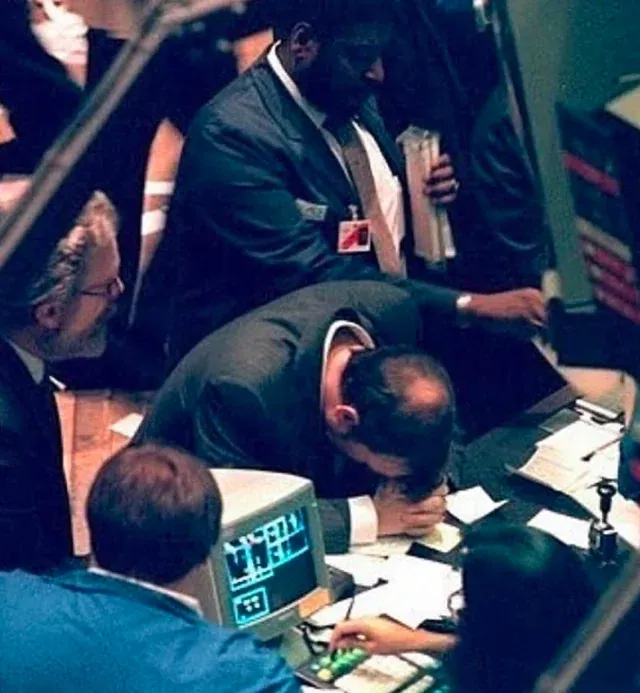
- Whirlpool's CEO compared Q1 2026 appliance demand collapse to the 2008 financial crisis, as revenue fell 9.6% and the dividend was suspended
- Corroborated by Kraft Heinz and Planet Fitness on the same earnings day, the signal points to a structural lower-income consumer breakdown
Refrigerators and washing machines are not selling. Whirlpool CEO Marc Bitzer told investors Q1 2026 demand "is similar to what we observed during the global financial crisis and even higher than during other recessionary periods." Appliance demand fell 7%, the stock crashed 12%, and Kraft Heinz and Planet Fitness flashed the same warning on the same day.
Q1 Results: Revenue Down 9.6%, Dividend Suspended
Whirlpool reported Q1 2026 revenue of $3.27 billion, down 9.6% year over year. North America segment EBIT cratered 96% to just $6 million. Appliance demand fell 7%, EPS came in at -$0.56, and the stock dropped 12% on the news — now down 32.3% year-to-date.
Management suspended the common dividend, announced the largest price increase in over a decade, and targeted more than $900 million in debt reduction. The company guided for full-year 2026 net sales of roughly $15 billion with ongoing EPS of $3.00 to $3.50.
CEO's Warning: "This Looks Like 2008"
"This level of industry decline is similar to what we have observed during the global financial crisis and even higher than during other recessionary periods."
Marc Bitzer / Whirlpool CEO
That is one of the bluntest recession comparisons of this earnings cycle, from the CEO of the only major U.S.-based appliance manufacturer. University of Michigan Consumer Sentiment hit 53.3 in March 2026 — well below the 60 level historically associated with recession conditions.
Kraft Heinz and Planet Fitness: "The Consumer Is Cracking"
Kraft Heinz (KHC) cited "persistently low consumer sentiment" and its CEO described lower-income households as "literally running out of money at the end of the month." Q1 organic sales fell 0.4%, with a full-year organic decline of 1.5%–3.5% guided.
Planet Fitness (PLNT) had its worst single day on record — stock down 31%, now down 59.4% year-to-date. Management paused a planned Black Card price hike after membership growth came in far below expectations. Dine Brands (Applebee's, IHOP) and McDonald's (MCD) flashed similar lower-income strain.
The Split-Screen Economy: Disney and Uber Hold Up
Not every company is suffering. Disney (DIS) and Uber (UBER) are seeing stronger engagement from higher-income cohorts. Home Depot (HD), where CEO Ted Decker flagged "continued customer engagement across smaller projects," is holding up better — shares down only 5.6% YTD.
- Lower income: deferring appliances, canceling gym memberships, skipping fast food
- Higher income: Disney theme parks, Uber premium rides, services spending up
- Durable goods collapse: appliance demand -7% signals multi-year purchase deferrals
The Tariff Paradox: U.S. Manufacturing Wasn't Enough
Whirlpool was supposed to be a tariff winner — it makes 80% of its products in the U.S. Section 232 tariffs raised costs for imported appliances. But lower input costs only matter if customers walk through the door. With consumer sentiment at 53.3, the tariff protection created no demand. The total market shrank instead.
What Investors Should Watch
Durable goods demand is a leading economic indicator. When consumers defer refrigerators by 3–5 years, the same logic applies to cars, home renovation, and electronics. Whirlpool's 2008 comparison is not a single earnings miss — it is a warning about the entire U.S. consumer spending cycle.
The S&P 500 and Nasdaq are near all-time highs. But the corroboration across Whirlpool, Kraft Heinz, and Planet Fitness suggests half of American consumers are already living in a recessionary environment — a K-shaped economy that demands sector-specific stock selection over broad index exposure.
Frequently Asked Questions
What is Whirlpool and why does its earnings report matter?
Whirlpool (NYSE: WHR) is the only major U.S.-based maker of kitchen and laundry appliances, with brands including Maytag, KitchenAid, and Amana. It manufactures roughly 80% of its products domestically. When Whirlpool signals consumer weakness, it reflects the state of an essential durable goods category that consumers can delay but not ignore forever.
Why is appliance demand a recession indicator?
Refrigerators and washing machines are essential but deferrable purchases — consumers can delay them for years. When demand for these basics drops sharply, it typically signals a broader pullback across cars, home renovation, and electronics. The durable goods cycle is one of the most reliable early recession indicators.
How bad is a 53.3 University of Michigan Consumer Sentiment reading?
Readings below 60 are historically associated with recession conditions. The 53.3 reading in March 2026 is near 2008-2009 financial crisis levels and lower than most post-pandemic readings. It suggests consumers are already behaving as if a recession has arrived, regardless of official GDP data.
Is this just a Whirlpool problem or a broader trend?
Multiple companies confirmed the same trend in the same earnings cycle: Kraft Heinz flagged lower-income households "running out of money," Planet Fitness had its worst day on record, and McDonald's and Dine Brands signaled lower-income strain. The corroboration across sectors makes this a structural consumer weakness signal, not a single-company story.
What does the K-shaped economy mean for investors?
Disney, Uber, and Home Depot continue to hold up — driven by higher-income spending. That means the consumer stress is concentrated in lower-income cohorts. For investors, this suggests avoiding broad consumer discretionary ETFs and instead focusing on either premium consumer brands or essential tech infrastructure that serves higher-income demographics.

Sunday's SEC 8-K Earnings Filings Quiet, but Royal Gold Doubles Net Income and Launches Buyback
 RGLD
RGLDVeritone Earnings Shock Sends Shares Down 23%...York Space Systems Among 25 US Companies Filing SEC 8-K Earnings Reports
 YSS
YSS CODX
CODX IPWR+26
Applied Materials Posts Record Q3 Revenue of $9.1 Billion, All-Time High EPS
 AMAT
AMATWall Street's Defining Moments
See more



Sunday's SEC 8-K Earnings Filings Quiet, but Royal Gold Doubles Net Income and Launches Buyback
RGLDVeritone Earnings Shock Sends Shares Down 23%...York Space Systems Among 25 US Companies Filing SEC 8-K Earnings Reports
YSSCODXIPWR+26Applied Materials Posts Record Q3 Revenue of $9.1 Billion, All-Time High EPS
AMATSmart Money Briefing
Weekly summaries of Wall Street guru moves and crypto whale activity.