
Warsh Clears Hearing, But Markets Remain Uneasy Over Fed Independence and Confirmation Risks
1. Kevin Warsh emphasized Fed independence and data-driven policy at his Senate hearing, but markets are more focused on confirmation delays and political risks. 2. Sen. Tom Tillis's opposition and the DOJ investigation tied to Powell have emerged as the biggest wildcards in Warsh's confirmation. 3. Investors are less concerned with Warsh's policy stance and more focused on whether he can credibly dispel fears over Fed independence.
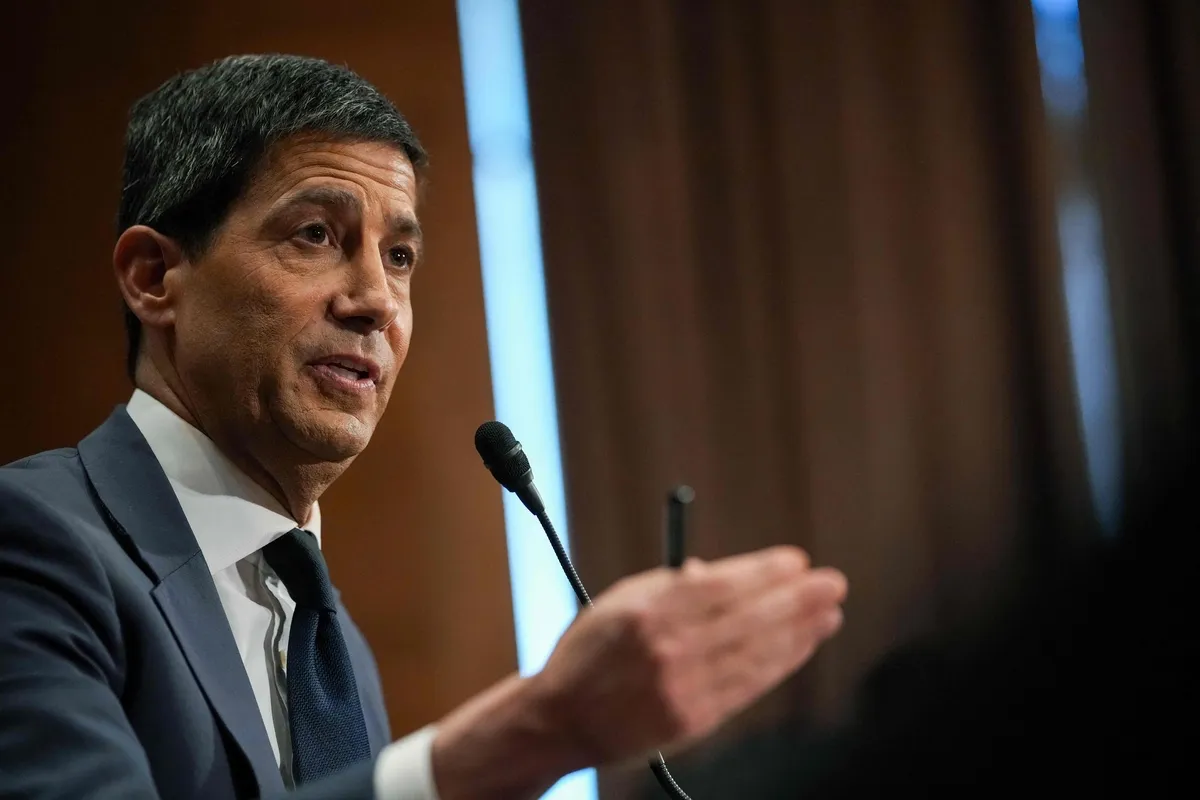
Federal Reserve Chair nominee Kevin Warsh delivered a measured performance at his Senate Banking Committee hearing on April 21, but markets appear more attuned to uncertainty than relief. Investors are less focused on Warsh's monetary policy outlook and more on whether threats to Fed independence, confirmation delays, and political friction could amplify market volatility.
At the hearing, Warsh emphasized Fed independence, data-driven rate decisions, balance sheet reduction, and what he described as a 'regime change' in inflation management. According to Reuters, he also sought to distance himself from political influence during the vetting process, framing inflation stabilization and the restoration of central bank credibility as his top priorities.
The Biggest Confirmation Risk Is Political — Sen. Tillis Emerges as a Bottleneck
The variable markets are watching most closely, however, is not policy itself but confirmation uncertainty. According to reporting from TheStreet and Reuters, Republican Sen. Tom Tillis has maintained that he will block Warsh's confirmation unless the DOJ investigation surrounding Fed Chair Jerome Powell is resolved. This has fueled growing speculation that Warsh's path to the Fed could take longer than initially expected.
For markets, this uncertainty is far more than a political sideshow. If the timing of a Fed chair transition becomes fluid, the forward rate path, the pace of balance sheet runoff, and inflation response signals all become opaque. That is why investors are tracking procedural risks just as closely as Warsh's personal policy leanings. This reflects a synthesis of publicly available reporting.
Market Reaction Is Split — 'It's Not a Shock, It's the Anxiety'
Investor assessments are sharply divided. Market participants cited by Reuters viewed Warsh's intent to return the Fed to its core mandate as a positive, while also flagging that the timing of future rate cuts and the manner of balance sheet reduction could introduce new headwinds. Some see Warsh as likely to lean toward rate cuts in the back half of the year, while others caution that political pressure could deepen skepticism around Fed independence.
Ultimately, the market's central concern is not whether Warsh is a dove or a hawk — it's whether he can credibly appear independent. With Trump continuing to press for rate cuts, any move toward earlier-than-expected easing by Warsh risks being read not as a pro-growth signal, but as a sign that the Fed's independence has been compromised.
Democrats Train Fire on Warsh's Asset Holdings
Warsh's personal wealth also became a flashpoint at the hearing. According to Reuters, Democratic senators challenged his holdings of over $100 million, raising pointed concerns about conflicts of interest. Warsh responded that he would divest his major assets upon confirmation to comply with ethics requirements.
This issue goes beyond optics — it has direct implications for confirmation timeline risk, making it a market concern as well. Some analysts believe that once a clear divestiture plan is in place and political sparring subsides, confirmation odds could improve. Until then, however, the ongoing noise is expected to continue feeding market volatility.
Clearing the Hearing Is Less Important Than Restoring Credibility
In sum, the Warsh hearing left markets with two key questions rather than answers. First, can he genuinely function as an independent Fed chair insulated from political influence? Second, can confirmation delays and political conflict be contained without undermining monetary policy credibility? For now, markets are not rushing to label Warsh's nomination as a net positive or negative — what matters more is the process by which he secures legitimacy, and how that process unfolds.
 EURUSD
Frequently Asked Questions
톰 틸리스가 인준을 막을 수 있나요?
공화당 상원의원 톰 틸리스는 파월 의장 관련 법무부 수사가 해소되지 않으면 워시 인준을 막겠다는 입장입니다. 이 변수가 해소되지 않으면 워시의 연준 입성이 예상보다 늦어질 수 있다는 관측이 큽니다.
워시 청문회가 시장에 호재인가요 악재인가요?
단순 호재·악재로 규정하기 어렵습니다. 워시가 본래 책무로 복귀하려는 점은 긍정적이지만, 인준 지연·자산 처분·정치 충돌이 단기 변동성을 키울 수 있어 시장은 절차적 리스크를 더 주시하고 있습니다.
워시는 비둘기인가요 매파인가요?
현재까지는 어느 쪽으로도 단정하기 어렵습니다. 일부는 올해 후반 금리 인하 쪽으로 기울 수 있다고 보지만, 트럼프 압박 속 이른 완화는 경기 부양이 아니라 Fed 독립성 훼손 신호로 읽힐 위험이 있습니다.
워시의 1억 달러 자산이 왜 문제가 되나요?
민주당이 이해상충 우려를 집중 제기했고, 워시는 인준 시 자산 매각으로 윤리 규정에 맞추겠다고 밝혔습니다. 자산 처분 절차가 길어지면 인준 일정 자체가 지연될 수 있어 시장 변동성 요인이 됩니다.

ExxonMobil Posts 4-Year-High Profit but Misses Estimates as AbbVie, Colgate Among 23 Companies Report Earnings
 XOM
XOM LIN
LIN LYB+25
SEC Receives 24 Earnings Filings, 14 Regional Banks Report en Masse — Newmont, Nasdaq, Snap-on Join In
 ASPS
ASPS PKG
PKG BPRN+20
Over Half of America's Largest Cities See Home Price Declines — Case-Shiller Hits Weakest Since July 2023
 DHI
DHI LEN
LEN EQR+2
EQR+2Wall Street's Defining Moments
See more


Sunday's SEC 8-K Earnings Filings Quiet, but Royal Gold Doubles Net Income and Launches Buyback
 RGLD
RGLDVeritone Earnings Shock Sends Shares Down 23%...York Space Systems Among 25 US Companies Filing SEC 8-K Earnings Reports
 YSS
YSS CODX
CODX IPWR+26
Applied Materials Posts Record Q3 Revenue of $9.1 Billion, All-Time High EPS
 AMAT
AMATSmart Money Briefing
Weekly summaries of Wall Street guru moves and crypto whale activity.