CVS Health Q2 Revenue Hits $106.1B, Net Income Triples, Raises Full-Year Outlook
CVS Health reported second-quarter 2026 revenue of $106.1 billion, up 7.3% year-over-year. Net income nearly tripled to $3.0 billion, and the company raised its full-year profit outlook.
- CVS Health's Q2 revenue rose 7.3% to $106.1 billion, and net income nearly tripled
- The company raised its full-year 2026 profit and cash flow guidance
CVS Health posted second-quarter fiscal 2026 revenue of $106.1 billion, topping market expectations, according to an SEC Form 8-K filing.
📊 Price at Time of Writing (Aug 5, 2026, 9:02 PM KST)
$104.42 ▼ -0.90%
Q2 Results at a Glance
CVS Health's second-quarter revenue and profit both rose sharply. Improved medical cost management in the Health Care Benefits segment was the main driver. The absence of an $833 million litigation reserve recorded in the year-ago quarter also boosted operating income.
- Revenue: $106.1 billion, up 7.3% year-over-year
- GAAP EPS: $2.31, sharply up from $0.80 a year earlier
- Adjusted EPS (excluding one-time items): $2.58, up from $1.81 a year earlier
- Operating income: $4.7 billion, up 97.5% year-over-year
- Adjusted operating income (excluding one-time items): $5.2 billion, up 35.4% year-over-year
- Net income: $3.0 billion, nearly triple the year-ago figure
- First-half operating cash flow: $10.6 billion
Outlook
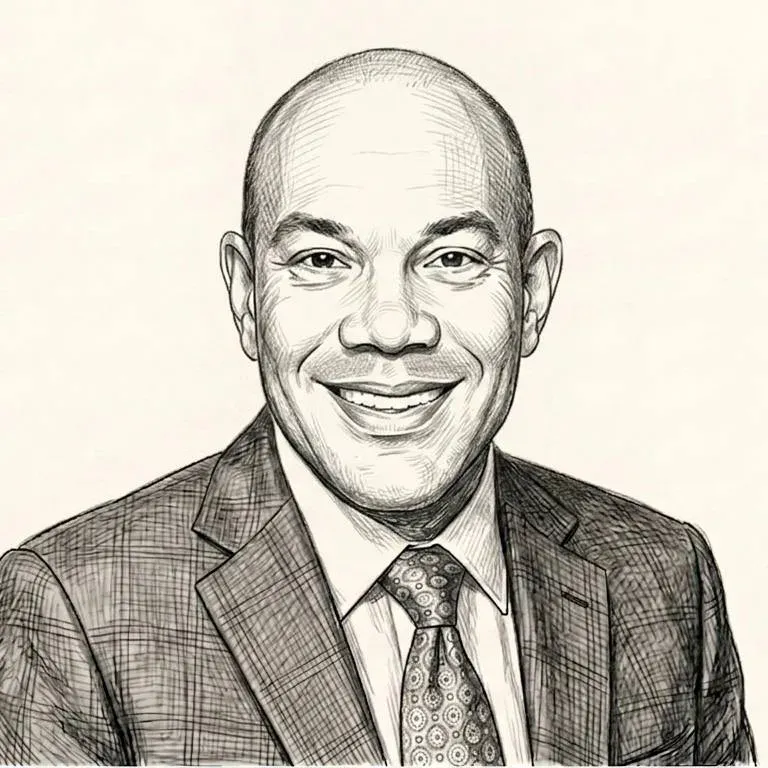
CVS Health raised its full-year 2026 guidance. The company lifted its GAAP EPS forecast to a range of $6.84–$7.04 from $6.24–$6.44, and its adjusted EPS forecast to $7.90–$8.10 from $7.30–$7.50. Its operating cash flow outlook was raised to at least $11.5 billion from at least $9.5 billion. The company attributed the upgrade to improved performance in its Health Care Benefits and Pharmacy & Consumer Wellness segments, while cautioning that it remains watchful of rising medical costs and macroeconomic factors for the rest of the year. David Joyner, CVS Health's chairman and CEO, said the company is "delivering strong results through technology-enabled care experiences."
Market Reaction
As of 9:02 p.m. KST on Aug. 5, CVS Health shares traded at $104.42, down 0.90% from the previous close. The Wall Street Journal reported that CVS Health raised its outlook as it began a GLP-1 (obesity and diabetes treatment) partnership with Eli Lilly. Reuters attributed the raised annual profit guidance to improved prescription drug sales. Investor's Business Daily (IBD) noted that the stock is nearing a technical buy point following the earnings report. GuruFocus reported that the quarter's EPS beat market expectations.
Segment Breakdown
- Health Care Benefits segment revenue: $37.5 billion, up 3.5% year-over-year
- Health Care Benefits segment adjusted operating income: $2.4 billion, up 85.5% year-over-year
- Medical Benefit Ratio (MBR, the share of premiums spent on actual medical costs): 87.4%, down from 89.9% a year earlier (a lower ratio indicates improved profitability)
This article was automatically generated based on the original SEC Form 8-K filing and international media reports, with the goal of delivering key data quickly following the announcement. Readers are advised to review the company's official filings before making trading decisions. Stock prices reflect the time of writing and may differ from current levels.
 CVS
CVSFrequently Asked Questions
What kind of company is CVS Health?
CVS Health is a healthcare company that operates the largest pharmacy chain in the U.S. and owns health insurer Aetna. It runs pharmacy, health insurance, and medical services businesses together.
Why did net income increase so sharply?
Medical cost management improved in the Health Care Benefits segment. The absence of an $833 million litigation reserve recorded a year earlier was also a major factor.
What guidance did the company provide?
CVS Health raised its full-year 2026 adjusted EPS guidance to $7.90–$8.10 from $7.30–$7.50. It also raised its operating cash flow outlook to at least $11.5 billion from at least $9.5 billion.
What is the Medical Benefit Ratio (MBR)?
It is the share of premiums collected by an insurer that is spent on actual medical costs. A lower ratio indicates better profitability for the insurer.

Sunday's SEC 8-K Earnings Filings Quiet, but Royal Gold Doubles Net Income and Launches Buyback
 RGLD
RGLDVeritone Earnings Shock Sends Shares Down 23%...York Space Systems Among 25 US Companies Filing SEC 8-K Earnings Reports
 YSS
YSS CODX
CODX IPWR+26
Applied Materials Posts Record Q3 Revenue of $9.1 Billion, All-Time High EPS
 AMAT
AMATWall Street's Defining Moments
See more
Sunday's SEC 8-K Earnings Filings Quiet, but Royal Gold Doubles Net Income and Launches Buyback
RGLDVeritone Earnings Shock Sends Shares Down 23%...York Space Systems Among 25 US Companies Filing SEC 8-K Earnings Reports
YSSCODXIPWR+26Applied Materials Posts Record Q3 Revenue of $9.1 Billion, All-Time High EPS
AMATSmart Money Briefing
Weekly summaries of Wall Street guru moves and crypto whale activity.