Musk vs. Altman: How OpenAI's Co-Founders Went From Besties to Bitter Rivals in Court
Elon Musk and Sam Altman co-founded OpenAI as a nonprofit in 2015. A decade later they faced each other in a federal courtroom in Oakland. Jury deliberations begin Monday in Musk's lawsuit claiming Altman violated OpenAI's founding nonprofit commitment. OpenAI is now valued at over $850 billion.
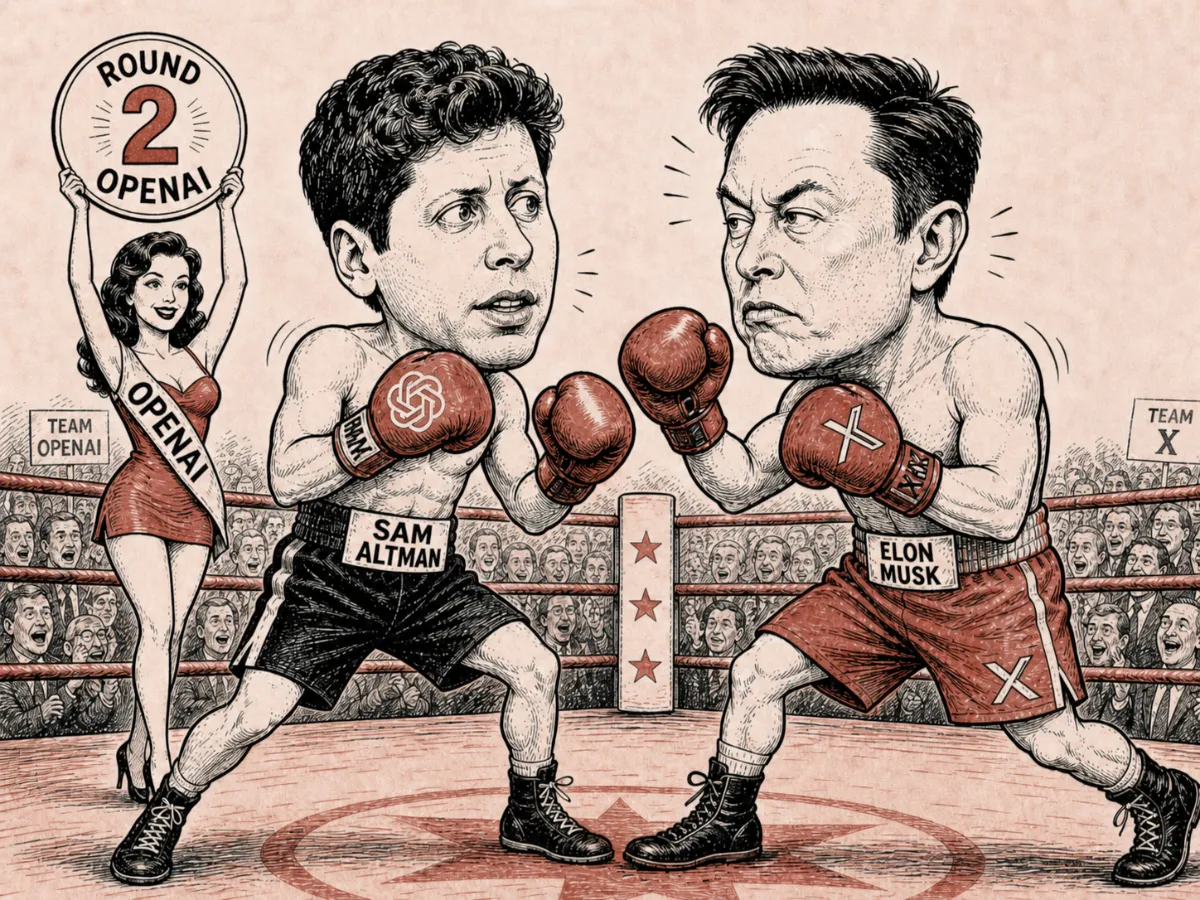
- Jury deliberations begin Monday in Musk's lawsuit against OpenAI after three weeks of trial
- The case traces a decade-long falling out from 2015 co-founders to bitter rivals
Elon Musk and Sam Altman co-founded OpenAI as a nonprofit in 2015. A decade later they sat in opposite corners of a federal courtroom in Oakland, California. Jury deliberations begin Monday.
Musk sued Altman and OpenAI in 2024, claiming they violated their founding commitment to remain a nonprofit and that Altman and Greg Brockman unjustly enriched themselves from what was originally a charitable organization. Closing arguments concluded last Thursday after three weeks of proceedings. OpenAI's valuation now exceeds $850 billion.
2015: Building a Nonprofit to Counter Google
It started with an email. In May 2015, Altman — then running Y Combinator — asked Musk whether a "Manhattan Project for AI" was worth pursuing. Musk said it was "probably worth a conversation." Their shared goal: prevent Google from establishing monopoly control over AI. OpenAI launched in December 2015, with Musk committing to fund the charity with up to $1 billion.
"This is a great team." — Musk in a November 2015 email to Altman, disclosed in court.
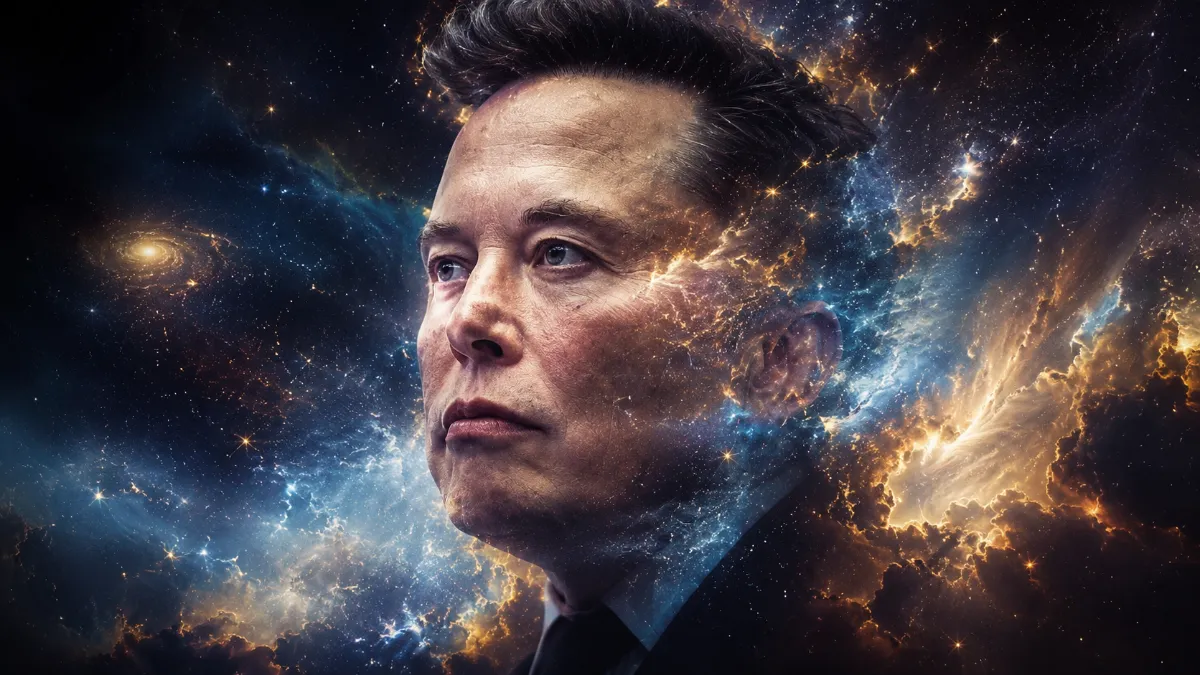
Elon Musk
2017: Control, Karpathy, and the Tesla Merger Pitch
By 2017 Musk was demanding as much as 90% ownership and the CEO role in a potential for-profit conversion. Altman and the co-founders declined — no single person should have unilateral control over AGI. In June 2017, Tesla poached Andrej Karpathy from OpenAI. Court filings revealed that Musk's close partner Shivon Zilis, then an OpenAI board member, celebrated the hire in text messages. Musk's final pitch: fold OpenAI into Tesla.
"Tesla is a car company, and it does not have the mission of OpenAI. I don't think we would have had the ability to ensure that the mission was acted on."
Sam Altman, court testimony
2018: Musk Exits. Actual Donations: $38 Million.
Musk left the OpenAI board in 2018. His total contributions to the nonprofit: approximately $38 million — far short of the $1 billion he had pledged. In a December 2018 email, he told OpenAI leadership: "My probability assessment of OpenAI being relevant to DeepMind/Google without a dramatic change in execution and resources is 0%. Not 1%."
2023: ChatGPT, $10B from Microsoft, and xAI
For five years after his exit, Musk rarely mentioned OpenAI. Altman even praised Musk on Twitter: "Betting against Elon is historically a mistake." Then ChatGPT launched in November 2022, Microsoft pumped in $10 billion, and the commercial AI race exploded. Musk turned on Altman publicly. Altman texted him:
"I don't think openai would have happened without you — and it really f---ing hurts when you publicly attack openai."
Sam Altman's text to Musk, disclosed in court
Musk incorporated xAI in March 2023 as a direct competitor and filed his lawsuit in 2024. SpaceX, which merged with xAI in February 2026, now carries a $1.25 trillion valuation and is expected to file its IPO prospectus as early as this week.
The Verdict the World Is Watching
"After weeks of damaging testimony, the public is left choosing between two dueling billionaires, each convinced he is the rightful steward of transformative technology. The answer most people will reach is: neither."
Stavros Gadinis, UC Berkeley Law School
Frequently Asked Questions
Why did Musk sue OpenAI?
Musk claims OpenAI violated its founding commitment to remain a nonprofit, and that Altman and Brockman unjustly enriched themselves from what was originally a charitable organization.
How much did Musk actually contribute to OpenAI?
He promised up to $1 billion but contributed approximately $38 million in total.
When will the trial verdict come?
The jury began deliberations on Monday, May 18, 2026. The timing of the verdict depends on how long deliberations take.
What is OpenAI's current valuation?
Over $850 billion. SpaceX, after merging with xAI in February 2026, is valued at $1.25 trillion.
Could the trial affect the SpaceX IPO?
SpaceX is expected to file its IPO prospectus as early as this week ahead of a potential record offering. An adverse verdict could add legal risk for Musk and potentially affect the IPO timeline.








Wall Street's Defining Moments
See more





Smart Money Briefing
Weekly summaries of Wall Street guru moves and crypto whale activity.