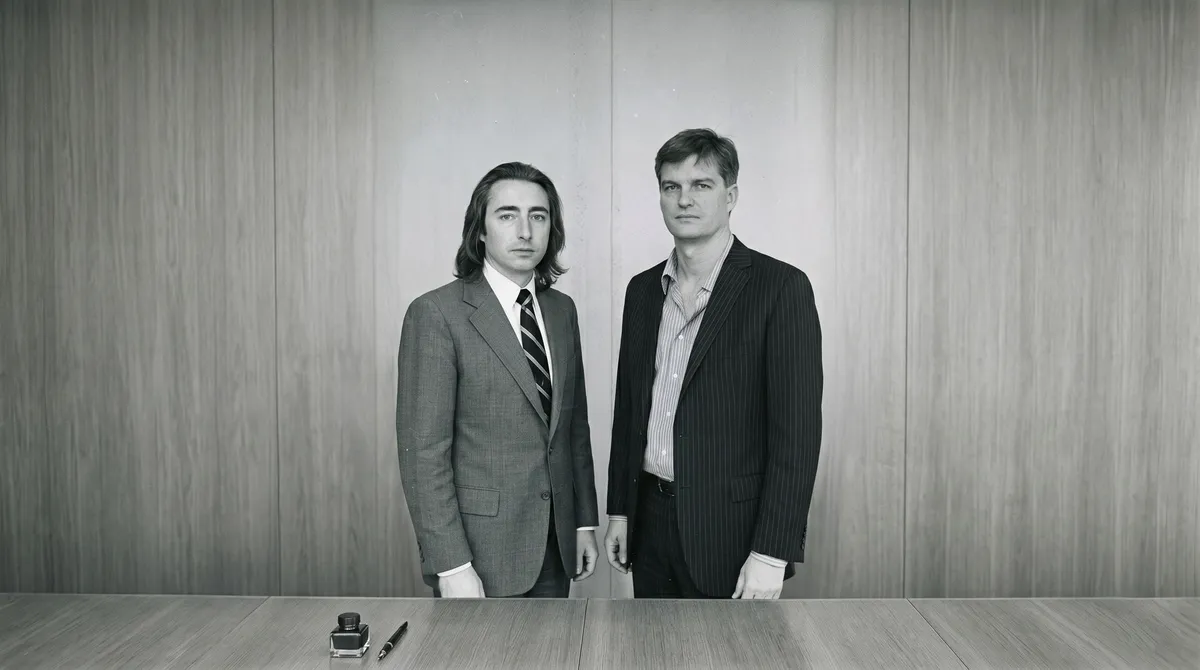
12 Years After the Big Short — Where Was Burry?
In 2008, Michael Burry disappeared with a 489% return. What was he doing for 12 years? Farmland, water rights, gold, GameStop, and Cassandra Unchained.
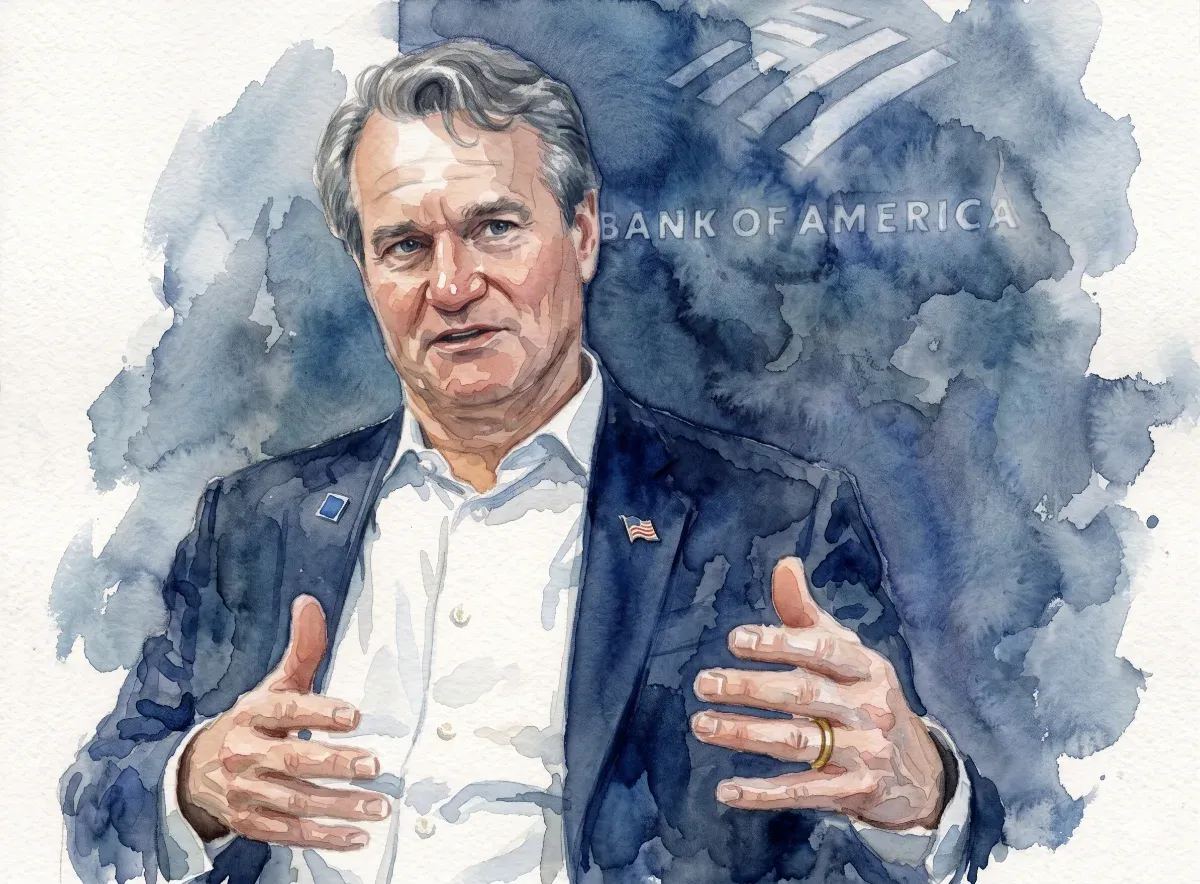
12 Years After the Big Short — Where Was Burry?
1. The Day After Victory
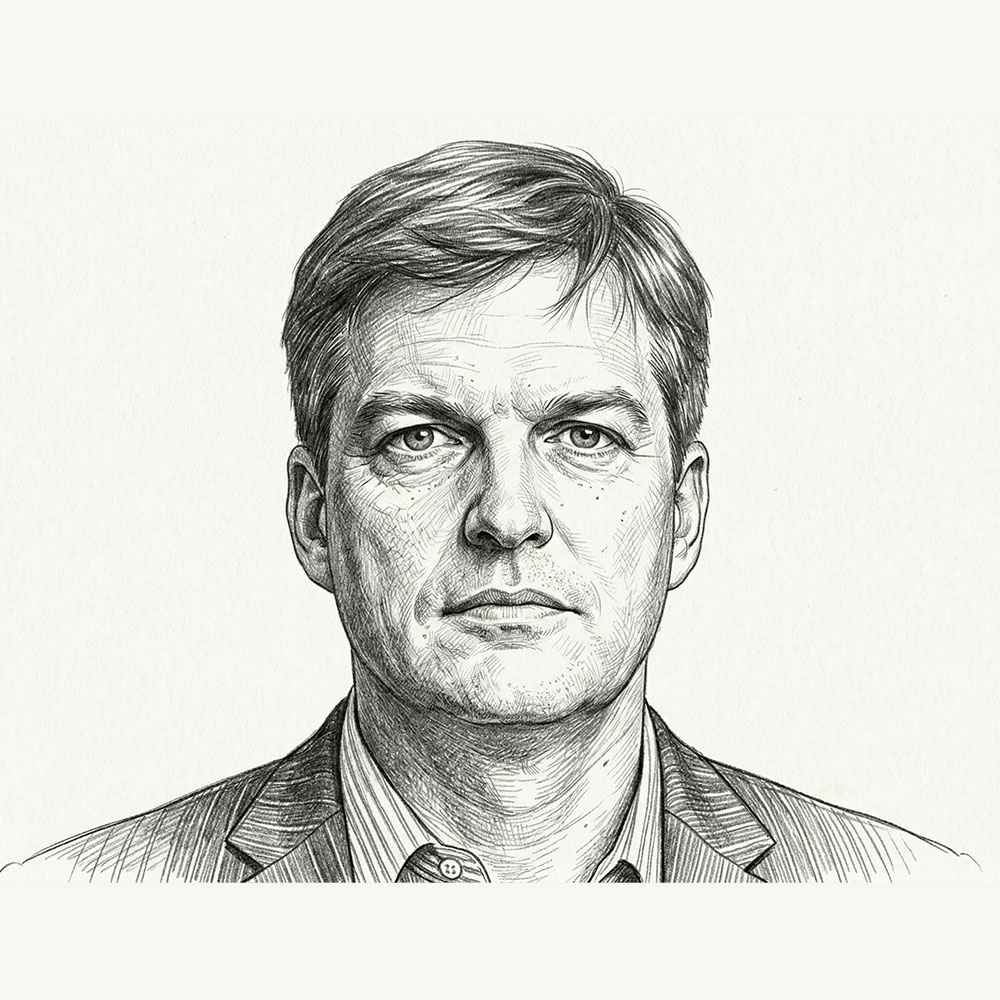
September 2008. Immediately after Lehman Brothers collapsed. Michael Burry was sitting alone in his office.
Five years of war were over. He had been right. The mortgage market had imploded, his CDS positions had produced explosive gains, and Scion Capital had posted results that would stand in the history of American hedge funds.
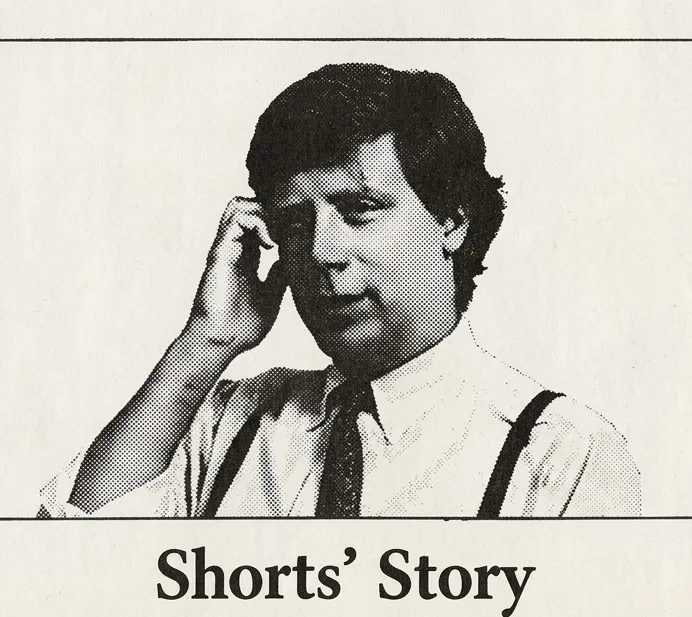
Investors now looked at him differently. The Wall Street that two years earlier had called him "a one-eyed madman" now wanted to hear his analysis. Goldman Sachs called. Morgan Stanley called. Family offices wanting to entrust their assets lined up.
He declined every one of those calls.
In late 2008, Burry announced the official closure of Scion Capital. He returned all investor capital. And he added one announcement.
"Going forward, I will not accept outside capital. I will not give interviews."
Wall Street didn't understand. He had just reached the summit — so why disappear? This was the moment he could explosively grow assets. Why stop?
Only he knew the reason.
2. What He Lost Over Five Years
On the surface, Scion's five years were a record of victory. But to Burry himself, those five years held a different meaning.
Investor redemption demands. Endless letters of complaint. "You are gambling with my retirement savings." He received messages like this every day. Nobody acknowledged that he was right.
IRS audit. An audit was opened on grounds that his fund management practices were suspicious. He had to submit accounting records daily.
Litigation threats. Some investors threatened legal action, claiming "you deceived us." Attorney fees accumulated every month.
Media mockery. Some outlets called him a "gambler." His family saw those articles.
And above all: isolation. For five years he barely spoke with his employees. With one eye replaced by a prosthetic, he had always found it hard to make eye contact with people, and as pressure accumulated, he retreated further into his office. When Scion reached its peak, there was no one around him.
One day in 2008, his wife said to him.
"You've been proven right. But you're not happy."
That was the real reason he closed Scion.
3. The First Silence (2009–2013)
After closing Scion, Burry left San Jose, California. He moved with his family to a quieter location. The exact place was never made public. Some said he went to a farming area in Northern California; others said Nevada.
There is almost no record of what he did during this period. One thing was clear: he only managed his own money. From his Scion profits, he already had over $100 million. He deployed that money slowly, quietly.
A few clues exist about what he invested in during this period.
Farmland. He began buying farmland in the American Midwest and California — land suited for corn, soybeans, and almonds.
Water rights. He secured water usage rights in the American West, anticipating long-term California droughts.
Gold. Inflation-hedge assets.
His logic was consistent. The U.S. government was printing money without limit to resolve the 2008 crisis. Quantitative Easing. He believed this would ultimately create inflation and asset bubbles. So he moved into hard assets that would hold their value even as currency purchasing power fell.
He appeared publicly once during this period. In April 2010, he published an op-ed in The New York Times titled "I Saw the Crisis Coming. Why Didn't the Fed?"
In the piece, he criticized the Federal Reserve and government regulators for ignoring external warnings. And he added one line.
"We are building another crisis. This time with government debt and quantitative easing."
When this article came out, Wall Street briefly remembered him — and then forgot him again. He went back into silence.
4. The Big Short Adaptation
In 2010, Michael Lewis published a book. Titled The Big Short. It was the story of the people who shorted the 2008 financial crisis.
One of the protagonists was Michael Burry. Lewis tracked him down to get an interview. Burry initially declined. But Lewis persisted, and Burry ultimately agreed to a few sessions.
One of Lewis's discoveries about Burry appeared in the book. Burry had Asperger syndrome.
This was something Burry himself only learned around the time the book was published. In the process of his son receiving an Asperger diagnosis, he realized he shared the same traits.
This discovery explained much about his life. The difficulty making eye contact with people. The extreme focus on a single subject. The difficulty understanding social conventions. And the ability to read a 130-page mortgage contract all the way through.
"My weaknesses were my strengths." He said in one interview years later.
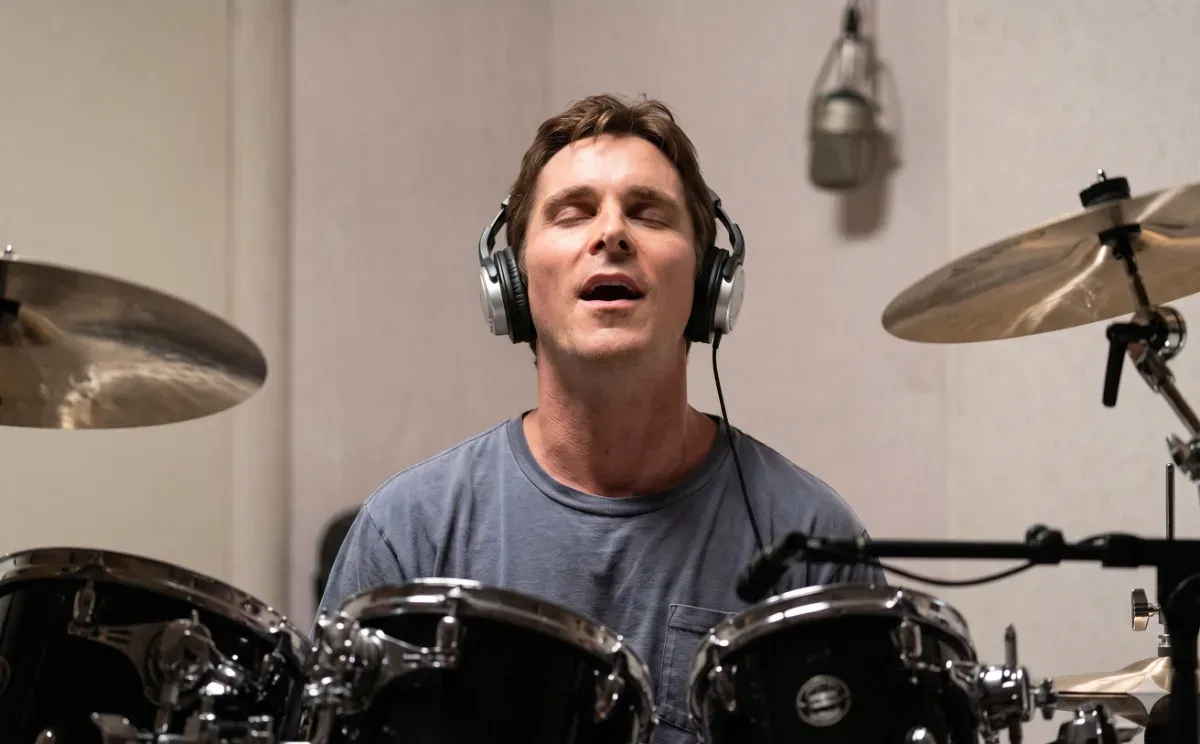
In 2015, the book was made into a film. Christian Bale played Michael Burry — depicted blasting metal music, walking barefoot around his office, obsessively absorbed in data. Bale received an Academy Award nomination for Best Supporting Actor for the role.
After the film's release, Burry's fame revived. But he didn't capitalize on the notoriety. He didn't attend the film's premiere and declined promotional interviews. The production team got only one short message from him for the film's end title cards.
"My interest is in one investment only. Water."
That was his final appearance in the film.
5. The Second Emergence (2013–2019)
In 2013, Burry opened a new fund. Named Scion Asset Management — different from Scion Capital. A new entity, a new structure.
But with a difference. He accepted almost no outside investors. Those he did accept were on a very small scale, limited to people he trusted. He registered with the SEC to satisfy 13F disclosure requirements, but in practice it operated almost like a family office.
From this period, his quarterly 13F filings began generating market commentary. He made small but precise bets.
2015: Bought Indian IT services firms. A bet on India's economic growth.
2017: Bought Japanese small-cap stocks. He saw opportunity in Japan's demographic shifts.
2019: Bought GameStop. At the time, GameStop was widely considered a dying video game retailer. Stock price: around $5. Burry saw that the company had ample capacity to buy back its own shares and judged that the market was undervaluing the company significantly.
The GameStop bet became history. In January 2021, a Reddit community sent GameStop exploding — stock surging from $5 to $480 in a single month. From his purchase price, Burry had made many times over.
But Burry had cleared most of his position just before the explosion. He wrote briefly on Twitter in January 2021.
"This is unnatural. Someone will get hurt."
As he predicted, the GameStop surge reversed within weeks. Some individual investors who rushed in at the peak took heavy losses.
6. The Cassandra of Twitter
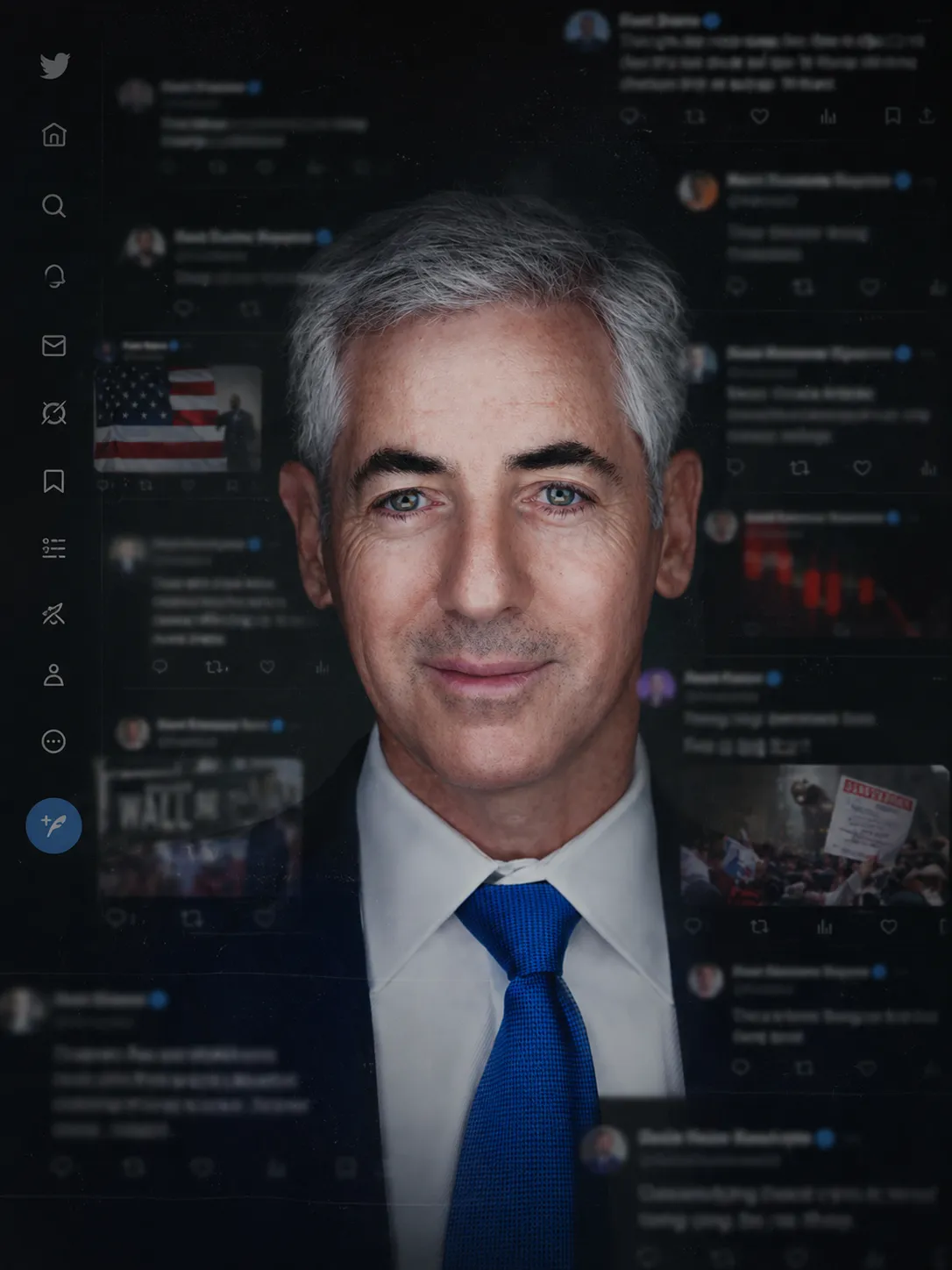
From 2018, Burry began actively using Twitter. Handle: @michaeljburry. He posted his views in short, direct messages — cryptic posts with no citations and barely any explanation.
"Bubble." (single-word tweet)
"Index funds = passive bubble."
"This will end badly."
His individual tweets began moving markets. When he mentioned a specific stock, that stock's price wobbled. When he expressed concern about an asset class, debate about that asset class erupted.
The warning he issued most consistently during this period was about the passive investing bubble. His diagnosis: money was flowing indiscriminately into index funds and ETFs, distorting individual company valuations.
"Index funds are price-indifferent." He explained at length once. "They buy automatically at any price. This is pushing the entire market up into a bubble. When it bursts, there's no exit for that capital simultaneously flowing out. Too many people are inside a theater with a narrow exit."
This warning didn't immediately materialize. Markets kept climbing in 2019, 2020, and 2021. People started forgetting him again.
Then in 2022, the market broke. The Nasdaq fell 33%. The bond market crashed simultaneously. The 60/40 portfolio (60% stocks + 40% bonds) posted its worst year on record.
Burry wrote one line on Twitter.
"I told you so."
And immediately deleted the tweet.
7. What He Actually Did for 12 Years
From 2008 to 2020, Burry appeared from the outside to be a person with almost no activity. But there are things he did during those 12 years.
Capital preservation. He did not lose the money he made during the Scion years. He kept his distance from the bubble assets created by quantitative easing, diversified into hard assets, and periodically converted to cash when markets overheated.
Time with family. He raised two children. His eldest received an Asperger diagnosis, and he was deeply involved in the child's upbringing — thinking back to his own childhood.
Observation and learning. He watched markets every day but didn't trade every day. Over 12 years, he studied macroeconomics, demographics, commodity markets, and emerging-market economies in depth. The foundations for the bets he made in the 2020s came from this 12 years of study.
Redefining his identity. In his Scion years, he was "the one-eyed madman." Twelve years later, he had become "Cassandra" — the prophet of Greek mythology who sees the future accurately but whom no one believes. This identity he actively embraced.
The one thing he didn't lose. His analytical method. The habit of reading 130-page contracts from first page to last. The gaze that questions market consensus. Over 12 years, everything in the external environment changed — but his way of thinking remained the same.
Fall 2008. You are Michael Burry. A five-year bet has paid off — 489% returns. Wall Street is lining up to hand you capital. Interview requests are pouring in. Scale up the fund now, and you could pocket billions over the next decade. But those five years have hollowed you out.
8. Three Lessons This Story Left Behind
First, stopping at the peak is the truly difficult decision.
Most investors fail not because they can't make money anymore — but because they can't stop when they have. One of the most common mistakes Korean individual investors make is taking a large profit and then making reckless bets trying to grow it further. And in those bets, losing everything they'd earned. Burry stopped at the peak, which is why he was able to protect those gains for the rest of his life. Stopping is not defeat. Stopping is the skill of preserving what you've won.
Second, being right doesn't mean being happy.
The fact that Burry was right in 2008 didn't make him happy. Five years of isolation and stress offset those profits. Making the right call in investing and protecting what you shouldn't lose during the process are separate problems. If you're considering a large bet on any position, ask yourself one question: "Even if this bet is right — what else will I lose in the process?" Time with family, quality of sleep, the calm of daily life. These things need to be factored into the calculation of the bet's value.
Third, disappearing is also a strategy.
Burry nearly disappeared for 12 years. No interviews, no media exposure, no fundraising. But during those 12 years he preserved his capital, deepened his analytical ability, and was able to return when the right moment came. Korean society places great importance on "constant presence" — influencers, daily content, relentless self-promotion. But genuine deep thinking and observation become possible when you're not in the spotlight. Sometimes disappearing is the most powerful action. So that when you return, your one word carries weight.
Once you've made your choice, reveal what the legend actually did
9. And 2025
In spring 2025, Burry's Scion Asset Management again drew market attention. He bought put options on NVIDIA and Palantir — in the market's hottest moment.
Wall Street mocked him again. "Burry has gotten it wrong again. He can't see the AI revolution."
But in November 2025, he deregistered Scion Asset Management with the SEC — stepping out of 13F disclosure obligations. That same month he wrote one line on X (Twitter).
"On to much better things."
Days later, he launched a paid newsletter: Cassandra Unchained. Annual price: $379. Now, free from public disclosures and institutional form, he analyzes markets entirely on his own terms.
The man who disappeared 12 years ago had, after 17 years, built entirely his own space.
On some dawn in September 2008, he sat alone in an empty office. Five years of war were over, and there was no one beside him.
In November 2025, he was writing the first issue of his newsletter from somewhere in California. Beside him were his wife and two children.
The twelve years thought to be lost.
Were, in fact, the years he had truly begun to live.
Sources
Michael Lewis, The Big Short (2010)
Burry, M., "I Saw the Crisis Coming. Why Didn't the Fed?", The New York Times (2010-04-03)
SEC Form 13F, Scion Asset Management (quarterly filings, 2013–2025)
Michael Burry @michaeljburry, X (formerly Twitter) post archive (2018–2025)
Cassandra Unchained Newsletter (2025)
Bloomberg Markets interviews (2014, 2019)
The Big Short production interviews (2015)
- 2008년 버리
- 489% 수익, 사무실에 혼자, 소진 상태
- 12년간의 선택
- 침묵, 실물자산, 가족, 자기 돈만 운용
- 2025년 버리
- 캐산드라 언체인드, 완전한 독립, 가족과 함께
What's your take on this story?
What do you think about Michael Burry's decision?
Sign in to participate
Sign InMichael Burry Today
Where is Michael Burry investing right now? See their latest 13F portfolio and current convictions.