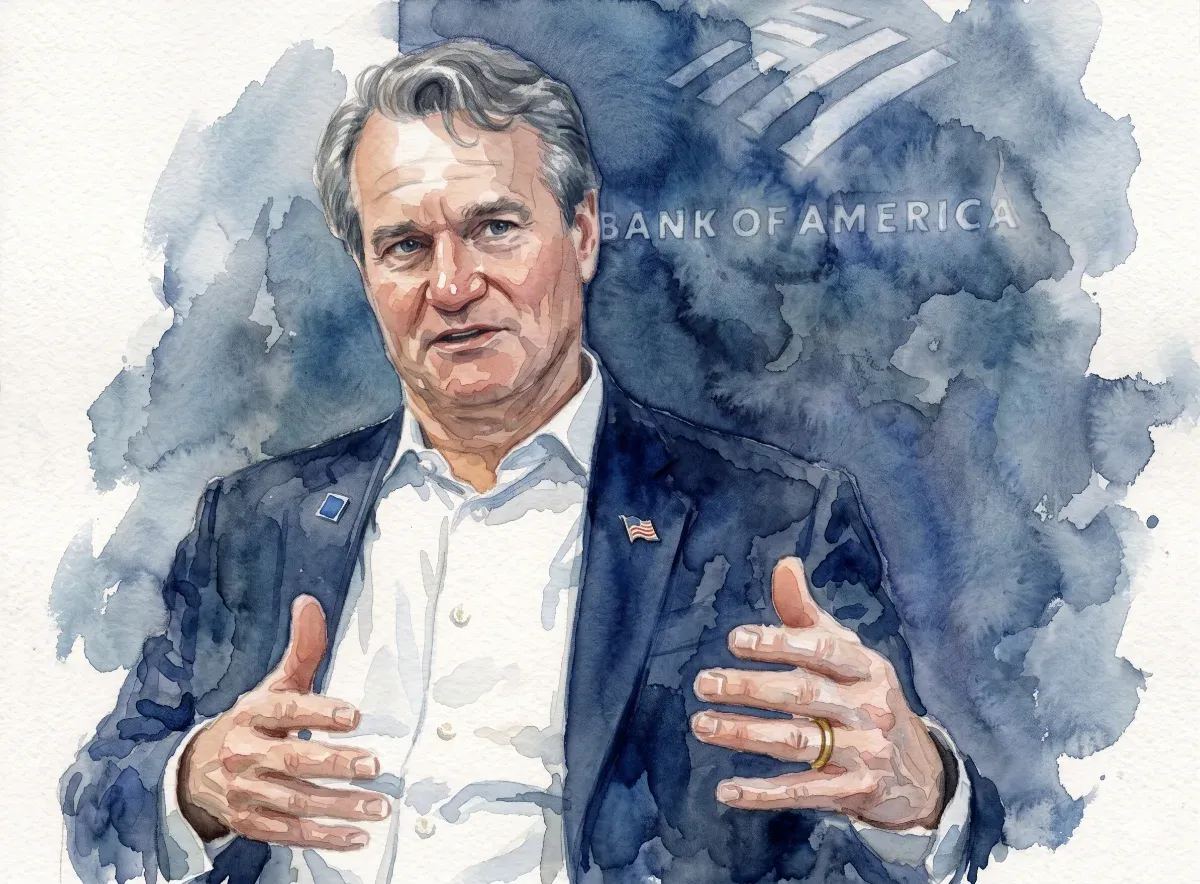
Burry and Gill — Same Stock, Same Time
August 2020: a single line in Michael Burry's 13F filing ended Keith Gill's 18 months of solitude. What happens when a legend and an unknown analyst reach the same conclusion.
Burry and Gill — Same Stock, Same Time
1. The Meaning of a 13F Filing
Friday, August 14, 2020, 4:05 p.m. A quarterly disclosure was filed with the U.S. Securities and Exchange Commission — a 96-page document. One line inside it changed one person's life. This is the record of the day Michael Burry's filing ended Keith Gill's eighteen months of solitude.
America has a rule.
Institutional investors managing over $100 million in assets must publicly disclose their U.S. equity holdings to the SEC each quarter. The form is called Form 13F. It must be filed within 45 days of quarter-end. In effect since 1975.
These disclosures are free for anyone to view. At the SEC's EDGAR website, you can see at a glance what Warren Buffett, George Soros, Bill Ackman, or Michael Burry has bought or sold.
There is one limitation, however: a 45-day lag. Holdings as of June 30 aren't public until mid-August. It's hard to perfectly match the price at which a legend bought. But one thing can be clearly known: which stocks that legend is watching. This information alone moves markets.
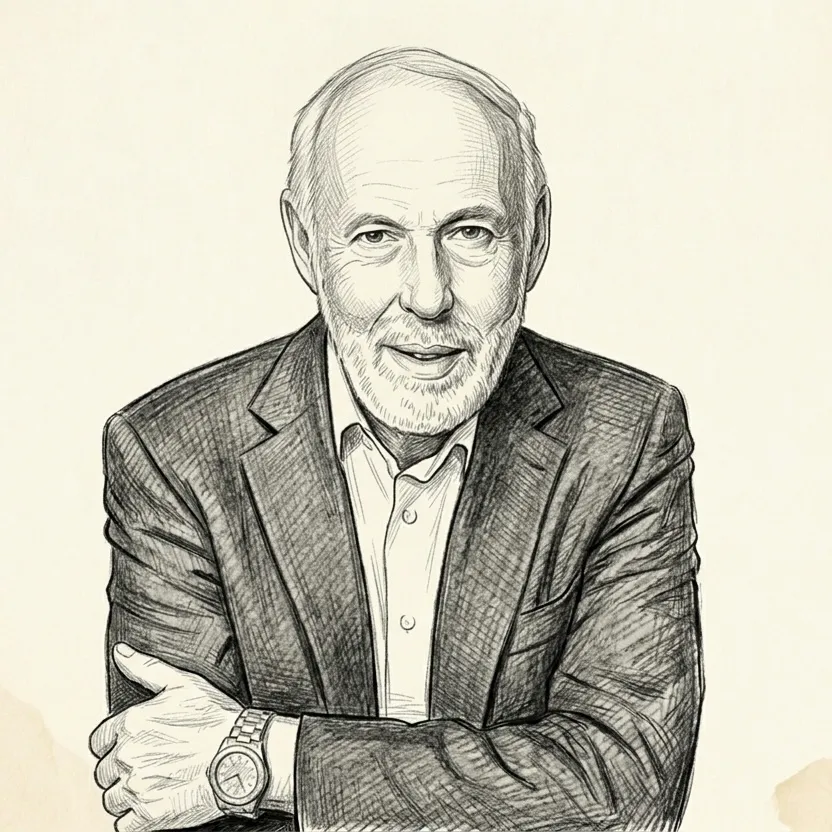
On August 14, 2020, Michael Burry's Scion Asset Management filed its 13F. Inside it, one stock had been newly added.
GameStop Corporation (GME). New position.
Approximately 1.75 million shares purchased. Value as of June 30: approximately $15 million. Roughly 2.5% of the total Scion portfolio.
Mainstream Wall Street analysts didn't read much into this filing. $15 million wasn't a large position by Scion's standards, and GameStop was widely considered a dying company. It was a known pattern that Burry occasionally bought unusual stocks.
But one person read this filing completely differently.
From a basement in Brockton, Massachusetts.
2. 4:30 p.m. on August 14
Keith Gill was getting ready to leave work that afternoon — Massachusetts Mutual Life Insurance. His official title: Director of Educational Marketing.
He had a habit of tracking SEC 13F filings every week, checking whether any legendary investor had entered the GameStop position he held. He had checked every week for 18 months. The result was always the same: no one had come in.
Friday, August 14 at 4:30 p.m. He opened SEC EDGAR as usual. He clicked on Scion Asset Management's latest filing. A 96-page PDF opened. Holdings listed in alphabetical order. A. F. G.
GAMESTOP CORP — NEW.
He stopped. Looked again. The word NEW was attached to that line. New position.
He stood up from his chair. He was at the office. Colleagues were around. He said nothing. He looked at the screen one more time. Same line.
He took a screenshot. He messaged the screenshot to himself on his phone. So he wouldn't forget it. His hands were shaking.
3. That Night's Video
Keith Gill left work earlier than usual. In the car on the way home, he was already mapping out the video in his mind.
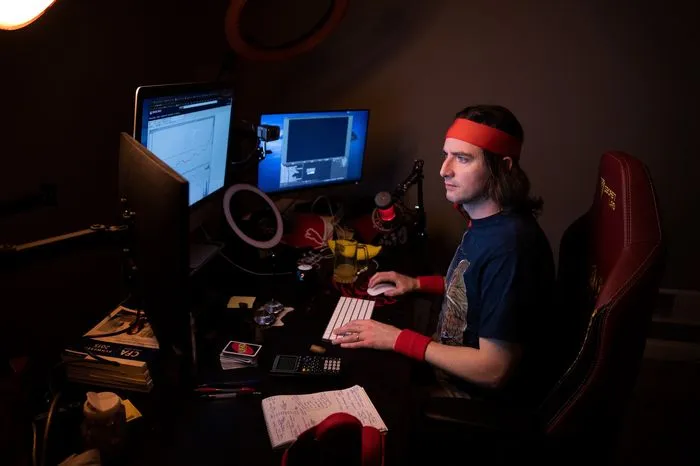
That night, he sat in his basement studio. A red headband on, a cat T-shirt. The usual outfit. One thing was different from usual: his eyes.
He turned on the camera. The first words:
"What's up, everybody. Tonight's video is a bit different from normal. Something big happened today."
He shared his screen. Scion Asset Management's 13F page on SEC EDGAR appeared.
"Look at this. Michael Burry bought GameStop. The Big Short Michael Burry. New position. About 1.75 million shares."
He was silent for a moment. He looked straight into the camera.
"If you've been watching this channel for over a year, you know the analysis I've done on GameStop. Undervalued relative to asset value, abnormal short interest, buyback capacity, digital transformation potential. For 18 months I repeated the same analysis. A lot of people laughed at me."
"Today I confirmed that Michael Burry bought the same stock. That's not proof that I'm right. Burry can be wrong too. But one thing is certain: the most famous contrarian investor in America arrived at the same analysis I did."
And he added briefly:
"I have been alone for 18 months. Today, for the first time, I don't feel alone."
Video length: 23 minutes. In the second half, he analyzed Scion's 13F data in detail as usual — likely timing of Burry's purchases, estimated average cost, future outlook.
Video title: "Michael Burry Just Bought GameStop. Vindication."
His normal view count: 200–500. This video crossed 10,000 in the first 24 hours. 50,000 within a week. 200,000 within a month.
The moment Keith Gill's channel began to explode.
4. What Two People Saw in the Same Stock
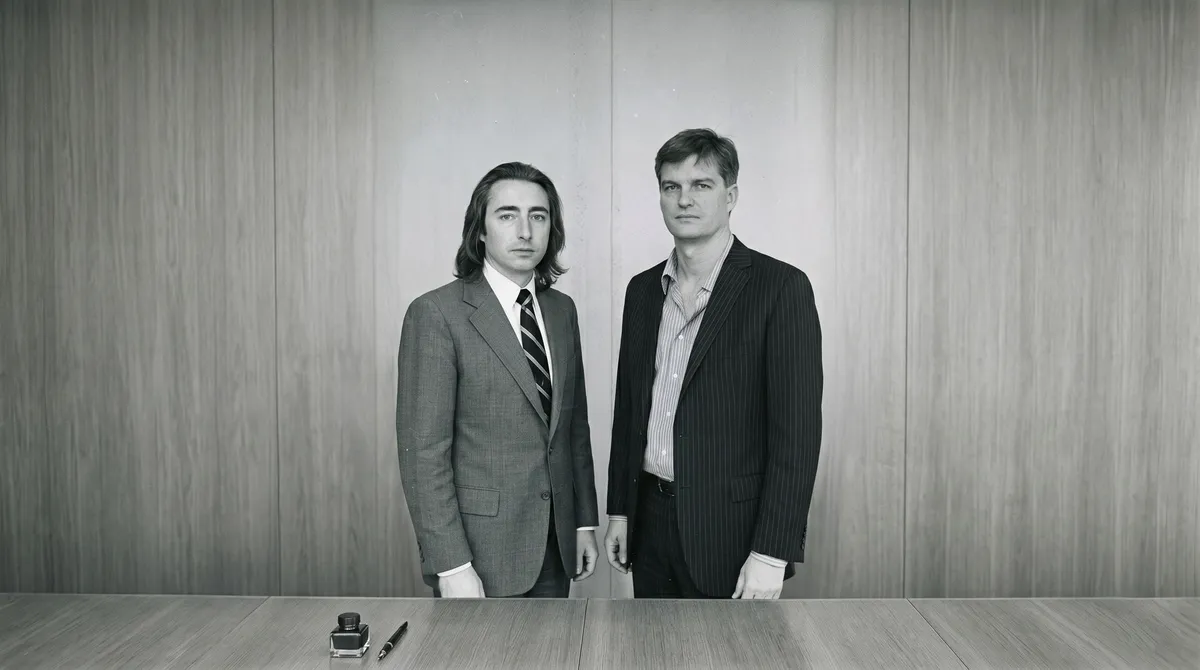
Keith Gill and Michael Burry had never met. They didn't know each other existed. They were in completely different worlds.
Burry was running a one-man firm somewhere in California with almost no employees. Assets under management: approximately $500 million. A reclusive investor who refused interviews and spoke only occasionally on Twitter.
Gill was an insurance company employee in Brockton, Massachusetts. YouTube subscribers: 1,000. Assets under management: $53,000. An unknown analyst posting videos from his basement every week.
But what they saw was the same.
First, GameStop's liquidation value. The cash and assets the company held added up to more than its market cap. The market was valuing the business itself at negative.
Second, the abnormality of the short structure. Short interest exceeding 100% of shares outstanding — more shares borrowed than physically existed. If any signal emerged that the company would survive, short squeeze potential.
Third, share buyback capacity. Debt was manageable and cash was sufficient. Buybacks, once they started, would reduce the float and make covering shorts harder.
Fourth, the Ryan Cohen variable. The Chewy founder was accumulating shares. If he entered the board, digital transformation becoming real was possible.
Combine those four and the conclusion was one: GameStop doesn't die. And the structure was set up so that if any survival signal appeared, the price could explode.
A legend and an unknown analyst, through different paths, with different tools, with different resources, arrived at the same conclusion.
5. The Ripples from One Line in a 13F
After Michael Burry's GameStop purchase was disclosed, several things unfolded in sequence.
Monday, August 17: GameStop stock +6%. Volume three times normal. Tuesday, August 18: Another +4%. Volume five times normal.
Some Wall Street fund managers saw the 13F and began to follow-buy. In the hedge fund world there was a dedicated copycat strategy of tracking legends' 13Fs and buying alongside them — the psychology that if Burry bought it, there's a reason.
But this time there was another flow. Individual investors, watching Keith Gill's video, began buying GameStop. GameStop posts on Reddit's r/wallstreetbets suddenly multiplied. The name DeepFuckingValue began circulating.
What this flow created wasn't just a price move. It was a new channel through which ordinary people could learn a legend's analysis through an unknown analyst's video.
Michael Burry's 13F one-liner. Keith Gill's 23-minute video. Tens of thousands of people on Reddit. These three layers combined to create the GameStop buying flow.
Late August: $8. September: $10. October: $13. Keith Gill's 18 months of solitude were ending.
6. August 31: A Third Figure
On August 31, 2020, another decisive event occurred.
Ryan Cohen filed a 13D with the SEC — a 9.98% stake in GameStop — with a public open letter to management attached. The letter was pointed: criticism that the company was too slow on digital transformation, and an argument that the e-commerce model Cohen had built at Chewy should be applied to GameStop.
Cohen's entrance added a new dimension to the GameStop story.
Gill and Burry saw GameStop as an undervalued asset. Cohen went one step further: he saw GameStop as a company capable of transformation — not just surviving, but being reborn as something new.
A month later GameStop's stock had nearly doubled. From $8 to $16.
Within one month — August 2020. Michael Burry (13F). Keith Gill (video). Ryan Cohen (13D). The actions of three people overlapped, and GameStop's fate began to change.
7. Keith Gill's Transformation
Fall 2020. Keith Gill's life changed.
YouTube subscribers crossed 50,000. Average video views: 100,000. Each Reddit post receiving thousands of upvotes. Tens of thousands of individual investors had bought GameStop following him.
He was still anonymous — behind the masks of Roaring Kitty and DeepFuckingValue. People didn't know his real name.
But the numbers on the weekly position updates he posted changed. September P&L: +500%. October: +800%. November: +1,500%. $53,000 had become $800,000.
The Reddit comments changed too. Mockery disappeared; support filled the feed. And during this period, one phrase was born: Diamond hands — holding like you're gripping diamonds, never letting go. Keith Gill's 18-month hold was the origin of that phrase.
GameStop closing price at end of December: $18.84. Gill's total P&L: approximately +200%. Without ever having sold.
And January 2021 was coming.
The afternoon of August 14, 2020. You are Keith Gill. You've spent 18 months analyzing GameStop, invested $53,000 of your own money, and posted videos every week. Your position has just turned profitable. Then a 13F filing drops — Michael Burry has bought the same stock. What do you do with this information?
8. Three Lessons This Story Left Behind
First, 13F filings are free. But almost no one tracks them.
On SEC EDGAR you can freely see what legends like Warren Buffett, Michael Burry, and Bill Ackman have bought and sold. Fewer than 1% of Korean individual investors probably check this regularly. There are limits — a 45-day lag, difficulty matching exact purchase prices. But knowing which stocks a legend is watching is already highly valuable. This is precisely why InteliView builds guru portfolios.
Second, a legend's actions aren't proof that you're right — they're proof that you're not alone.
What Gill gained when he saw Burry's 13F wasn't new analysis. He had been doing the same analysis for 18 months already. What he gained was a companion in conviction — the fact that America's most famous contrarian investor had arrived at the same conclusion as him. The feeling of being alone in investing shakes your analysis. The real value of tracking a legend's 13F is not a stock tip — it's external validation of your own analysis.
Third, the same information carries different meaning for different people.
August 14 at 4:05 p.m., Burry's 13F was filed. Wall Street analysts saw the same information. Hedge fund managers saw it too. For them it meant "Burry took a small position." For Keith Gill it was the event that ended 18 months of solitude. The value of information is determined not by the information itself but by the context of the person receiving it. If you're looking at certain data and other people seem indifferent, that may be a signal that you're the only one seeing the data's real meaning.
Once you've made your choice, reveal what the legend actually did
9. What One Line Left Behind
Michael Burry's one line in a 13F. Keith Gill's 23-minute video. The two met, and the current they created pushed GameStop from $18 to $480 five months later.
But the real meaning of this event wasn't the price.
A new channel had been created where legends and unknown analysts could meet. 13F had existed as public data — but almost no one before had deeply analyzed it and transmitted it to the general public. Keith Gill played that role. He translated Michael Burry's analysis into his own videos and delivered it to tens of thousands of people.
Once that channel was created, similar channels exploded in growth. YouTube stock analysis channels, 13F-tracking newsletters, automated guru portfolio tracking apps. The era of information asymmetry genuinely began to end in 2020.
Keith Gill became the most symbolic figure of that change — not by intention. He simply made videos of his analysis and honestly disclosed his losses and gains.
But that simple act rewrote a chapter of American financial history.
Sources
SEC Form 13F, Scion Asset Management (2020 Q2, filed 2020-08-14)
Keith Gill, YouTube "Roaring Kitty," "Michael Burry Just Bought GameStop" (2020-08-15)
Keith Gill, Reddit u/DeepFuckingValue posts (2020 Q3–Q4)
SEC Form 13D, Ryan Cohen / RC Ventures LLC (2020-08-31)
Spencer Jakab, "The Revolution That Wasn't" (2022)
Bloomberg Markets, "How Michael Burry's GameStop Bet Started a Revolution" (2021-02)
- 키스 길 분석 기간
- 18개월 (2019년 초 ~ 2020년 8월)
- 결정적 사건
- 2020년 8월 14일 마이클 버리 13F 공시
- 키스 길의 영상 콘셉트
- "18개월 동안 외로웠다. 오늘 처음으로 외롭지 않다."
- 영상 효과
- r/wallstreetbets 폭발 → 게임스탑 운동의 도화선
- 5개월 뒤
- 2021년 1월 게임스탑 사가 발생
- 버리의 역할
- 13F 공시 — 키스 길 검증의 결정적 외부 신호
- 핵심 교훈
- "공감이 분석보다 강하다. 한 줄의 솔직함이 18개월의 데이터보다 무겁다."
What's your take on this story?
What do you think about Michael Burry's decision?
Sign in to participate
Sign InMichael Burry Today
Where is Michael Burry investing right now? See their latest 13F portfolio and current convictions.