The 21-Year-Old Who Knocked on Locked HQ Doors on a Saturday
January 1951 — a graduate student took a train alone from New York to knock on the door of a locked building on a Saturday. This is the record of the day Warren Buffett discovered his first investment philosophy.
The 21-Year-Old Who Knocked on Locked HQ Doors on a Saturday
1. A Young Man on a Train
A Saturday morning in January 1951. A train pulled out of New York's Penn Station heading for Washington, D.C. In one of the cars sat a slim young man in glasses, a thick file resting on his knees.
Inside the file were the financial statements of a company. The young man had already read the numbers three times. He was reading them again on the train.
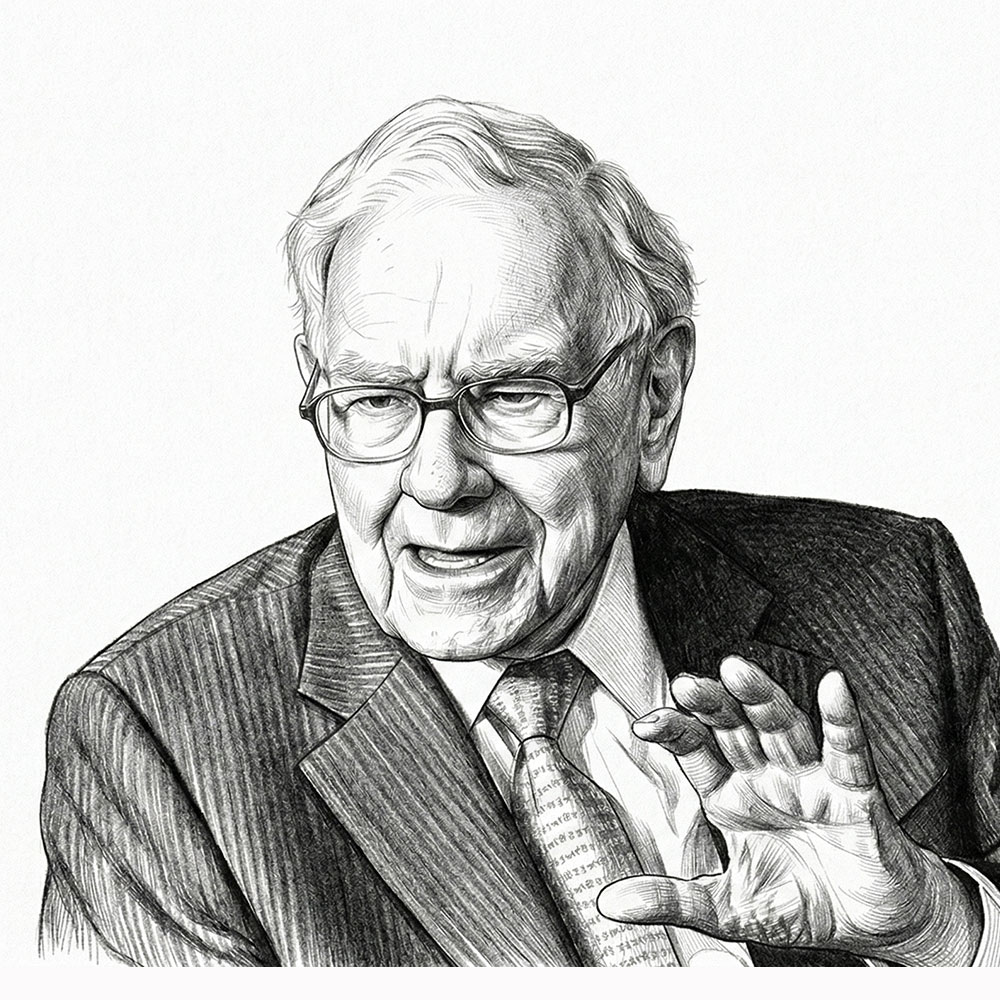
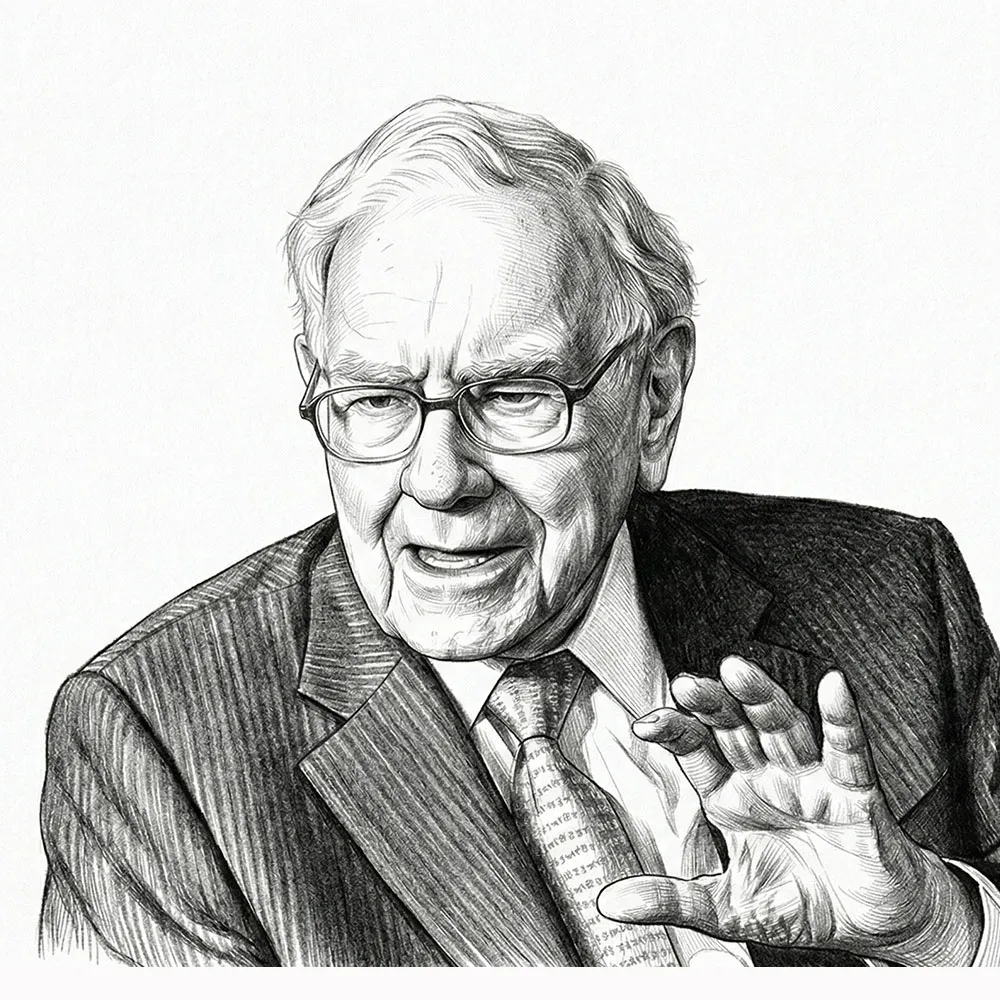
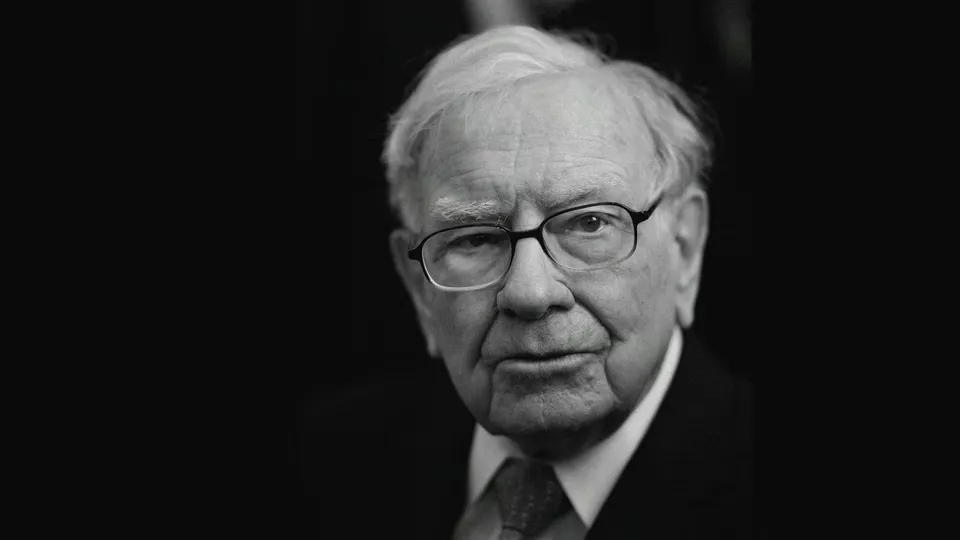
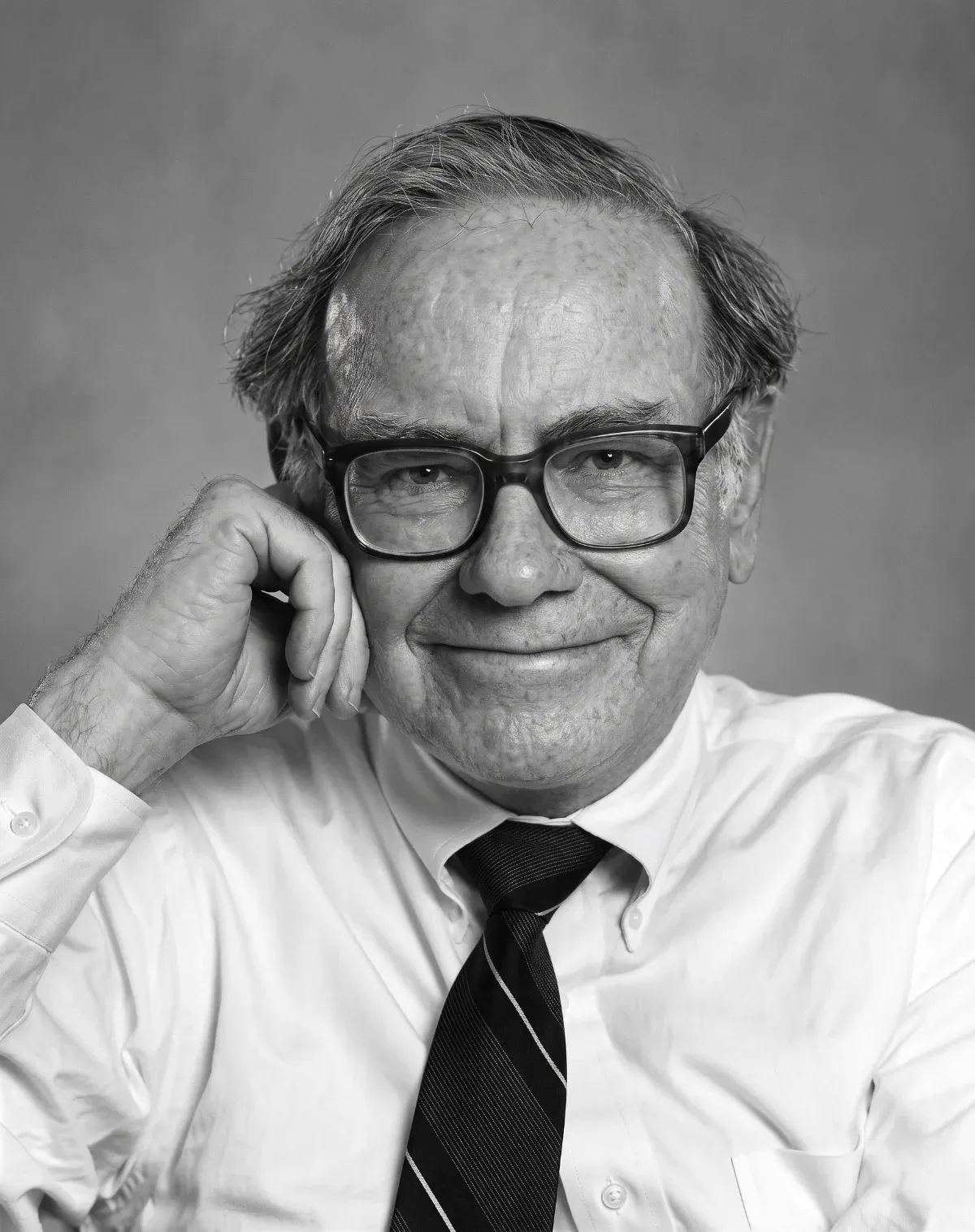
His name was Warren Buffett — a graduate student at Columbia Business School. His advisor was Benjamin Graham, the father of value investing and one of the most respected investors on Wall Street.
In Graham's class, Buffett had noticed something odd. Graham sat on the board of a company called GEICO — the Government Employees Insurance Company. It sold auto insurance.
After class, Buffett had gone to the library and researched the company. The numbers were strangely good — steep growth, solid capital structure, costs far below competitors. Yet no one on Wall Street covered the company. There wasn't a single analyst report he could reference.
So he took the train. He decided to go see the company himself.
2. The Door Was Locked
The train arrived at Union Station. Buffett hailed a cab to GEICO's headquarters at 1413 K Street NW. An ordinary six-story building.
He pushed the front door. Locked.
It was Saturday. Of course it was. Most American companies close on Saturdays. Buffett knew this perfectly well — but he had already left New York, and he didn't want to have come all this way for nothing.
He walked around the building. Found a back door. Stood in front of it for a long moment.
Then the door opened from inside. A janitor — a middle-aged man holding a broom — looked at him.
"What are you doing here?"
"I'm a student of Benjamin Graham's. I came from New York because I have questions about this company. Is there anyone working today?"
The janitor studied him for a moment. Then said:
"There's someone on the sixth floor. Follow me."
3. Four Hours of Conversation
Up on the sixth floor, a man was reviewing documents in one of the offices. His name was Lorimer Davidson — GEICO's vice president of finance. He was forty-four years old.
Davidson looked quizzically at the unexpected twenty-year-old visitor. Buffett introduced himself: "I'm a student studying under Ben Graham. Mr. Graham is on your board."
That one sentence opened the door. Davidson admired Graham. If this was Graham's student, he was a guest worth meeting.
"Sit down. What would you like to know?"
Buffett began his questions. He had practically memorized the financial statements. The questions were specific.
Why does GEICO sell insurance directly by mail rather than through agents? How does that affect your cost structure? Why target only government employees? What is the structural reason your loss ratio is lower than competitors? What's the ceiling on sustaining your growth rate?
Davidson started answering the first couple of questions casually. But as the questions continued, he sat up straighter. This young man was already prepared to the level of an industry analyst.
Four hours passed. The sun was going down.
Davidson later recalled: "In those four hours, I poured everything I knew about the entire auto insurance industry into this young man — the structure of the business, GEICO's competitive advantages, where we'd be in the next ten years. He absorbed all of it."
Buffett didn't take notes. He just listened. Then asked. Then listened again.
That evening he left Washington. On the train back to New York, he made up his mind.
4. 75% of Everything He Had
The following Monday, Buffett started liquidating his portfolio. His total savings at the time: $9,800 — a substantial amount for a twenty-year-old, accumulated from newspaper delivery, a pinball machine business, and golf ball reselling since age ten.
He sold his other stocks. Then he bought GEICO shares. 350 shares, $7,434 worth. 75% of everything he owned, in a single stock.
By Wall Street standards, it was lunacy. A twenty-year-old graduate student, in a company with no analyst coverage, after one visit to headquarters, put over two-thirds of his life savings into it.
Buffett reported this to his mentor Graham. Graham was uncomfortable. Graham's investment philosophy centered on diversification — concentrating everything in one stock was the opposite of his principles. And the company whose stock was being bought? One where Graham himself sat on the board.
Graham urged him to reconsider. Buffett apologized — but didn't sell.
A year passed. Buffett sold the GEICO shares. His return: 50%. Excellent for 1952.
But twenty years later, Buffett described that sale in his own words:
"One of the most foolish decisions of my life."
February 1952. You are a twenty-year-old Warren Buffett. GEICO stock, which you bought a year ago, has climbed 50% in just twelve months. Nearly all of your life savings is riding on this single position. Everyone around you calls it reckless. Even your mentor, Benjamin Graham, is worried.
5. What He Missed
Those 350 GEICO shares sold in 1952. What happened to them? By 1972 — twenty years later — the same shares were worth roughly $1.3 million. Against the original $7,434 investment: approximately 175 times the money.
Buffett took his 50% gain and forfeited 175x growth.
There's an even more ironic twist. In 1976, GEICO nearly went bankrupt. Reckless management had caused the loss ratio to explode, and the stock collapsed roughly 80%. Wall Street was writing GEICO's obituary.
That's when Buffett stepped back in. Through Berkshire Hathaway, he began buying GEICO shares in size. This time, he didn't sell. In 1995, he acquired the whole company. Today GEICO is one of Berkshire's core subsidiaries.
The young man who knocked on an empty building that Saturday in January 1951 became the building's owner forty-four years later.
Once you've made your choice, reveal what the legend actually did
6. Three Lessons This Story Left Behind
First, to see beyond the numbers, you have to go in person. If Buffett had only read the financial statements, he wouldn't have gained the conviction to put 75% into GEICO. Numbers show direction. Whether that direction is real is confirmed only on the ground. This principle is just as valid for Korean retail investors in 2025. Reading IR materials and filings is different from actually using a company's products, meeting people who work there, visiting their stores. The latter is done by vanishingly few investors — which is precisely why it remains a source of alpha.
Second, doors open only to those who knock. What made twenty-year-old Buffett special wasn't that he was a genius. It was that he took the train. That he didn't turn back when the door was locked. That he walked around to the back and talked to the janitor. Most people try to solve it with a Monday phone call. Or an email. Or don't try at all. In investing, competitive advantage comes not from skills but from the threshold of action.
Third, locking in a gain is sometimes the most expensive mistake. 50% is a good return. But selling in year one of a thirty-year growth story is equivalent to forfeiting 99% of the money you were supposed to earn over a lifetime. There is one thing Buffett has emphasized his entire life: "If you've found a truly great company, don't sell." That lesson started with GEICO. He learned it at a cost of $1.3 million.
- 버핏의 선택
- 50% 수익 확정, 전량 매도 (1952)
- 만약 보유했다면
- 20년 뒤 175배, $130만 (1972)
- 결국 한 일
- 1976년 재진입, 1995년 게이코 완전 인수
7. What That Saturday Left Behind
That one day in 1951 changed Buffett's life. And he repeated the pattern — for life.
When the American Express card fraud scandal broke, he went to New York restaurants and watched whether people were still using the card. Before acquiring See's Candies, he visited the actual stores and ate the candy. Before buying Coca-Cola, he drank Cherry Coke for years.
You look at numbers from a desk. You find truth in the field. He learned this simple principle on a Saturday when he was twenty years old.
And the principle is still valid.
In 1951, it took a four-hour train ride to reach Washington. In 2026, the companies you're interested in are already in your hand. Which company made your smartphone. How an app actually works. Where that brand's store is in your neighborhood. The field is closer than ever.
Most people still don't knock on the door.
Sources
Alice Schroeder, The Snowball: Warren Buffett and the Business of Life (2008)
Berkshire Hathaway Annual Letter (1995, GEICO acquisition)
Lorimer Davidson, GEICO oral history (1976)
Roger Lowenstein, Buffett: The Making of an American Capitalist (1995)
What's your take on this story?
What do you think about Warren Buffett's decision?
Sign in to participate
Sign InWarren Buffett Today
Where is Warren Buffett investing right now? See their latest 13F portfolio and current convictions.