
JPMorgan and Jefferies: "DeFi Hacks Brake Blockchain Adoption"... Tokenization Itself Won't Stop
JPMorgan and Jefferies issued warnings about institutional DeFi adoption following the $4 billion KelpDAO hack. North Korean Lazarus Group involvement is suspected, and while tokenization will continue, DeFi monetization adoption faces delays.
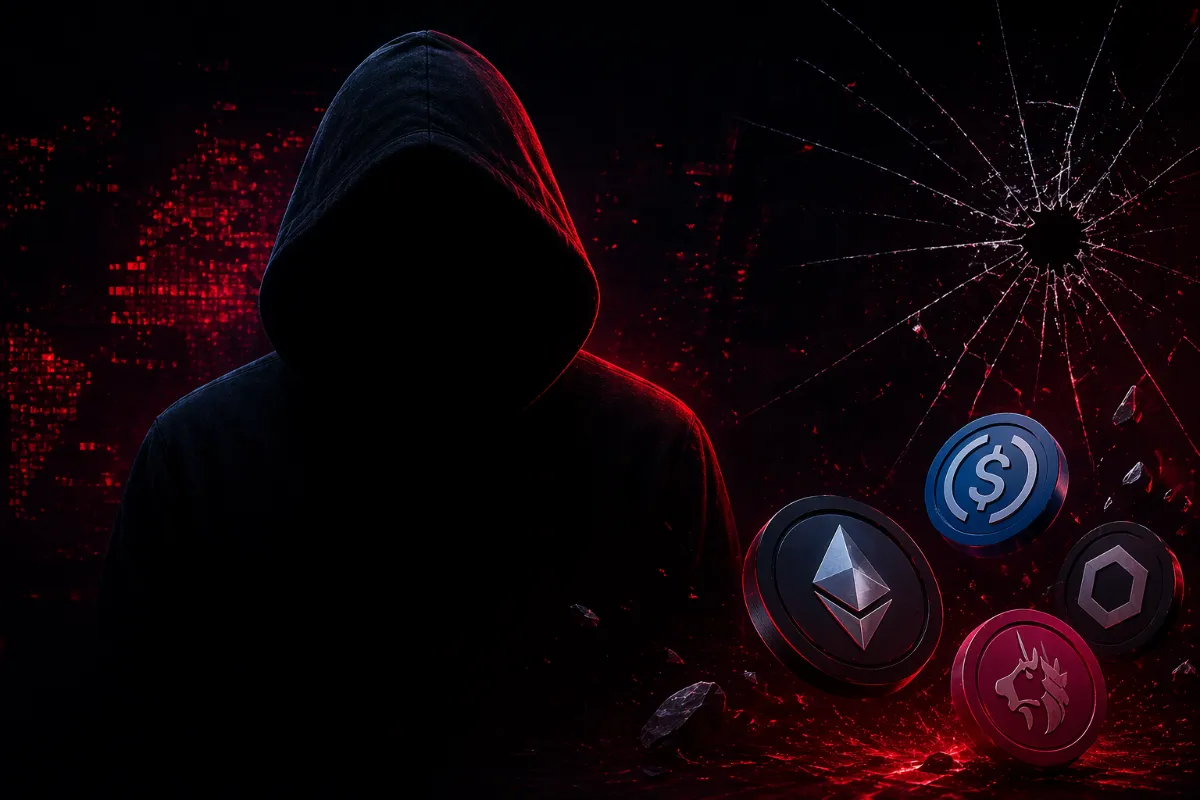
- JPMorgan and Jefferies warn the Kelp DAO hack will slow DeFi adoption, with Lazarus Group involvement forcing institutional caution
- SEC and DTCC push tokenized settlement by 2026, but banks may shift to closed private protocols over public DeFi
KelpDAO $293 billion hack suspected North Korean Lazarus involvement... institutional DeFi adoption speed adjustment inevitable
JPMorgan and Jefferies have consecutively warned about DeFi (decentralized finance) hacking risks, stating that major banks' blockchain adoption plans could be reconsidered. Jefferies warned that recent hacking incidents could put the brakes on real-world asset tokenization (RWA) and overall on-chain settlement plans.
The immediate trigger was the KelpDAO hack. Approximately $293 million (about 400 billion won) was stolen from KelpDAO, an Ethereum-based liquid restaking protocol. On-chain security researchers suspect North Korea's Lazarus Group was involved in the hack. Lazarus is a North Korean state-sponsored hacking organization that has been identified as the perpetrator of some of the largest crypto hacks in recent years, including Binance-related hacks in 2024 and Bybit hacks in 2025.
Tokenization Continues, DeFi Monetization Is the Issue
Experts believe the tokenization trend itself will not be broken. SEC Chairman Paul Atkins stated that "everything will be tokenized and on crypto rails by the end of 2026." The Depository Trust & Clearing Corporation (DTCC) is also proceeding with transitioning to a tokenized settlement system by the end of 2026 after receiving a no-action letter from the SEC. DTCC is effectively the clearing and settlement institution for the entire US stock market, settling $4.5 quadrillion worth of trades annually.
Tokenization itself won't stop because it's faster, cheaper, and eliminates intermediaries. The question is whether to put those tokenized assets into DeFi to generate returns.
Scott Melker, Host of 'The Daily Wolf'
Melker predicted that major institutions will eventually move toward building their own closed, centralized protocols instead of public DeFi.
Lazarus DeFi Infiltration Poses Greater Threat
The more fundamental problem is that Lazarus's DeFi infiltration methods are becoming increasingly sophisticated. Melker said, "We've called DeFi modular LEGO, but it's actually more like Jenga." This metaphor suggests that removing just one piece from the protocol structure built like LEGO blocks could bring down the entire system. Lazarus, with nation-state level resources and organization, is systematically targeting these vulnerabilities.
Indeed, Lazarus's DeFi hacking damages have surged to billions of dollars since 2024. This is why warnings suggest this KelpDAO hack could be "just the beginning." It's against this backdrop that JPMorgan and Jefferies have issued official warnings to institutional investors about DeFi risks.
InteliView Editorial | 2026.04.25
Frequently Asked Questions
Why does the Lazarus Group specifically target DeFi?
DeFi protocols are particularly attractive targets because their code is publicly accessible, making it easier to identify smart contract vulnerabilities, and any stolen assets can be moved immediately upon a successful exploit, making them difficult to trace. From North Korea's perspective, these attacks serve as a means of acquiring foreign currency while circumventing international sanctions.
Are tokenization (RWA) and DeFi different concepts?
Tokenization refers to the process of bringing real-world assets—such as equities, bonds, and real estate—onto a blockchain, whereas DeFi encompasses the decentralized financial activities performed with those tokenized assets, such as lending or yield generation. While tokenization continues to advance, institutional participation in DeFi may be delayed due to ongoing security concerns.
What impact would DTCC's shift to tokenization have on the crypto market?
If DTCC migrates its approximately $4.5 quadrillion in annual transactions onto blockchain rails, demand for the underlying infrastructure would grow exponentially. Companies providing infrastructure for Ethereum and private blockchain-based settlement systems, in particular, would stand to benefit directly.

Circle Posts $701M Q2 Revenue, Net Income Jumps but Stock Falls 3% on Revenue Miss
 CRCL
CRCLExxonMobil Posts 4-Year-High Profit but Misses Estimates as AbbVie, Colgate Among 23 Companies Report Earnings
 XOM
XOM LIN
LIN LYB+25
Lam Research, L3Harris, Fair Isaac Among 25 US Firms Reporting Earnings Today — FICO Slides Despite Beat
 LHX
LHX CP
CP VRT+22
Wall Street's Defining Moments
See more


Sunday's SEC 8-K Earnings Filings Quiet, but Royal Gold Doubles Net Income and Launches Buyback
 RGLD
RGLDVeritone Earnings Shock Sends Shares Down 23%...York Space Systems Among 25 US Companies Filing SEC 8-K Earnings Reports
 YSS
YSS CODX
CODX IPWR+26
Applied Materials Posts Record Q3 Revenue of $9.1 Billion, All-Time High EPS
 AMAT
AMATSmart Money Briefing
Weekly summaries of Wall Street guru moves and crypto whale activity.