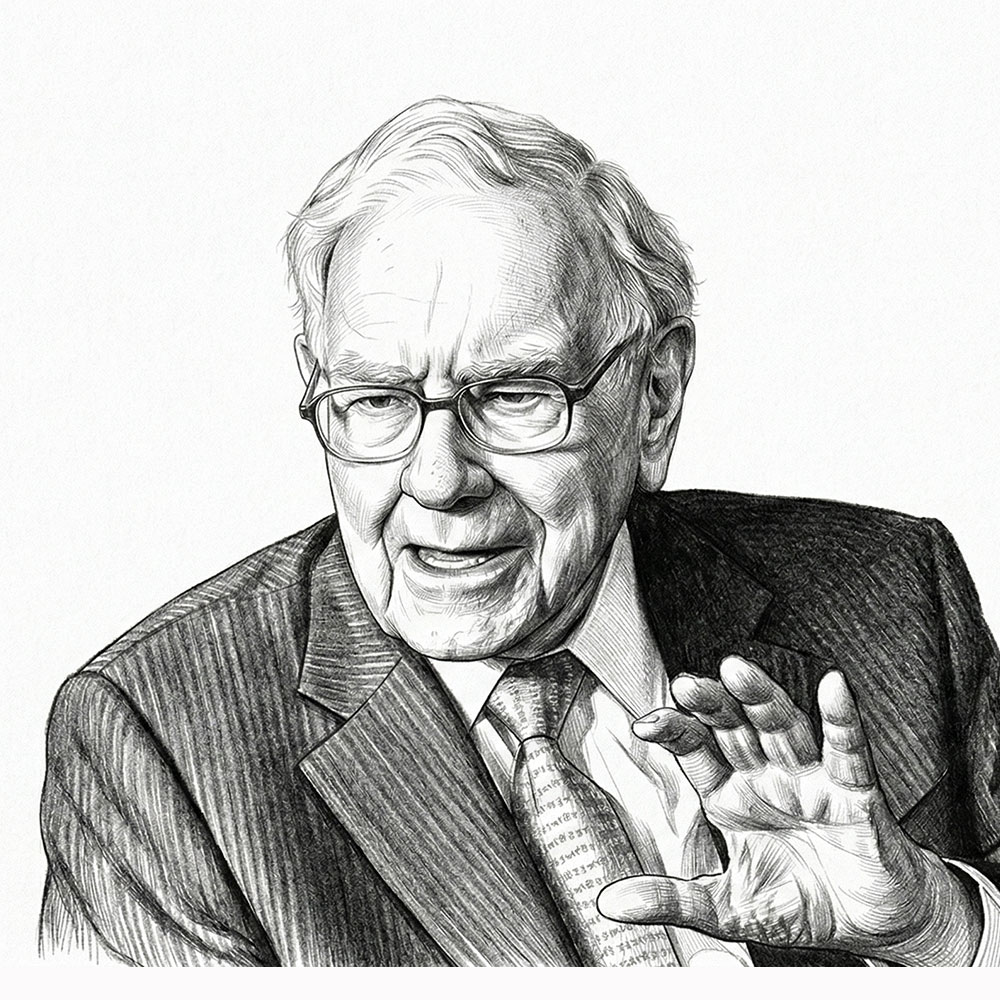
Trump Personally Brokered the Apple-Intel Foundry Deal That Sent Intel from $20 to $125 — U.S. Government Now a 10% Shareholder
President Trump personally brokered the Apple-Intel chip manufacturing deal that sent Intel from $20 to $125. The U.S. government took a 10% equity stake, Nvidia invested $5 billion, and Apple agreed to use Intel's 18A node for iPad Pro and MacBook chips — the first step toward a domestic U.S. foundry at Apple's scale.
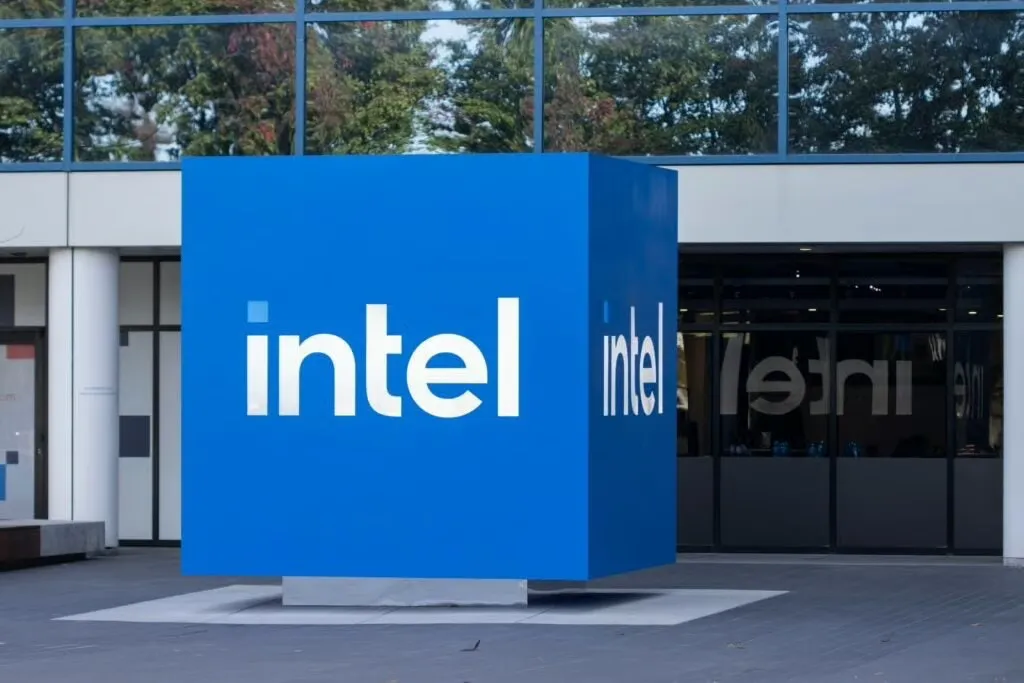
- Trump personally brokered the Apple-Intel foundry partnership that sent Intel from $20 to $125 (+494% YoY)
- The U.S
- government took a 10% equity stake, Nvidia invested $5B at $23/share (now 5x), and Apple agreed to use Intel's 18A node for iPad Pro and MacBook chips
The U.S. government became a shareholder in a private semiconductor company for the first time. The deal that Trump personally rescued sent Intel's stock from $20 to $125 and cemented a second American foundry for Apple's chips.
In the most dramatic semiconductor stock reversal of 2026, Washington sits at the center. Intel (INTC) closed at $124.92 on May 8, 2026, up 494.86% year over year. Behind that move: Commerce Secretary Howard Lutnick meeting repeatedly with Tim Cook, Elon Musk, and Jensen Huang to push them to partner with Intel, and President Trump personally telling Cook in a White House meeting, "I like Intel."
Lutnick, Cook, Musk, and Huang in the Room
Rarely has industrial policy moved a stock price this visibly. Lutnick made repeated visits to the CEOs of America's largest technology companies, framing Intel Foundry as essential infrastructure for the U.S. AI supply chain. When negotiations with Apple's Tim Cook neared a close, Trump personally endorsed Intel in a White House session — a detail that Coogan described on TBPN as the decisive push.
The government didn't stop at diplomatic support. The federal equity stake — 10% of Intel — made Washington a direct shareholder in a publicly traded semiconductor company, a precedent without modern parallel. Nvidia also invested $5 billion at roughly $23 per share; that position is now up approximately 5x.
This is the most consequential industrial policy intervention in semiconductors since the CHIPS Act.
TBPN Podcast, John Coogan
Intel's Numbers Back the Story
The stock move didn't stay purely political — the fundamentals showed up. Intel reported Q1 FY2026 revenue of $13.577 billion, beating estimates by 9.22%. Data Center and AI grew 22% year over year to $5.05 billion. Intel Foundry, the segment most relevant to any Apple manufacturing scenario, grew 16% to $5.42 billion. Non-GAAP gross margin expanded to 41.0%.
- Total revenue: $13.577B (+9.22% vs. consensus)
- Data Center & AI: $5.05B (+22% YoY)
- Intel Foundry: $5.42B (+16% YoY)
- Non-GAAP gross margin: 41.0%
- Q2 guidance: $13.8B–$14.8B in revenue
CEO Lip-Bu Tan framed the moment around inference: "The next wave of AI will bring intelligence closer to the end user, moving from foundational models to inference to agentic." GAAP results look messy due to a $4.07 billion restructuring charge tied mostly to Mobileye goodwill impairment, but the operating trajectory is cleaner than the headline numbers suggest.
Why Apple Needed a Second Foundry
Apple's motivation is supply chain geography. The Wall Street Journal reported May 8 that Apple and Intel reached a preliminary agreement after more than a year of negotiations, with iPad Pro and entry-level MacBook Air chips set to use Intel's 18A node.
Apple, now a $4.3 trillion company, cannot afford indefinite single-sourcing through Taiwan. Cook had already warned that the Mac mini and Mac Studio might take months to reach supply-demand balance. With fiscal Q2 2026 revenue of $111.18 billion — iPhone alone at $56.99 billion, Services at an all-time record $30.98 billion — Apple has both the cash and the strategic motive to fund a U.S.-based foundry partner, even one still ramping its leading-edge nodes. A $100 billion buyback authorization completed in the same quarter underscores the capacity.
The AI Big Ten: 40% of the Entire Market
The Apple-Intel deal is part of a larger concentration story. The AI Big Ten — the Magnificent 7 plus AMD, Broadcom, and Micron — now represents 40% of the total U.S. equity market. One-year returns make the concentration visible.
- NVDA (Nvidia): +83.4%, market cap $5.23 trillion
- INTC (Intel): +494.9%, closing at $124.92
- MU (Micron): +779.2%
- AMD: +347.6%
- AVGO (Broadcom): +108.6%
With the U.S. government as an Intel shareholder and the Terafab consortium (Intel + SpaceX + xAI + Tesla) now formed, Washington is no longer just a regulator of the semiconductor supply chain — it is an active equity participant. The Apple-Intel template, if it extends to other strategic industries, means the political risk premium on the AI Big Ten has permanently changed shape.
Frequently Asked Questions
How did Trump personally intervene in the Apple-Intel deal?
Commerce Secretary Lutnick held repeated meetings with Tim Cook, Elon Musk, and Jensen Huang to push each toward partnering with Intel. Trump then personally told Cook in a White House meeting that he liked Intel — widely described as the decisive push that closed the negotiation. The government followed up by taking a direct 10% equity stake alongside CHIPS Act funding.
Why did Apple choose Intel as a foundry partner?
Supply chain diversification. Apple has been almost entirely dependent on TSMC for chip production. After more than a year of negotiations, it reached a preliminary agreement to use Intel's 18A node for iPad Pro and entry-level MacBook Air chips — reducing Taiwan concentration risk at scale.
How did Intel's stock go from $20 to $125?
The government's 10% equity stake, Nvidia's $5 billion investment, and the Apple foundry partnership agreement all converged. Intel's Q1 results — Data Center and AI up 22% year over year, Foundry up 16% — provided fundamental support. The one-year return as of May 8, 2026 stands at 494.86%.
What is the Terafab consortium?
Terafab is a U.S. AI infrastructure foundry consortium involving Intel, SpaceX, xAI, and Tesla. Musk-affiliated companies are building an AI chip supply chain through Intel Foundry under the consortium structure, backed by CHIPS Act support.
What does it mean that the AI Big Ten represents 40% of the market?
The Magnificent 7 (Apple, Nvidia, Microsoft, Google, Amazon, Meta, Tesla) plus AMD, Broadcom, and Micron together account for 40% of total U.S. stock market capitalization. This level of concentration hasn't been seen since the railroad era. When these ten stocks move, the entire index moves with them.

Applied Materials Posts Record Q3 Revenue of $9.1 Billion, All-Time High EPS
 AMAT
AMATCoherent, Performance Food Among 25 US Firms File SEC 8-K Earnings Disclosures as AI Chip, Biotech Earnings Season Kicks Off
 COHR
COHR CBRS
CBRS AOSL+21
25 SEC 8-K Earnings Disclosures Flood In, Including Owens Corning, Extreme Networks, Utz Brands
 HBB
HBB NC
NC EPC+27
Wall Street's Defining Moments
See more
Sunday's SEC 8-K Earnings Filings Quiet, but Royal Gold Doubles Net Income and Launches Buyback
 RGLD
RGLDVeritone Earnings Shock Sends Shares Down 23%...York Space Systems Among 25 US Companies Filing SEC 8-K Earnings Reports
 YSS
YSS CODX
CODX IPWR+26
Applied Materials Posts Record Q3 Revenue of $9.1 Billion, All-Time High EPS
AMATSmart Money Briefing
Weekly summaries of Wall Street guru moves and crypto whale activity.