Trump Opened China's Door for Nvidia — but Beijing Wants AMD. Lisa Su Met China's Vice Premier Privately.
Trump secured a deal for Nvidia to sell H200 chips to 10 Chinese companies — but Beijing immediately added tighter scrutiny on Nvidia's GPUs. Meanwhile, AMD CEO Lisa Su held a separate meeting with China's Vice Premier at Beijing's request. The real beneficiary of U.S.-China chip reopening may be AMD, not Nvidia.
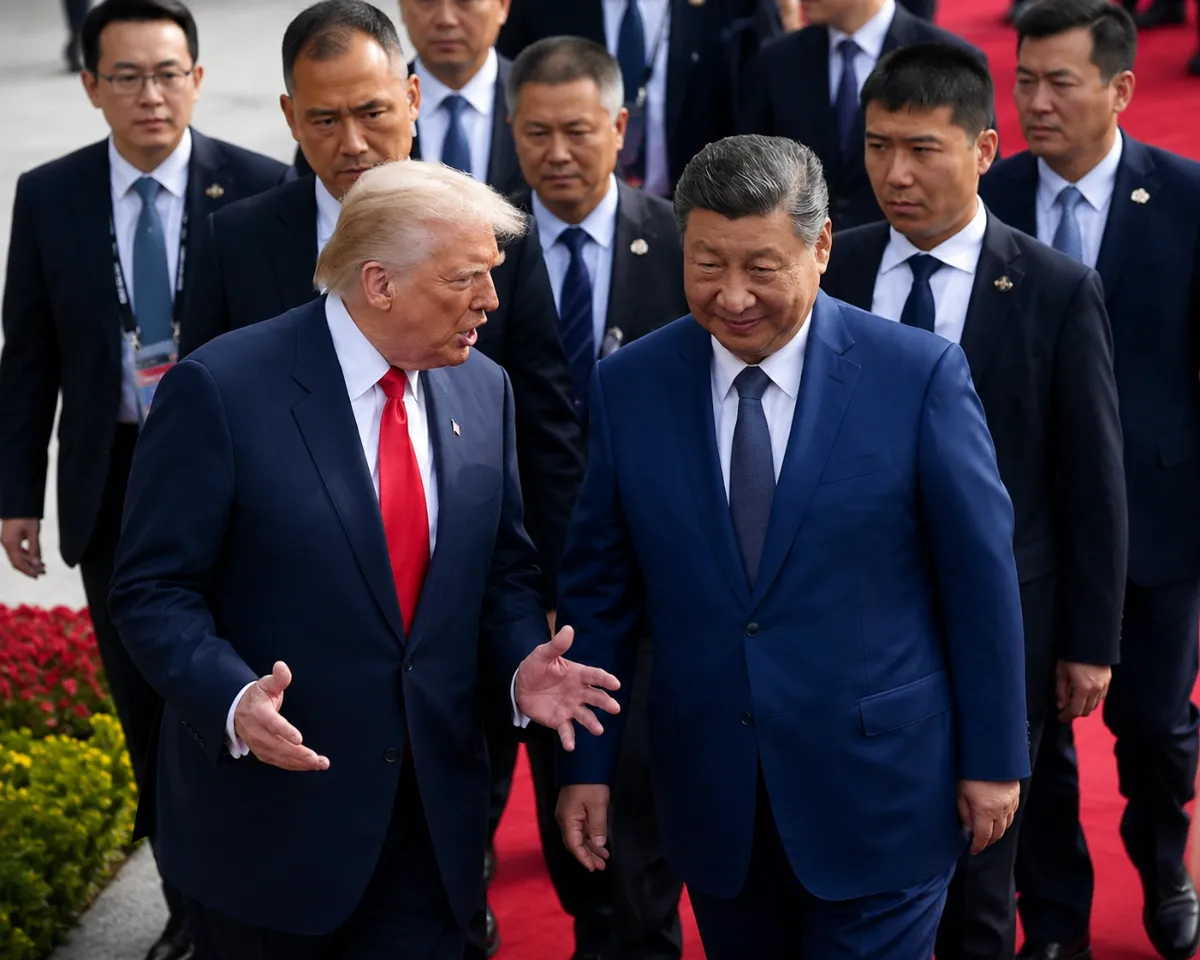
- Trump secured H200 chip approval for Nvidia in China, but Beijing added immediate scrutiny
- AMD CEO Lisa Su met China's Vice Premier at Beijing's direct request
- The practical winner of U.S.-China chip reopening may be AMD over Nvidia
Trump opened the door for Nvidia to sell H200 chips to China. But Beijing wants AMD. Nvidia's 80-90% AI GPU market share has become a geopolitical liability, while AMD CEO Lisa Su held a separate meeting with China's Vice Premier at Beijing's request. The real winner of the U.S.-China chip reopening may not be who investors expected.
On a recent China visit, President Trump and a delegation of U.S. executives secured a deal allowing Nvidia to sell H200 AI chips to 10 Chinese companies, including Alibaba, JD.com, ByteDance, and Lenovo. For Nvidia, it appeared to be a long-awaited crack in the export control wall that had blocked China — once 20-25% of its data center revenue — since restrictions tightened under both Biden and Trump administrations.
But shortly after the announcement, Beijing placed Nvidia's GPUs under tighter government scrutiny, limiting the practical market access the deal implied. And a quieter development emerged: AMD CEO Lisa Su held a separate meeting with China's Vice Premier — at Beijing's request — to explore deeper cooperation.
Why Nvidia's Dominance Became a Liability
Nvidia controls an estimated 80-90% of the AI GPU market. That dominance, paradoxically, makes it a geopolitical problem for Beijing. Dependence on Nvidia isn't just a supply chain decision — it's a structural vulnerability. If Washington tightens export controls again, as it has before, China's entire AI infrastructure buildout is at risk.
Beijing has been developing alternatives — Huawei's Ascend AI chips among them — while looking for U.S. semiconductor partners seen as less strategically threatening. AMD fits that profile: a meaningful competitor to Nvidia in some workloads, but without the dominant market share that makes Nvidia a geopolitical target.
- Nvidia AI GPU market share: ~80-90%
- China share of Nvidia data center revenue (pre-restriction): ~20-25%
- H200 deal beneficiaries: Alibaba, JD.com, ByteDance, Lenovo and 6 others
- AMD CEO Lisa Su: met China's Vice Premier at Beijing's request
Why Beijing Prefers AMD
AMD holds a much smaller share of China's AI chip market than Nvidia. That smaller footprint is now an asset. Beijing views AMD as "strategically less threatening" — lower dependency risk, and less likely to be the primary target of U.S. export controls.
The fact that the Lisa Su meeting was initiated by Beijing, not AMD, is the telling detail. This wasn't a routine diplomatic courtesy — it signals that Beijing is actively seeking to deepen ties with AMD as a workable long-term partner. AMD's current China AI market share is small, but this trade reopening may hand it a real opportunity to grow while Nvidia remains constrained.
"Trump's trade opening appears, at first glance, to benefit Nvidia. But the more important development is that Beijing seems far more interested in deepening ties with AMD instead."
247 Wall St. analysis
What This Means for Investors
The core implication is clear. Nvidia remains the largest potential beneficiary of any U.S.-China chip détente — but it also carries the most geopolitical risk. Beijing's move to add Nvidia's GPUs to a tighter scrutiny list immediately after the deal announcement was the tell.
AMD, meanwhile, opened a direct channel with Beijing independent of Trump's diplomatic theater. With Nvidia's China access still constrained by regulatory risk, AMD has positioned itself to fill the gap. As long as U.S.-China tech tensions remain unresolved — which is likely — this dynamic will persist.
Frequently Asked Questions
What did Trump's China visit deliver for Nvidia?
A deal allowing Nvidia to sell H200 AI chips to 10 Chinese companies, including Alibaba, JD.com, ByteDance, and Lenovo. However, Beijing immediately placed Nvidia's GPUs under tighter government scrutiny, limiting the practical impact of the agreement.
Why does Beijing prefer AMD over Nvidia?
Nvidia's 80-90% AI GPU market share makes it a strategic dependency risk — if Washington tightens export controls again, China's entire AI buildout is vulnerable. AMD's smaller footprint is seen as less geopolitically threatening and less of a U.S. policy target.
How important was China to Nvidia historically?
Before export restrictions, China accounted for roughly 20-25% of Nvidia's data center-related revenue. Successive Biden and Trump-era restrictions shut most of that market down.
What is AMD's current position in China's AI chip market?
AMD holds a much smaller share than Nvidia in China's AI chip market. But the U.S.-China trade reopening and Beijing's direct outreach to AMD CEO Lisa Su gives AMD an opening to grow its presence while Nvidia remains constrained.
Who actually wins from the U.S.-China chip deal?
The analysis suggests AMD may be the bigger practical beneficiary. While Nvidia gained H200 approval on paper, Beijing's immediate scrutiny move and its direct request to AMD's CEO signals that AMD is the preferred long-term AI chip partner from Beijing's perspective.








Wall Street's Defining Moments
See more
Sunday's SEC 8-K Earnings Filings Quiet, but Royal Gold Doubles Net Income and Launches Buyback
 RGLD
RGLDVeritone Earnings Shock Sends Shares Down 23%...York Space Systems Among 25 US Companies Filing SEC 8-K Earnings Reports
 YSS
YSS CODX
CODX IPWR+26
Applied Materials Posts Record Q3 Revenue of $9.1 Billion, All-Time High EPS
 AMAT
AMATSmart Money Briefing
Weekly summaries of Wall Street guru moves and crypto whale activity.