Moody's Zandi: Job Growth Has Stalled Since Trump's Tariffs — Recession Cannot Be Ruled Out
Moody's Analytics chief economist Mark Zandi says U.S. job growth has stalled since Liberation Day (April 2, 2025) while CPI has climbed to 3.8%. With tariff shocks compounded by Iran War fallout, stagflation risk is no longer a tail scenario.
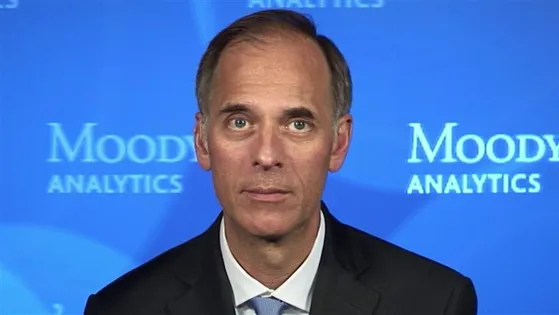
- Moody's economist Mark Zandi warns that U.S
- job growth has stalled since Liberation Day while CPI hit 3.8%, with tariff shocks and Iran War fallout creating a stagflation scenario that makes a recession hard to rule out
With tariff shocks and Iran War fallout hitting simultaneously, Moody's Analytics chief economist Mark Zandi is sounding a recession alarm.
Mark Zandi, chief economist at Moody's Analytics, posted a graph on X on May 4 comparing two U.S. economic indicators since Liberation Day (April 2, 2025 — the day President Trump's sweeping tariffs took effect). The data tells a clear story: job growth has stalled while inflation has accelerated.
Jobs froze, prices climbed
Zandi's graph tracks two metrics from January 2025 onward: average monthly job additions and Personal Consumption Expenditures (PCE) inflation. Both were relatively stable heading into Liberation Day. Since then, they have diverged sharply.
- CPI inflation as of April 2026: 3.8% — nearly double the Fed's 2% target
- Unemployment in April 2026: 4.3% — still low in absolute terms, but trending worse
- More months saw total jobs shrink than grow over the past six months
- Only the non-traded healthcare sector added jobs in any meaningful way
Since Liberation Day, job growth has come to a standstill. Only the non-traded healthcare industry is adding meaningfully to payrolls.
Mark Zandi, X post
Iran War adds another layer
Zandi's recession warning is compounded by the Iran War. Geopolitical shocks typically push energy prices higher and disrupt supply chains, adding inflationary pressure while suppressing consumer confidence. "The trend lines don't look good, especially as the economic fallout from the Iran War hits with full force," Zandi wrote. "The U.S. economy is resilient, but just how resilient is set to be tested."
With tariff shock now layered on top of war-driven commodity pressure, stagflation — low growth with high inflation — is becoming a realistic base case, not a tail risk. The Fed's dual mandate of price stability and full employment is now under stress on both sides simultaneously.
What this means for investors
Stagflation is one of the most challenging environments for traditional portfolios. Stocks get hit by slower earnings growth; bonds get hit by sticky inflation preventing rate cuts. For emerging market investors, dollar strength driven by safe-haven demand adds a currency layer. Zandi stopped short of giving a recession timeline, but his message is clear: if the trend lines don't improve, a contraction is hard to rule out.
Markets are now focused on the next jobs report, the Fed's next policy meeting, and three key variables that will determine which direction the U.S. economy moves: tariff negotiation progress, Iran War escalation risk, and the trajectory of consumer spending.
 EURUSD
Frequently Asked Questions
What is Liberation Day?
April 2, 2025 — the day the Trump administration announced sweeping tariffs on imports. Many economists, including Moody's Zandi, point to this date as when U.S. economic indicators began deteriorating.
What specific data is driving Zandi's recession warning?
Two metrics. First, monthly job additions have stalled since Liberation Day, with more months seeing net job losses than gains over the past six months. Second, CPI inflation hit 3.8% in April 2026 — nearly double the Fed's 2% target. The combination is a stagflation pattern.
How does the Iran War affect the U.S. economy?
Geopolitical conflicts typically push energy prices higher and disrupt supply chains, adding inflationary pressure. Combined with tariffs, the Iran War layered on another source of price shocks while suppressing consumer and business confidence. Zandi specifically cited the war as compounding the tariff damage.
What does stagflation mean for stock investors?
It's one of the worst environments for traditional portfolios. Slower growth pressures corporate earnings while sticky inflation prevents rate cuts that would otherwise support valuations. Growth stocks with high multiples are particularly exposed. Emerging market investors also face dollar strength risk.
What is the Fed's dilemma in this environment?
The Fed's dual mandate requires both price stability (2% inflation target) and maximum employment. With CPI at 3.8%, cutting rates risks making inflation worse. But raising rates could further damage job growth. The Fed is caught between its two mandates, which is why every upcoming policy meeting is closely watched.

Sunday's SEC 8-K Earnings Filings Quiet, but Royal Gold Doubles Net Income and Launches Buyback
 RGLD
RGLDVeritone Earnings Shock Sends Shares Down 23%...York Space Systems Among 25 US Companies Filing SEC 8-K Earnings Reports
 YSS
YSS CODX
CODX IPWR+26
Applied Materials Posts Record Q3 Revenue of $9.1 Billion, All-Time High EPS
 AMAT
AMATWall Street's Defining Moments
See more
Sunday's SEC 8-K Earnings Filings Quiet, but Royal Gold Doubles Net Income and Launches Buyback
RGLDVeritone Earnings Shock Sends Shares Down 23%...York Space Systems Among 25 US Companies Filing SEC 8-K Earnings Reports
YSSCODXIPWR+26Applied Materials Posts Record Q3 Revenue of $9.1 Billion, All-Time High EPS
AMATSmart Money Briefing
Weekly summaries of Wall Street guru moves and crypto whale activity.