Trump Pulls AI Executive Order Hours Before Signing — "I Just Hate Regulation"
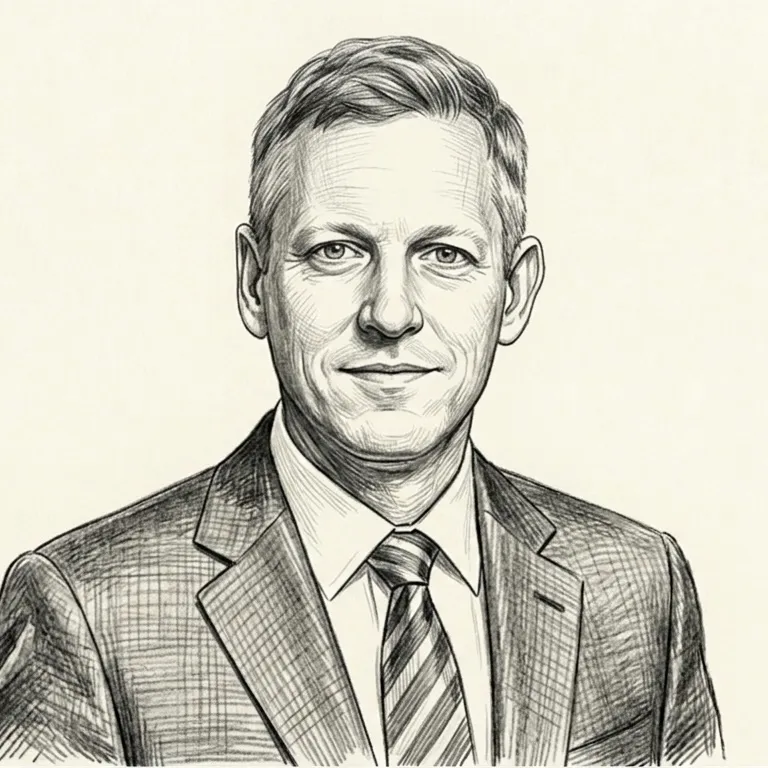
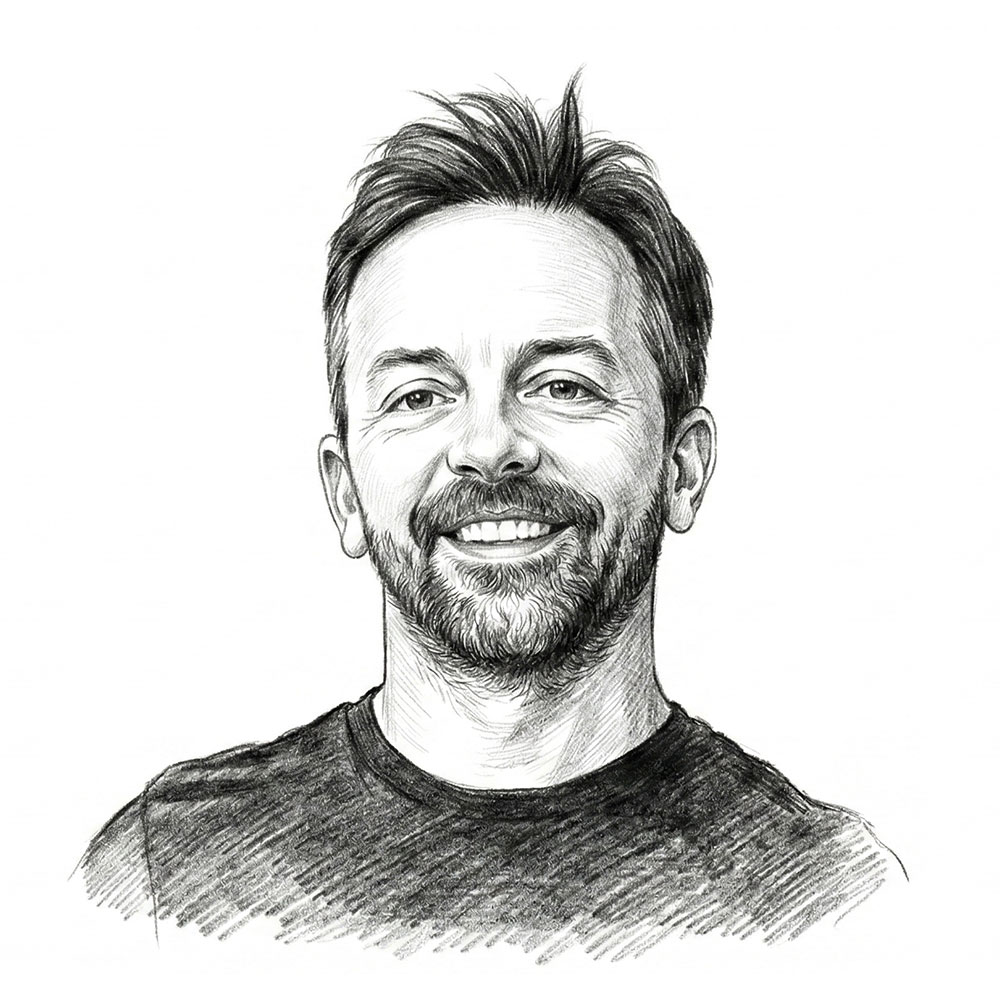
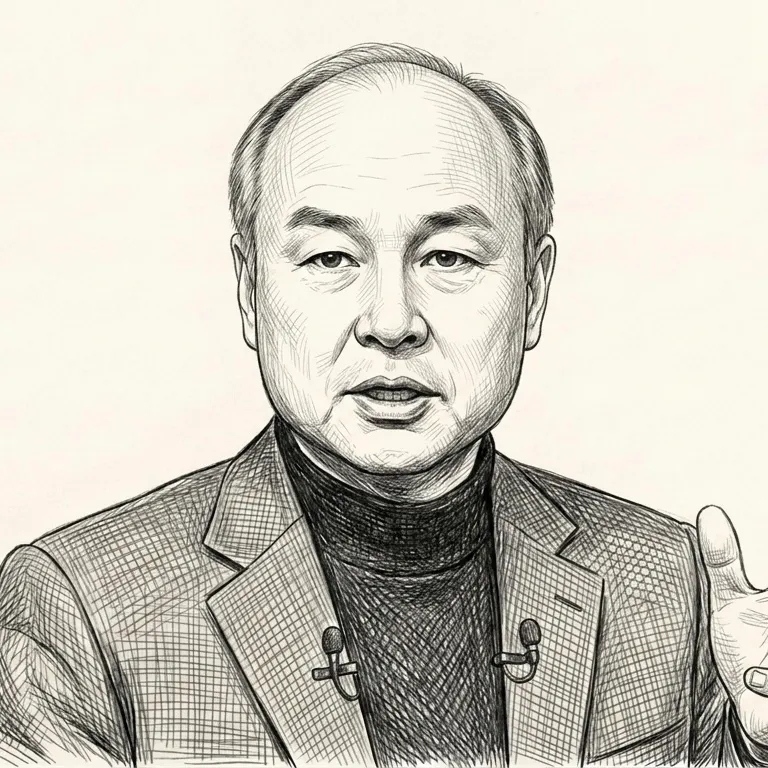
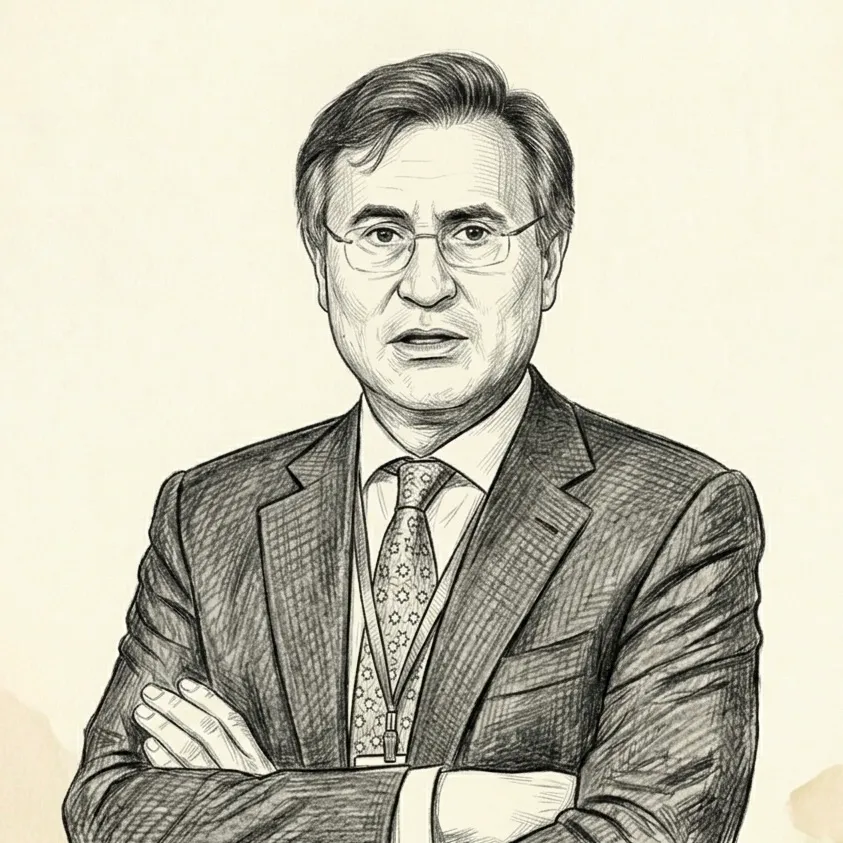
President Trump canceled the signing of a major AI and cybersecurity executive order hours before the ceremony, citing that regulation would interfere with America's AI lead over China. David Sacks, Elon Musk, and Mark Zuckerberg all spoke with Trump the night before.
- Trump canceled a planned AI and cybersecurity executive order hours before signing, after conversations with David Sacks, Elon Musk, and Mark Zuckerberg reinforced his view that AI regulation would hurt America's competitive lead over China
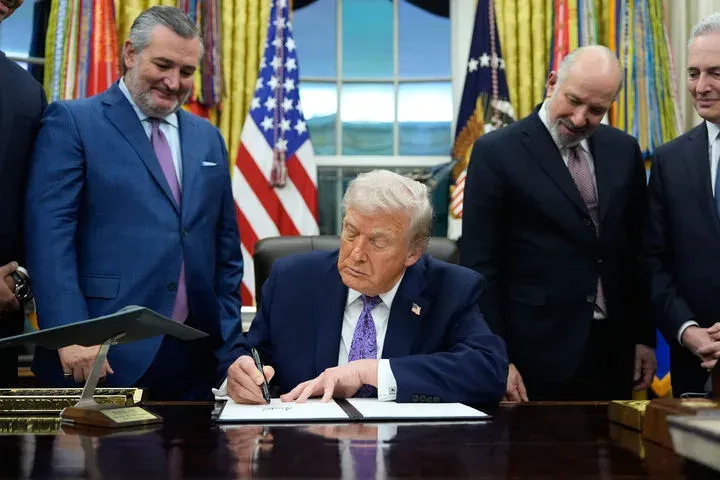
President Trump abruptly canceled the signing of a much-anticipated AI and cybersecurity executive order on May 21, 2026, just hours before the ceremony. AI adviser David Sacks, Elon Musk of xAI, and Mark Zuckerberg of Meta all spoke with Trump the night before and morning of the signing. At the core: Trump simply hates regulation.
A photo op with major AI and tech CEOs had been arranged at the White House. Instead, Trump's aversion to regulation — reinforced by conversations with Sacks and two of the world's most powerful tech executives — killed the event. AI safety advocates who had hoped for movement on AI guardrails were left empty-handed. The accelerationists won again.
Trump in His Own Words
I didn't like certain aspects of it. I postponed it. I think it gets in the way of — you know, we're leading China, we're leading everybody, and I didn't want to do anything to get in the way of that lead.
A source familiar with the discussions told Axios that Trump "just hates regulation" and that Sacks "hated it" too. "The whole thing was unnecessary and just something doomers wanted," the source said.
Sacks, Musk, Zuckerberg — Who Killed the EO?
According to Axios, Meta CEO Mark Zuckerberg, xAI CEO Elon Musk, and AI adviser David Sacks all spoke with Trump between Wednesday night and Thursday morning. None of the companies responded to requests for comment. The available evidence suggests these conversations reinforced — rather than created — Trump's existing hostility toward the order.
What the Pulled Executive Order Contained
- Voluntary AI model safety testing program of up to 90 days before public release
- Treasury Department in a leading role for coordinating security vulnerability disclosures (unusual — CISA and NIST typically lead)
- Rules for frontier AI model voluntary testing and security review
- Provisions on allied-country coordination for AI safety testing
The Treasury Department's starring role was itself a source of criticism. One tech industry source told Axios: "It's not clear just objectively speaking why Treasury is involved and what is their substantive expertise in this area." Traditionally, the Cybersecurity and Infrastructure Security Agency and NIST have handled critical security vulnerability reviews.
What Comes Next — Regulatory Vacuum Likely to Continue
The White House's Office of the National Cyber Director has signaled privately that additional AI security initiatives are in the works beyond the now-postponed executive order. No timeline was given. With anti-AI sentiment growing even within Trump's party — including Steve Bannon's "Humans First" coalition — the political incentive to revisit binding AI rules is limited. The US AI policy landscape will likely remain governed by voluntary frameworks for the foreseeable future.
Frequently Asked Questions
Why did Trump pull the AI executive order?
Trump said he "didn't like certain aspects of it" and postponed it. At its core, Trump "just hates regulation," according to a source familiar with the discussions. Conversations with AI adviser David Sacks, Elon Musk, and Mark Zuckerberg the night before reinforced his decision.
What was in the executive order that was pulled?
The order included a voluntary AI model safety testing program (up to 90 days before release), Treasury-led coordination on cybersecurity vulnerability disclosures, and allied-country cooperation on AI safety testing.
What does "the accelerationists won" mean?
"Doomers" want safety rules imposed before AI advances further; "accelerationists" want to develop as fast as possible without regulations. The EO's cancellation delays binding US AI safety rules, handing a win to the accelerationist camp.
Who is David Sacks?
David Sacks is Trump's AI and crypto adviser, a former PayPal and Yammer executive turned venture capitalist. He is known for opposing AI regulation and favoring an accelerationist approach to AI development.
What happens to US AI policy now?
The White House's Office of the National Cyber Director is reportedly working on additional AI security initiatives, but no timeline was given. For now, US AI policy will likely remain anchored in voluntary testing frameworks run through the Commerce Department's Center for AI Standards and Innovation.
Zero SEC Earnings Filings Filed Aug 3 as AMD, SanDisk, Eli Lilly Earnings Loom; GE Vernova Misses Estimates
 MAR
MAR L
L TSN+12
Philippe Laffont's Q1 2026 Portfolio: TSM Stake Boosted, Full Exit from ORCL, SNOW, and 3 Others
 TSM
TSM GEV
GEV LRCX+7
No SEC Earnings Filings on Aug 2 — Tim Cook's Final Call, Big Tech Earnings Week Ahead
 AAPL
AAPL MSFT
MSFT AMD+2
AMD+2Wall Street's Defining Moments
See more
Sunday's SEC 8-K Earnings Filings Quiet, but Royal Gold Doubles Net Income and Launches Buyback
 RGLD
RGLDVeritone Earnings Shock Sends Shares Down 23%...York Space Systems Among 25 US Companies Filing SEC 8-K Earnings Reports
 YSS
YSS CODX
CODX IPWR+26
Applied Materials Posts Record Q3 Revenue of $9.1 Billion, All-Time High EPS
 AMAT
AMATSmart Money Briefing
Weekly summaries of Wall Street guru moves and crypto whale activity.