CVS Health Q1 2026 Revenue Hits $100.4B, Up 6.2% YoY
CVS Health reported Q1 2026 revenue of $100.4 billion, up 6.2% year-over-year. GAAP EPS surged 63% to $2.30 from $1.41, while the company raised full-year guidance across key metrics.
- CVS Health reported Q1 2026 revenue of $100.4B, up 6.2% YoY, with GAAP EPS surging 63% to $2.30
- Stock rallied 7.65% on improved Aetna margins and full-year guidance raised to $7.30–$7.50 adjusted EPS
CVS Health (NYSE: CVS) reported Q1 2026 revenue of $100.4 billion in an SEC 8-K filing, representing a 6.2% increase versus the prior-year period.
📊 Stock Price at Article Time (May 7, 2026, 7:00 AM KST)
$86.86 ▲ +7.65%
~₩125,773 (1,448 KRW/USD)
Q1 Earnings at a Glance
All business segments posted revenue growth. Notably, profitability in the health insurance division—anchored by subsidiary Aetna—improved substantially. Adjusted operating income (excluding one-time items) climbed 12.5% versus the prior year.
- Revenue: $100.4 billion, +6.2% YoY
- GAAP EPS: $2.30, up 63% from $1.41 prior year
- Adjusted EPS (ex one-time items): $2.57, up 14.2% from $2.25 prior year
- Operating income: $4.68 billion, +38.7% YoY
- Adjusted operating income: $5.15 billion, +12.5% YoY
- Operating cash flow: $4.2 billion
Full-Year 2026 Guidance
CVS Health raised its full-year 2026 outlook. GAAP EPS guidance was increased from $5.94–$6.14 to $6.24–$6.44. Adjusted EPS guidance was raised from $7.00–$7.20 to $7.30–$7.50. Operating cash flow guidance was lifted to a minimum of $9.5 billion from $9.0 billion. Full-year revenue guidance was set at a minimum of $405 billion. However, the company noted it remains cautious on the second half given persistent cost inflation and lingering macroeconomic uncertainty. CEO David Joyner stated, "We will continue to build growth momentum through disciplined strategy execution."
Market Reaction
The day after earnings (May 7, 7:00 AM KST), CVS stock climbed 7.65% to $86.86. Investor's Business Daily attributed the rally to improved Aetna profitability and the company's exit from the ACA individual insurance market. Morningstar cited margin improvement in the health insurance segment as the key driver. International media outlets also highlighted management commentary suggesting the company can achieve its Medicare Advantage margin targets by 2028.
Segment Performance
- Health Insurance (incl. Aetna): Revenue $35.97 billion, +3.3% YoY. Adjusted operating income $3.04 billion, +52.6% YoY
- Medical Benefits Ratio (MBR): 84.6%, improving 270 basis points from 87.3% prior year
- Health insurance members: 26 million, down ~600k from year-end (due to ACA market exit)
- Healthcare services and pharmacy segment: All divisions posted revenue gains (partial details provided in SEC filing)
This article was auto-generated from SEC 8-K filings and third-party news reports to deliver key data immediately following earnings release. Investors are encouraged to review official company filings before making trading decisions. Stock price reflects the article publication timestamp and may differ from current levels.
 CVS
CVSFrequently Asked Questions
What business segments does CVS Health operate?
CVS Health is an integrated healthcare company operating three core divisions: pharmacy (largest drugstore chain in the U.S.), health insurance (via subsidiary Aetna), and pharmacy benefit management. This diversified model spans retail, insurance, and drug administration services.
Why is adjusted EPS different from GAAP EPS?
GAAP EPS includes all charges, including one-time items like litigation settlements and asset sale losses. Adjusted EPS excludes these non-recurring items to better reflect underlying operational performance. For Q1 2026, CVS reported GAAP EPS of $2.30 versus adjusted EPS of $2.57.
What does a lower medical benefits ratio (MBR) mean?
MBR measures the percentage of premiums paid out as medical claims. A lower ratio means the insurer retains more profit. CVS's Aetna improved its MBR from 87.3% to 84.6% this quarter—meaning for every $100 in premiums, claims dropped from $87.30 to $84.60, significantly improving profitability.
Why did CVS exit the ACA individual insurance market?
The ACA marketplace proved unprofitable for CVS due to higher-than-expected member medical costs. Exiting this segment reduced the enrolled population by ~600k members but substantially improved the insurance division's overall margin profile, demonstrating a shift toward higher-margin business.
What does the guidance raise signal about CVS's outlook?
The raised full-year guidance (adjusted EPS now $7.30–$7.50 from $7.00–$7.20) reflects management confidence in sustained operational improvement, particularly from Aetna. However, the company remains cautious on H2 due to cost pressures and macro uncertainty, signaling a balanced but optimistic posture.


NIO Q1 2026 Earnings: Record 18.8% Vehicle Margin — Can the Battery Swap Network Hold Off China's EV Price War?
 NIO
NIO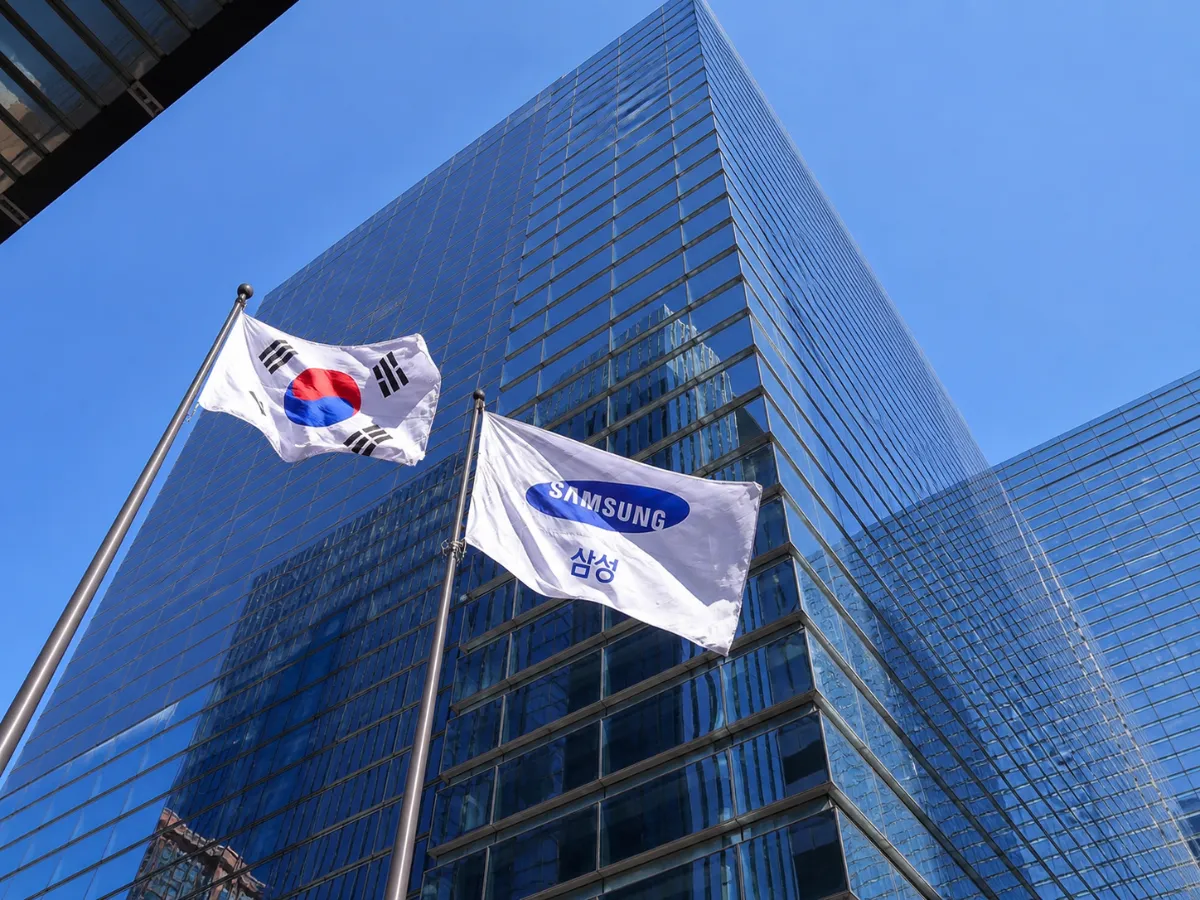
Samsung Electronics Reaches Last-Minute Labor Deal — Bonus Reform Agreed, Semiconductor Shutdown Averted
 005930
Danaher to Acquire Masimo for $9.9 Billion — Q1 Revenue Beats at $6 Billion
 DHR
DHR MASI
MASIWall Street's Defining Moments
See more







Smart Money Briefing
Weekly summaries of Wall Street guru moves and crypto whale activity.