KOSPI Up 78% YTD: Global Capital Just Rotated Into Asia
KOSPI is up 78% YTD, among the world's best-performing markets. The AI-hardware supply chain — Samsung Electronics, SK hynix, TSMC — is doing the heavy lifting. JPMorgan calls Taiwan the most efficient AI exposure.
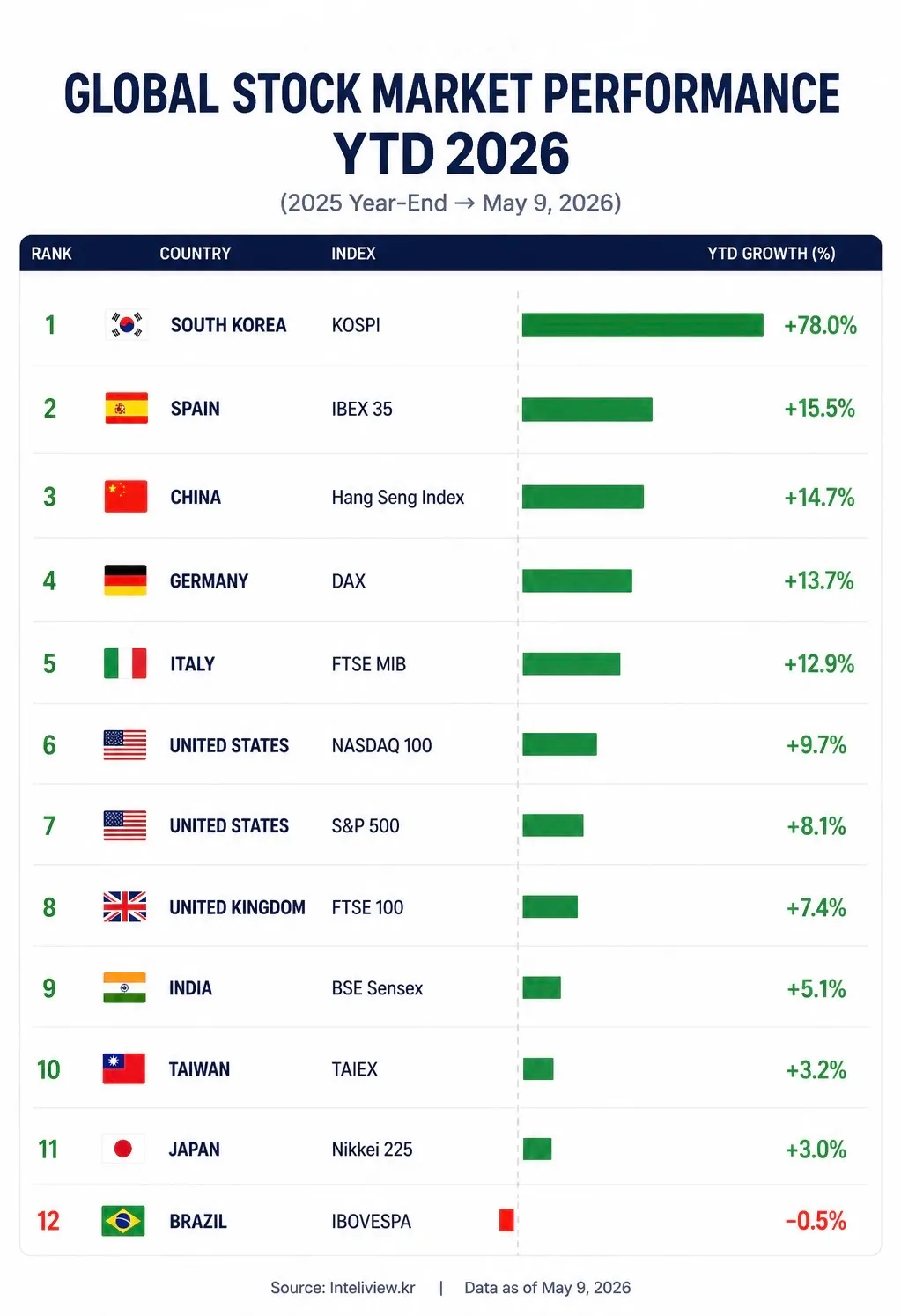
- KOSPI +78% YTD, among the world's top-returning markets
- Samsung Electronics, SK hynix, and TSMC anchor the AI-hardware supply-chain bid
- JPMorgan and Société Générale recommend bullish option structures
Samsung Electronics, SK hynix, TSMC drive the AI-hardware rally · JPMorgan: "Taiwan is the most efficient AI exposure"
Global investors and derivatives strategists are pointing to Asia as the next leg of the rally. The KOSPI is up 78% YTD, ranking among the world's top-performing markets this month. Taiwan's TAIEX is on the same wave. The common denominator: the AI hardware supply chain.
"Vol up, spot up" — a once-in-25-years setup
The synchronous KOSPI and TAIEX rally has produced an unusual market structure. Typically when prices rise, volatility (option premiums) falls. Right now both are rising together — the rare "vol up, spot up" regime.
The intensity of this move is producing an extreme reversal vs. the prior trend, and the pattern can continue until a correction shows up.
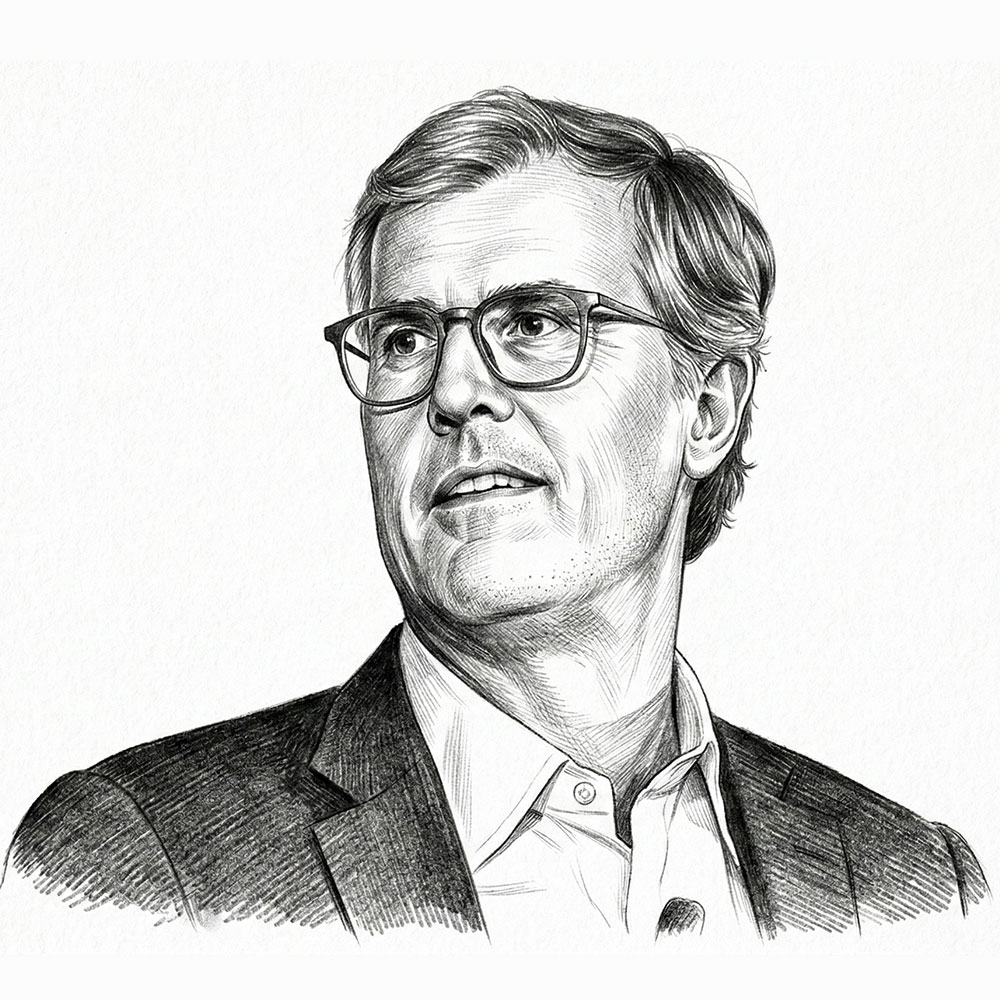
Junkyun Jeon, Derivatives Analyst, Samsung Securities
Equity-derivatives strategists at JPMorgan and Société Générale are recommending bullish option structures to harvest this regime.
Samsung, SK hynix, TSMC — the beneficiaries
The names benefiting are clear: Samsung Electronics, SK hynix, and TSMC have become the AI-rally core. All three supply HBM memory or leading-edge foundry, both of which are mandatory for AI accelerators. A single Nvidia GPU integrates tens of gigabytes of HBM. As AI data-center demand grows, the orders flowing into these companies grow structurally.
Hardware is the foundation of the AI theme, and Taiwan is the most efficient index-level vehicle for investors to take exposure to that growth.
Why India is left behind — the cost of low AI exposure
Same Asia-Pacific zip code, opposite direction. India's S&P BSE Sensex is down 9.3% YTD, among the world's worst returns. The cause is structural — energy, financials, and consumer staples dominate, while AI-hardware supply-chain names are largely absent. With Middle East geopolitical risk easing and capital concentrating into AI infrastructure, oil-sensitive markets with no AI exposure got left behind. Even within EM, AI supply-chain positioning is what split the returns.
China ETFs see bullish positioning ahead of the Trump-Xi summit
Geopolitics matters too. With AI policy expected to be a headline agenda at the upcoming Trump-Xi summit, investors are adding bullish positions in US-listed China ETFs — iShares China Large-Cap (FXI) is the main target. Interactive Brokers has also started offering US retail investors direct access to Korean stocks, broadening the inflow channel into KOSPI names.
What this says
The KOSPI's 78% move is not a rebound. It reflects where the AI hardware supply chain is concentrated. As long as Samsung and SK hynix supply HBM and TSMC fabricates leading-edge chips, Korea and Taiwan stay at the center of the global AI investment cycle — that is not a short-term setup. The "vol up, spot up" signal in options says there is upside momentum left in the rally; it also says volatility on the eventual correction will be larger.
Frequently Asked Questions
Is the 78% KOSPI rally sustainable?
As long as the AI data-center investment cycle holds, HBM and foundry demand is structurally supported. The catch: "vol up, spot up" historically also marks late-cycle overheating, so leave room for short-term volatility expansion.
Why does JPMorgan call TSMC "the most efficient AI exposure"?
TSMC fabricates 90%+ of the leading AI chips for Nvidia, AMD, and Apple. Each unit of AI accelerator demand flows directly into TSMC revenue. It's the cleanest single-name way to take exposure to the AI hardware layer overall.
Why is India not benefiting from the same AI rally?
India's index is dominated by financials, consumer staples, and energy, with very few semiconductor or hardware names. The HBM/foundry layer that anchors the AI supply chain isn't there, so global AI capital naturally rotates into Korea and Taiwan instead.
How can a foreign investor get direct exposure to Korean equities?
Beyond domestic broker access to KOSPI, US-listed EWY (iShares MSCI South Korea ETF) is the standard indirect route. Interactive Brokers has also recently begun offering US retail investors direct access to Korean stocks.







Wall Street's Defining Moments
See more





Smart Money Briefing
Weekly summaries of Wall Street guru moves and crypto whale activity.