
SpaceX-Tesla Merger Rumors: Is This Musk's Endgame? 4 Factors Investors Must Watch
After SpaceX's $2 trillion IPO announcement, Tesla merger speculation has surged. Musk's 50% voting power via dual-class shares means he could execute a merger if he wants — but antitrust scrutiny and operational complexity are the biggest risks.
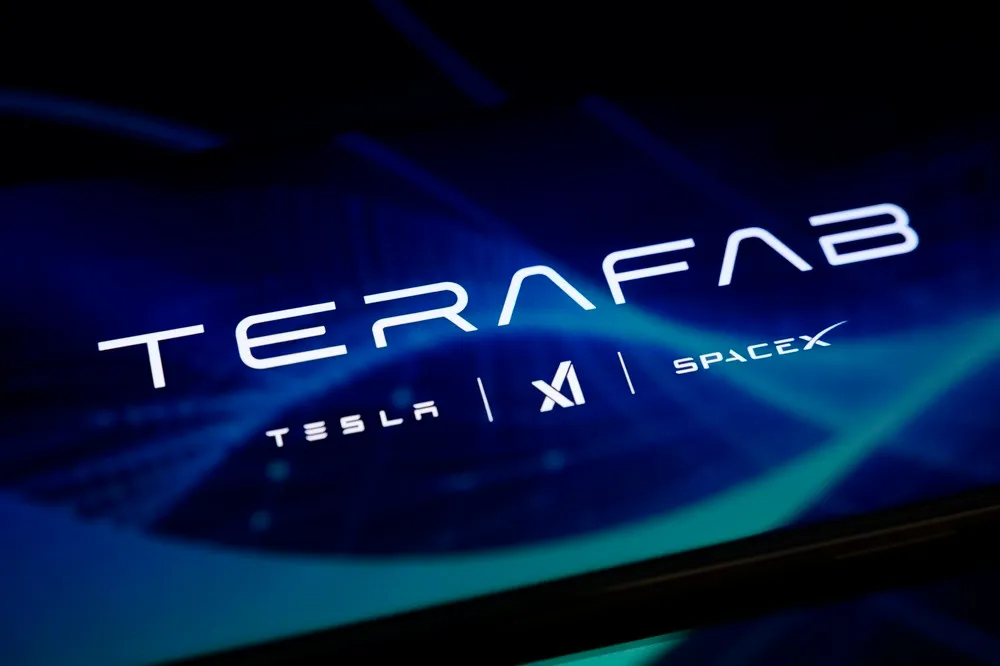
- After SpaceX's $2 trillion IPO announcement, Tesla merger speculation has surged on Wall Street
- Musk's 50% voting power makes execution feasible, but antitrust scrutiny and operational complexity are the biggest hurdles
After SpaceX's $2 trillion IPO announcement, speculation about a Tesla merger has spread quickly on Wall Street. If it happens, it would create the largest conglomerate in history — spanning rockets, EVs, AI, and robotics.
Elon Musk's SpaceX is targeting a $75 billion IPO that would value the company at approximately $2 trillion — the largest IPO in history. Since the announcement, a single hypothesis has spread rapidly: Musk intends to merge SpaceX with Tesla after the listing.
1. Can One Company Really Do All of This?
The combined entity's business portfolio would be staggering: rocket launches, Starlink satellite internet, xAI model training, Optimus humanoid robots, robotaxis, self-driving software, battery production, and EV sales. Synergies exist — SpaceX's manufacturing capabilities could accelerate Optimus production, and Tesla vehicles could run xAI models — but any one of these is difficult to manage alone.
2. Government Scrutiny: From Defense to Autonomous Vehicles
Both companies have extensive ties to the federal government. SpaceX holds multi-billion dollar contracts with the DoD and NASA, while Tesla's self-driving technology faces intense scrutiny from the NHTSA. A merged entity would need to navigate the full alphabet soup of federal agencies, facing antitrust allegations and renewed political risk with every change in administration.
3. Dual-Class Share Structure Gives Musk Total Control
SpaceX uses a dual-class structure where Class B shares carry 10 votes per share versus Class A shares sold to retail investors. Post-IPO, Musk retains 50% of total voting power and the ability to appoint, remove, or fill any board vacancy. The company has also adopted mandatory arbitration, limiting class action suits. This structure makes a Tesla merger far easier to execute — if Musk wants it.
4. Does a Merger Simplify Musk's Life — or Complicate It?
In theory, a merger consolidates Musk's empire under one roof. In practice, Tesla is losing market share to Chinese competitors while SpaceX burns $1 billion per month scaling xAI. Neither company can afford unforced errors right now. The question isn't whether a merger is possible — it's whether the timing makes sense.
 TSLA
TSLAFrequently Asked Questions
What is SpaceX's IPO target valuation?
SpaceX is targeting a $75 billion fundraise that would value the company at approximately $2 trillion — the largest IPO in history.
What businesses would a merged SpaceX-Tesla operate?
Rocket launches, Starlink satellite internet, xAI AI models, Optimus humanoid robots, robotaxis, autonomous driving software, battery production, and EV sales — all under one company.
Would Musk retain control after a merger?
Yes. SpaceX's dual-class share structure gives Musk 50% of voting power post-IPO, including the ability to appoint and remove board members. He can push a merger through without majority shareholder approval.
What are the biggest risks of a merger?
Regulatory risk and operational complexity. Both companies have significant government exposure — DoD contracts, NASA, NHTSA — and face potential antitrust scrutiny. Managing this many high-stakes businesses simultaneously is the other major concern.
What should Tesla investors watch?
Monitor SpaceX's IPO progress, antitrust signals from regulators, and both companies' cash flow trajectories. Given Musk's voting power, if he decides to move forward, it could happen quickly.


David Shaw's Q1 2026 Portfolio: New SPY, QQQ Buys, AVGO Stake Expanded 127%
 NVDA
NVDA MSFT
MSFT AVGO+7
Two Sigma Q1 2026 Portfolio — NVDA Up 832%, Exits AZN and 4 Others
NVDA AAPL
AAPL AMZN+7
Philip Morris, Moody's, GE Vernova Among 25 Firms Filing SEC 8-K Earnings Reports — Southwest, Westinghouse Also Report
 PM
PM PHM
PHM CALM+26
Wall Street's Defining Moments
See more


Sunday's SEC 8-K Earnings Filings Quiet, but Royal Gold Doubles Net Income and Launches Buyback
 RGLD
RGLDVeritone Earnings Shock Sends Shares Down 23%...York Space Systems Among 25 US Companies Filing SEC 8-K Earnings Reports
 YSS
YSS CODX
CODX IPWR+26
Applied Materials Posts Record Q3 Revenue of $9.1 Billion, All-Time High EPS
 AMAT
AMATSmart Money Briefing
Weekly summaries of Wall Street guru moves and crypto whale activity.