The Real Reason Buffett Bought Coca-Cola
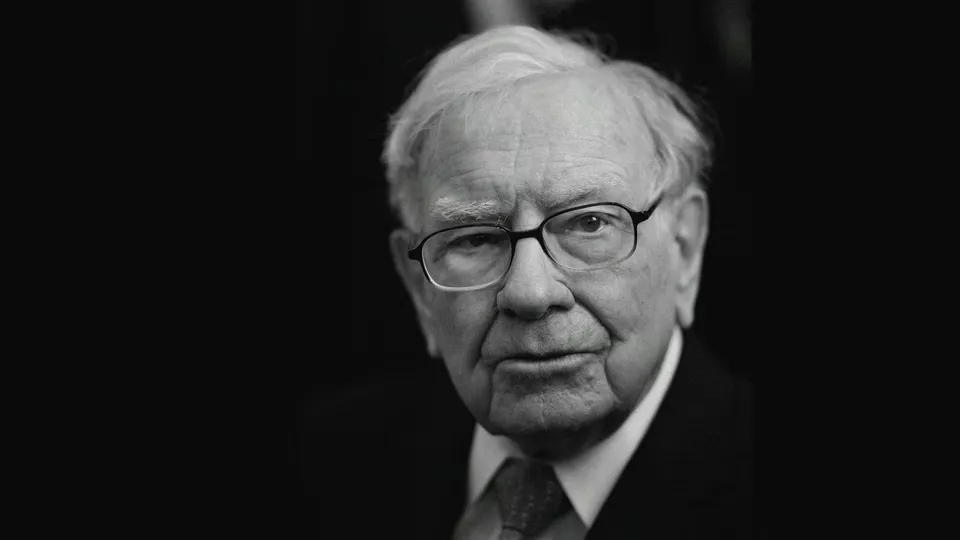
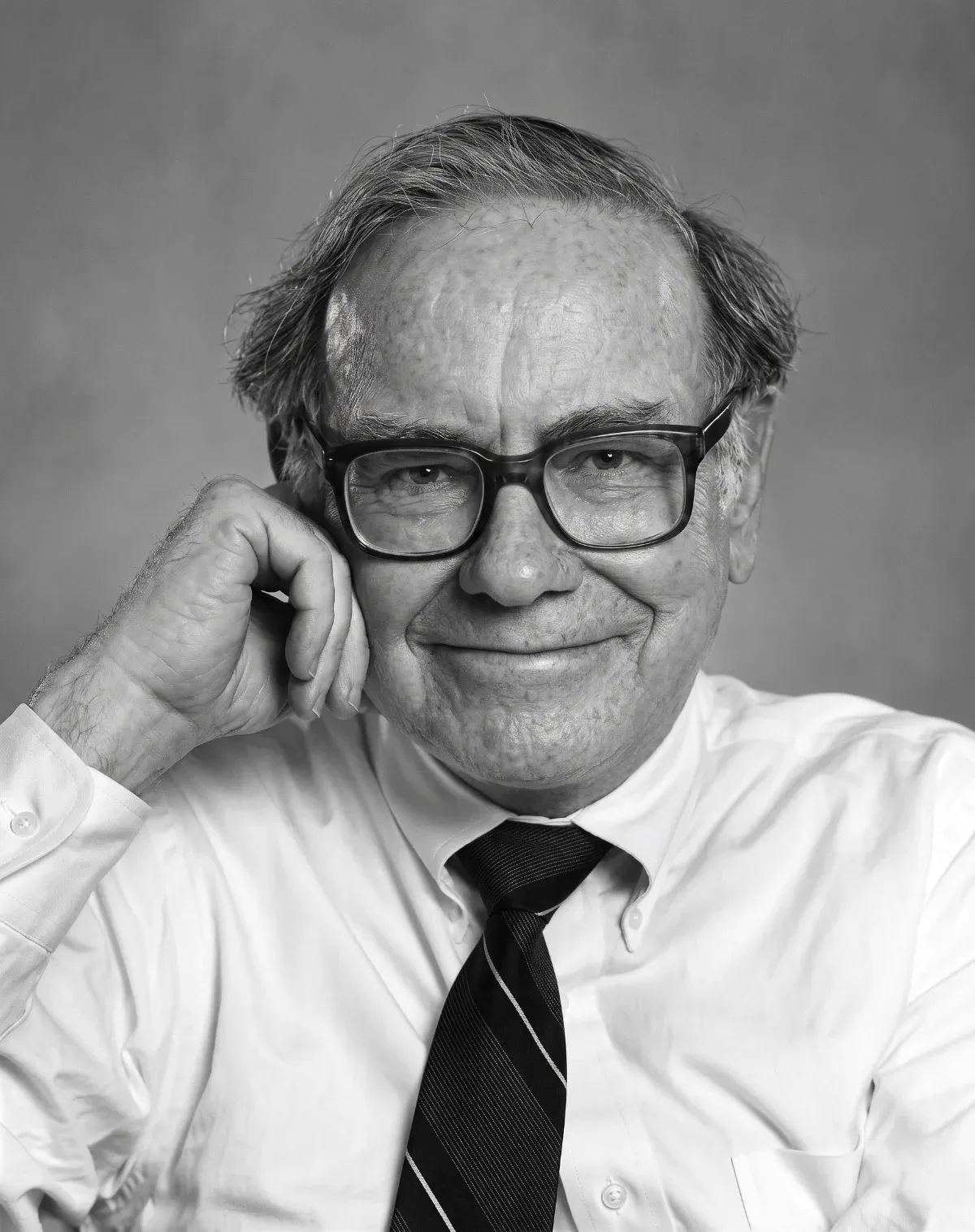
Fall 1988 — a man began buying shares in a drink he had consumed for five years. Wall Street whispered he was aging, his judgment slipping. He poured in $1 billion. This is the record of the moment Warren Buffett made the largest single investment of his life.
The Real Reason Buffett Bought Coca-Cola
1. One Year After Black Monday
October 1988. The mood on Wall Street was still dark.
Exactly one year earlier, on October 19, 1987, the Dow had plunged 22.6% in a single day — the worst day in history. Black Monday. Program trading and portfolio insurance had fed each other into a market collapse, and investors hadn't yet recovered from the shock.
Throughout 1988, markets moved cautiously. There was a rebound, but it was slow. Many institutional investors were holding cash with reduced equity exposure. The fear that "it could collapse again" hadn't left.
In that kind of market, a man in Omaha quietly began buying one stock.
Coca-Cola (KO).
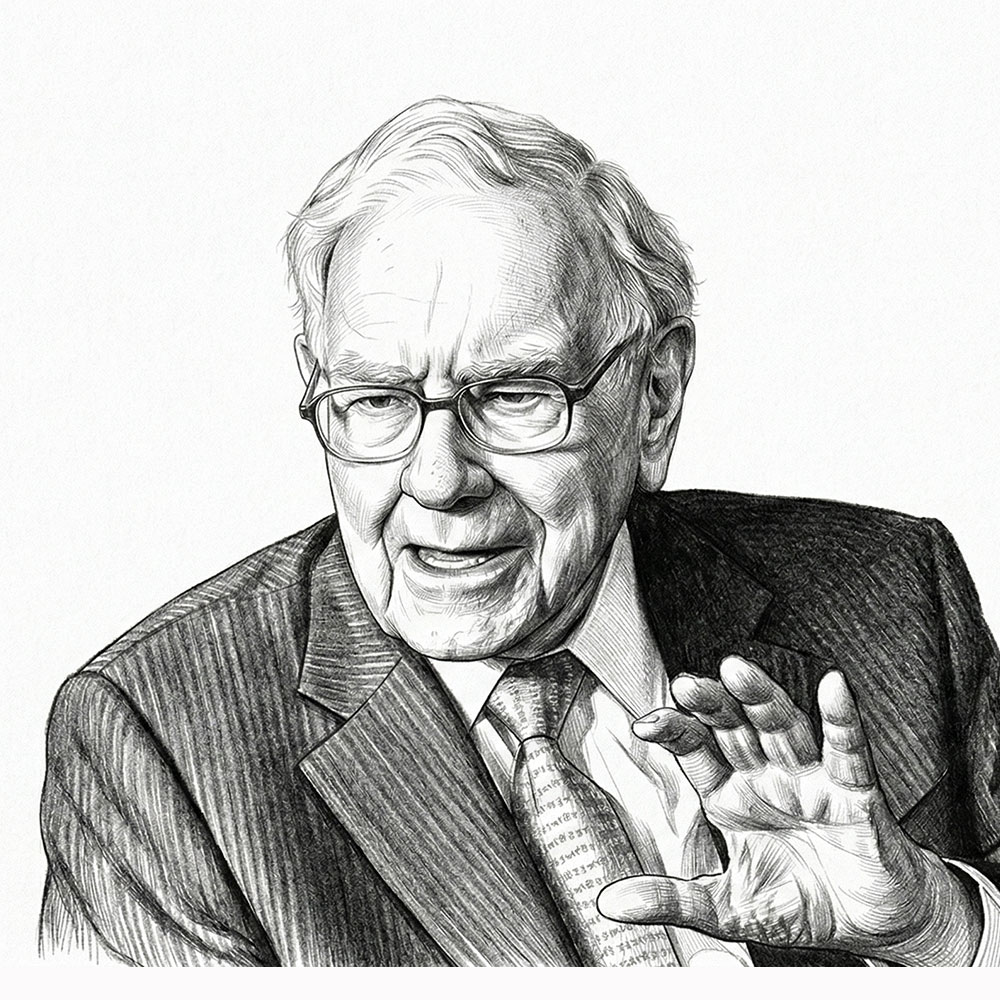
Buffett was 58 at the time — chairman of Berkshire Hathaway, already one of America's most famous investors. From the second half of 1988 through spring 1989, he accumulated $1.023 billion worth of Coca-Cola shares — 25% of Berkshire's net worth at the time.
Wall Street was baffled.
First, the amount was enormous. One-quarter of net worth in a single stock — his largest concentration since GEICO.
Second, the stock choice was strange. Coca-Cola was already a 100-year-old company. Not a growth stock — a mature stock. By Wall Street standards, "stable but boring." And Buffett paid 15x earnings, above the market average.
"Buffett overpaid for a boring stock." That was Wall Street's initial verdict.
Buffett himself wrote a short line in his shareholder letter:
"We purchased a substantial amount of Coca-Cola stock. We plan to hold it forever."
2. Five Years of Drinking the Product
In truth, Buffett's Coca-Cola purchase wasn't a sudden decision made in 1988.
He had been preparing for five years.
In 1985, Coca-Cola launched a new product: Cherry Coke — the classic formula with added cherry flavoring. Shortly after launch, Buffett tried a can. Then he stopped drinking Pepsi — the drink he'd been a devoted fan of his entire life.
"This tastes better." That was his verdict.
From that year on, he drank Cherry Coke every day — at the Berkshire Hathaway annual meeting, in the office, at home. An average of five cans a day. He still maintains the habit today.
But drinking something and investing in it are different things. Between 1985 when he started drinking Cherry Coke and 1988 when he started buying the stock, there was a three-year gap.
During those three years, he watched Coca-Cola.
What was he watching?
The speed of international expansion. In the 1980s, Coca-Cola's U.S. market was maturing, but overseas it was just beginning. Japan, Germany, Brazil — and especially the East Asian markets beginning to open up. Buffett checked these numbers every quarter.
The brand's pricing power. Coca-Cola could raise prices without losing volume. Economists call this "price inelasticity." In Buffett's terms: a "moat" — a defensive barrier competitors couldn't breach.
The CEO change. In 1981, Roberto Goizueta took over as CEO. A Cuban-born chemical engineer, he restructured the company — divesting non-core businesses, aggressively buying back shares, and driving ROE into double digits.
This is what Buffett had been watching for five years: the most ordinary beverage company transforming under an extraordinary manager.
3. The New Coke Disaster
In 1985, Coca-Cola made the biggest blunder in its history.
New Coke. After 99 years, the company changed its formula — sweeter, smoother. The decision was based on taste tests showing New Coke beat Pepsi.
The result was a catastrophe.
Consumers exploded. The company received 1,500 complaint calls a day. Protests erupted in the South. Some consumers hoarded hundreds of cans of the original. Seventy-nine days after New Coke's launch, the company announced it was returning to the original formula — renamed "Coca-Cola Classic."
Wall Street interpreted it as a management failure. The stock wobbled.
But Buffett read it the opposite way.
"This paradoxically proved the strength of the brand."
His logic: most companies can change their products without consumers noticing. Who protests when Colgate changes its toothpaste formula? But when Coca-Cola's taste shifted slightly, the entire nation revolted. That means this isn't just a soft drink — it's part of the culture.
He also viewed the management's rapid acknowledgment and reversal of the mistake positively. "A great manager isn't someone who never makes mistakes. It's someone who fixes mistakes fast."
After the New Coke episode, Buffett's conviction in Coca-Cola only grew stronger.
4. "Why Didn't I Buy Sooner"
In the fall of 1988, he actually started buying.
The purchases were kept secret. Until Berkshire's stake crossed the SEC disclosure threshold, Buffett accumulated quietly. When the position was disclosed in early 1989, the market was shocked.
Berkshire held 6.3% of all Coca-Cola shares outstanding. Total cost: $1.023 billion — one of the largest single-stock investments in history at the time.
"What on earth did Buffett see to buy that much?"
Analysts dove back into Coca-Cola's financials. P/E of 15x. Dividend yield of 1.5%. Growth rate not explosive. The numbers alone didn't explain it.
In 1993, Buffett explained his decision in the shareholder letter:
"I'm not proud that I bought Coca-Cola in 1988. My real mistake was that I had been watching this company since the 1970s and didn't buy until 1988. I wasted fifteen years."
He didn't praise his investment. He criticized himself for being too late.
And added:
"By the time you have conviction, it's already at an expensive price. But great companies go much further and for much longer than you think. Missing a great company because it's 'a little expensive' is a far bigger mistake than buying a mediocre company at a bargain price."
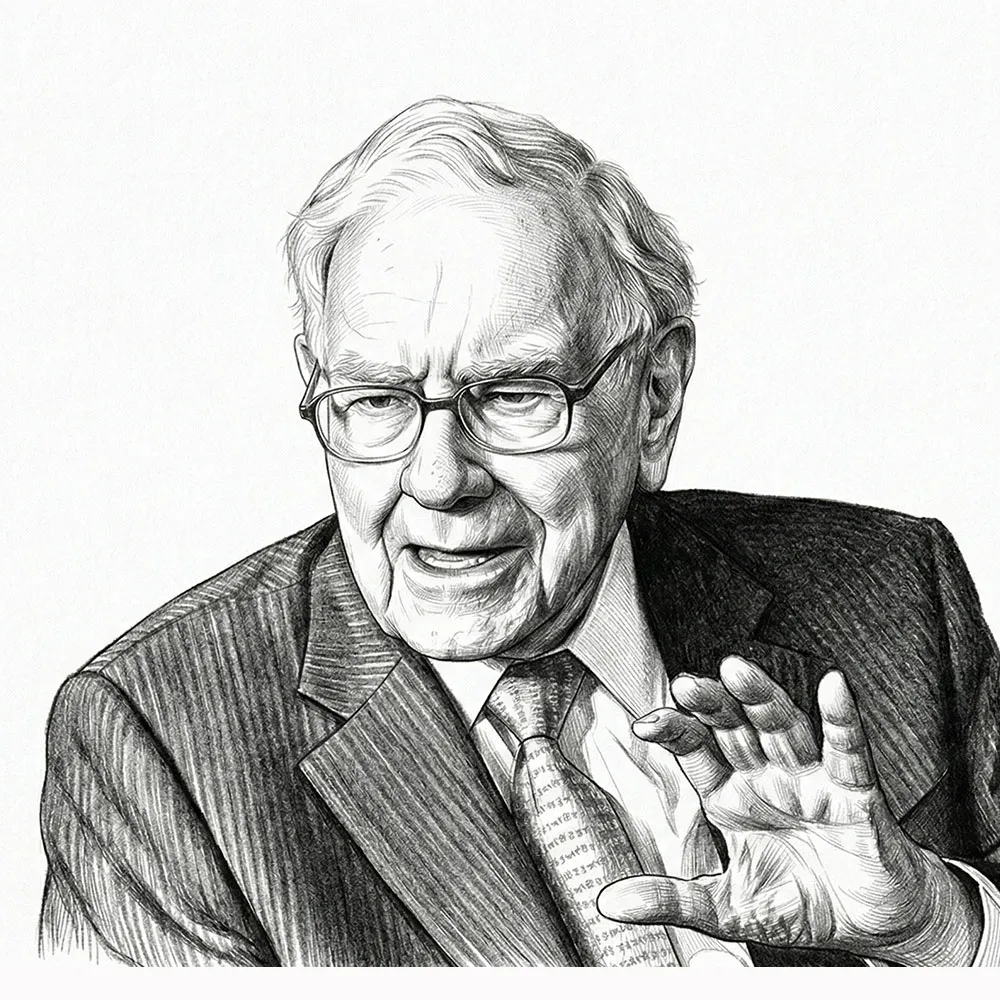
October 1988. You are Buffett at 58. The market has yet to recover from the shock of Black Monday. In front of you sits a single stock — a 100-year-old beverage company. Widely considered boring. Trading at a P/E of 15x, above the market average. Yet you've spent five years studying this company, and you know its moat is enormous.
5. The Results
The numbers, over time, on those Coca-Cola shares bought in 1988:
1988 purchase cost: $1.023 billion
1998 value (10 years later): ≈$13.4 billion
End of 2024 value (excluding dividends): ≈$25 billion
13x in 10 years. 24x in 36 years. Plus tens of billions in cumulative dividends received separately.
The Coca-Cola shares Berkshire holds today are the same shares bought in 1988. Not one share has been sold. In 36 years.
That line Buffett wrote in the shareholder letter: "We plan to hold it forever." He actually held it forever.
Once you've made your choice, reveal what the legend actually did
6. Three Lessons This Story Left Behind
First, great companies should be bought at a fair price. Benjamin Graham, the godfather of value investing, emphasized "cheap price." Buffett was Graham's student — but in the Coca-Cola investment he modified his teacher's principle. He put it this way: "It's far better to buy a wonderful company at a fair price than a fair company at a wonderful price." Chasing only cheap stocks and missing truly great companies is the most common investor mistake. If there's a stock you're telling yourself you "can't buy because it's too expensive," look at that price again in ten years. There's a reasonable chance today's price will look like the bottom.
Second, watch long enough before you buy. Buffett waited three years from when he first drank Cherry Coke in 1985 to when he began buying, and acknowledged he had been watching the company since the 1970s — more than 15 years of observation before committing 25%. Modern retail investors do the opposite: they buy the day they see a stock recommendation on social media, or the day after. Putting big money into a company you haven't watched long enough isn't investing — it's gambling. If a company catches your eye, don't buy it today. Put it on a watch list. If your conviction is the same in a year, buying then won't be too late.
Third, not selling may be the best strategy. Most of the gains Buffett earned from Coca-Cola came not from the decision to buy in 1988 but from the decision not to sell for the 36 years after. Buying is one moment's judgment; holding is tens of thousands of judgments. When prices fell, when markets shook, when more exciting stocks appeared — he didn't sell. Most retail investors do the opposite: they sell at 10% gains and sell at 5% losses. They voluntarily surrender 95% of the money they could earn in a lifetime. The miracle of compounding comes from holding, not buying.
- 버핏의 선택
- 순자산 25% 집중 투자, 36년 보유
- 월스트리트 평가
- "비싼 가격에 지루한 주식" — 회의적
- 최종 결과
- $10.2억 → $250억 + 배당 $7.76억/년
7. Cherry Coke Today
In 2024, Buffett at 94 still drinks Cherry Coke every day — five cans. Berkshire Hathaway's Coca-Cola stake is still 400 million shares, roughly 9.3% of the company. The same as when he bought.
And as of 2024, the annual dividend this single holding generates for Berkshire is approximately $776 million — meaning Berkshire now receives 75% of its original 1988 investment back every year in dividends alone. Without touching the principal.
Buffett announced at the May 2025 annual meeting that he would step down as CEO by year-end. His successor: Greg Abel. A new era for Berkshire begins.
But one thing won't change. The Coca-Cola shares won't be sold. Buffett set that rule himself. "Even after I hand over to Abel, this position stays."
A man who drank one can of Cherry Coke in 1985. Watched for three years. Invested a billion dollars. Held for 36 years.
And all he did during those 36 years was drink the product every day.
Sources
Berkshire Hathaway Annual Letters (1988, 1989, 1993, 2011)
Alice Schroeder, The Snowball: Warren Buffett and the Business of Life (2008)
Roberto Goizueta interview, Fortune (1997)
Coca-Cola Company Annual Report (1985–1989)
Robert Hagstrom, The Warren Buffett Way (1994)
What's your take on this story?
What do you think about Warren Buffett's decision?
Sign in to participate
Sign InWarren Buffett Today
Where is Warren Buffett investing right now? See their latest 13F portfolio and current convictions.