Buffett's $5 Billion Bet on Goldman Sachs in 5 Minutes
September 2008 — the week after Lehman Brothers collapsed. Goldman's CFO called a man in Omaha. The call lasted under five minutes. Those five minutes changed a chapter of American financial history.
Buffett's $5 Billion Bet on Goldman Sachs in 5 Minutes
1. The Week the World Collapsed
Monday, September 15, 2008. Lehman Brothers filed for bankruptcy.
A 158-year-old investment bank. $639 billion in assets. 25,000 employees. That giant fell over a weekend. The U.S. government decided not to bail it out. That was the weekend the phrase "too big to fail" broke.
The next day, Tuesday, AIG received a government bailout. The Federal Reserve pumped in $85 billion on an emergency basis. Thursday, $140 billion was pulled from money market funds in a single day. The entire American financial system was convulsing.
All week, speculation swirled about which domino would fall next. Two names were circulated.
Morgan Stanley. And Goldman Sachs.
Both were investment banks. Both relied on short-term funding. And both had seen their stock prices cut in half.
Thursday, Goldman's share price fell 14% in one day. Friday was worse. Sell orders were piling up before markets opened.
Goldman's executives realized, heading into the weekend: if they faced Monday in this state, their company could be the next Lehman.
2. The Call to Omaha
Tuesday afternoon, September 23, 2008.
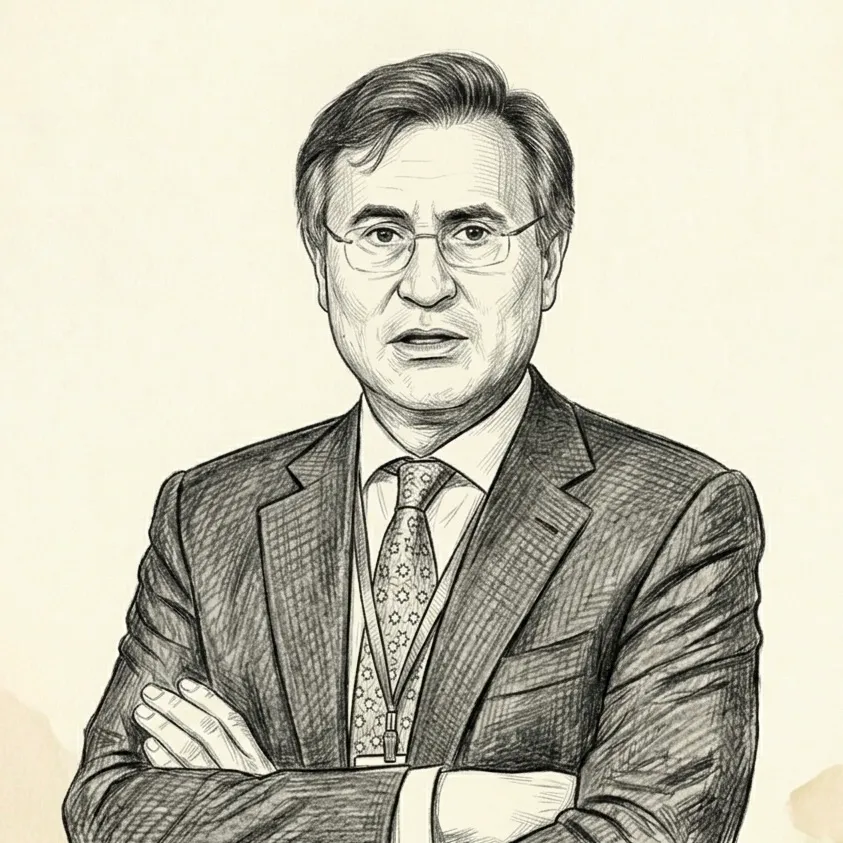
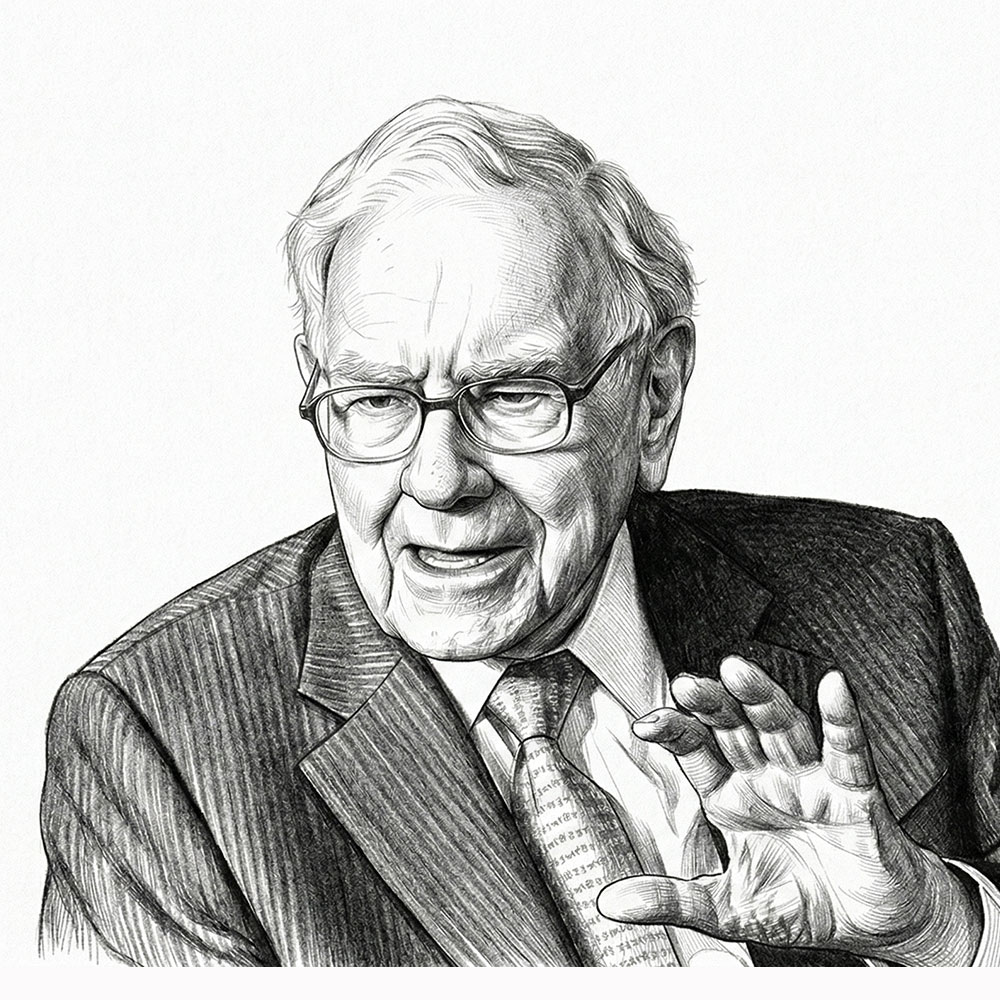
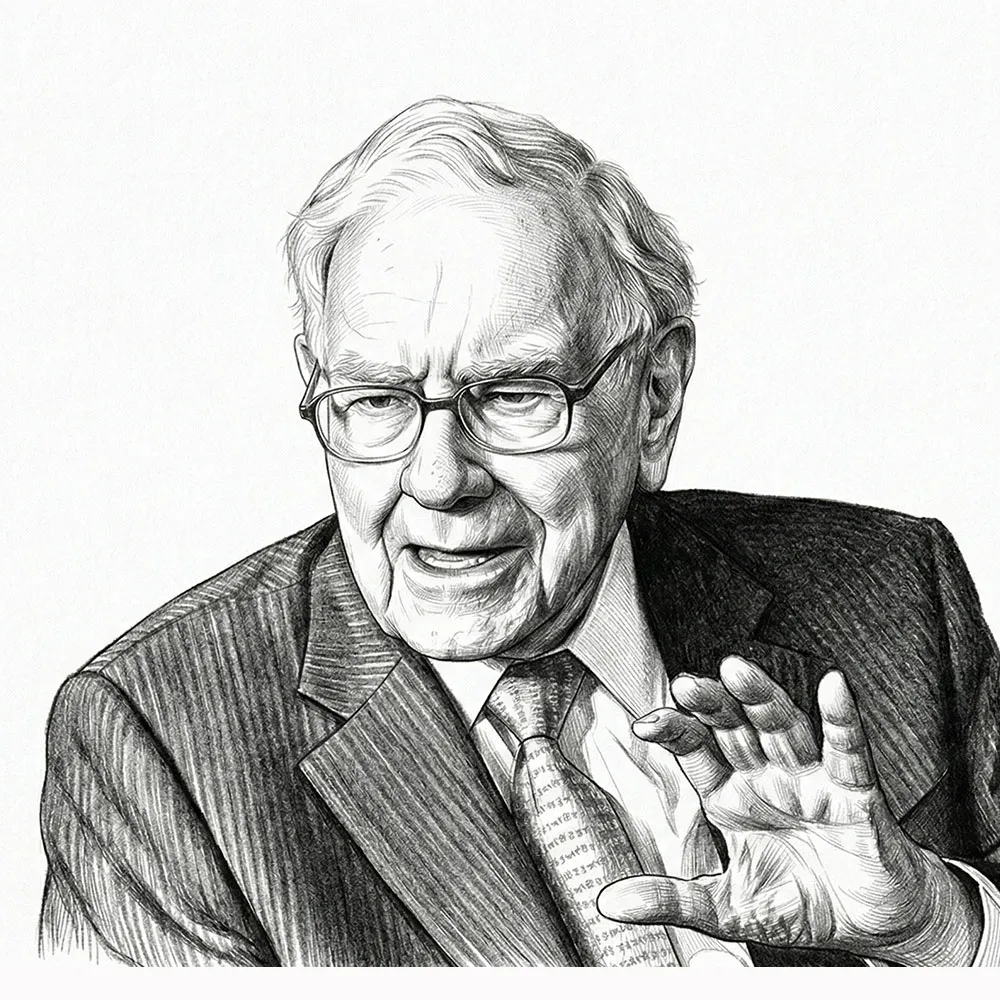
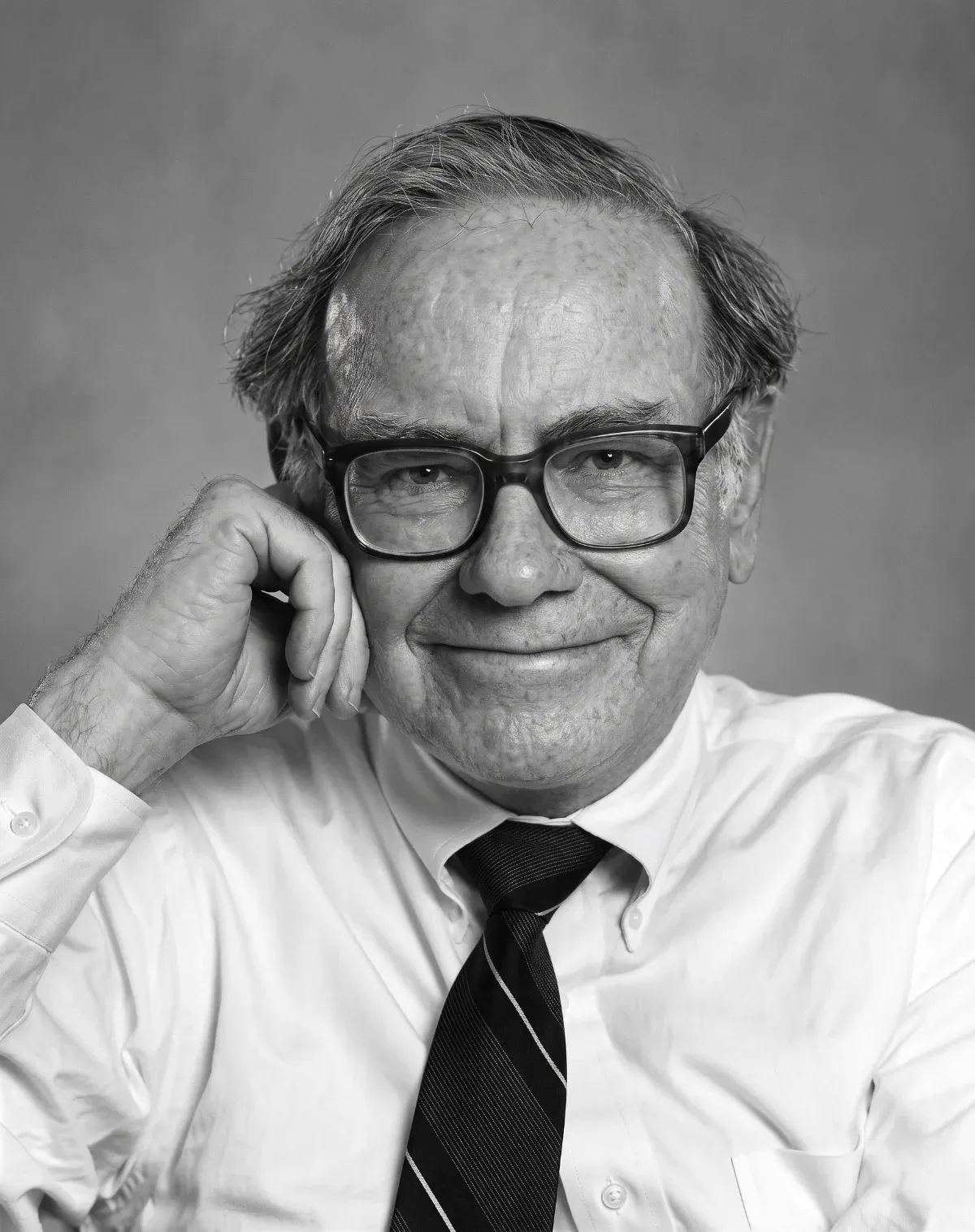
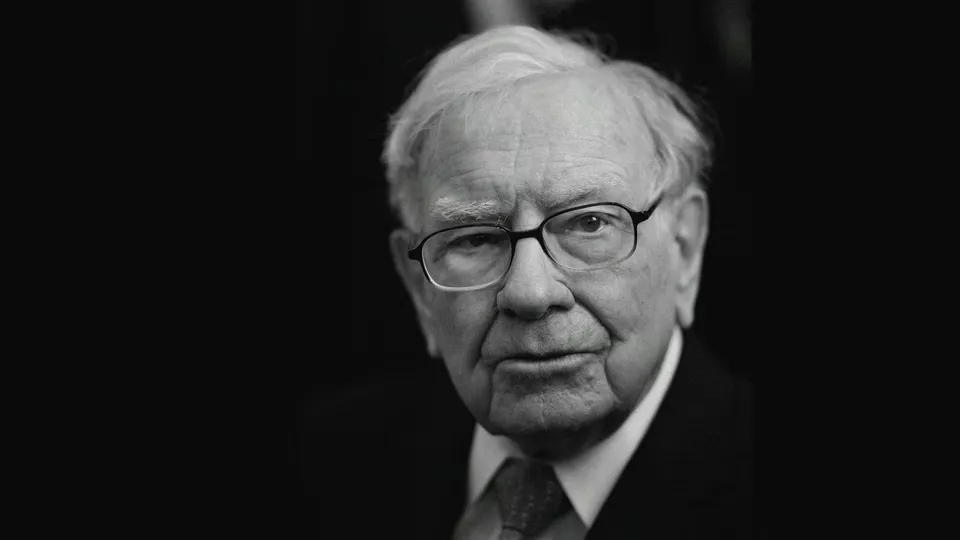
Goldman Sachs CFO David Viniar called Omaha. The man who picked up the phone was Warren Buffett. He was 78 years old.
The moment the call connected, Buffett was seated at his desk in his office. He had been about to eat a sandwich. A can of Cherry Coke sat on the desk.
Viniar got straight to the point.
"Mr. Buffett, would you be willing to make a capital investment in us?"
Buffett paused briefly. He had anticipated this moment before Lehman fell. It was exactly what he had repeatedly warned about in his shareholder letters over the past few years. The daisy chain of derivatives, the accumulation of leverage, the risks embedded in mortgage securities. He had said it many times:
"Derivatives are financial weapons of mass destruction." (2002 shareholder letter)
At the moment that warning became reality, one of the last bastions of the American financial system was calling him.
Buffett answered.
"Yes. Let me give you my terms."
3. Terms Made in Five Minutes
Buffett's terms were simple. And ruthless.
First, $5 billion in preferred stock. Berkshire Hathaway would purchase $5 billion in Goldman Sachs perpetual preferred shares.
Second, 10% annual dividend. The preferred shares would pay 10% per year — meaning Goldman would pay Berkshire a fixed $500 million every year.
Third, $5 billion in warrants. Berkshire would additionally receive warrants to purchase Goldman Sachs common shares at $115 per share, worth $5 billion. Valid for five years.
Fourth, 10% redemption premium. If Goldman wanted to redeem the preferred shares, it would have to pay 110% of face value.
Buffett didn't write these terms on paper. He stated them over the phone. Viniar wrote them down.
It took under five minutes.
Inside Goldman, the immediate reaction was divided. "This is usury," some executives said. A 10% annual dividend was more than double the typical corporate preferred rate at the time. The warrants were structured to hand Buffett billions more if Goldman's stock recovered.
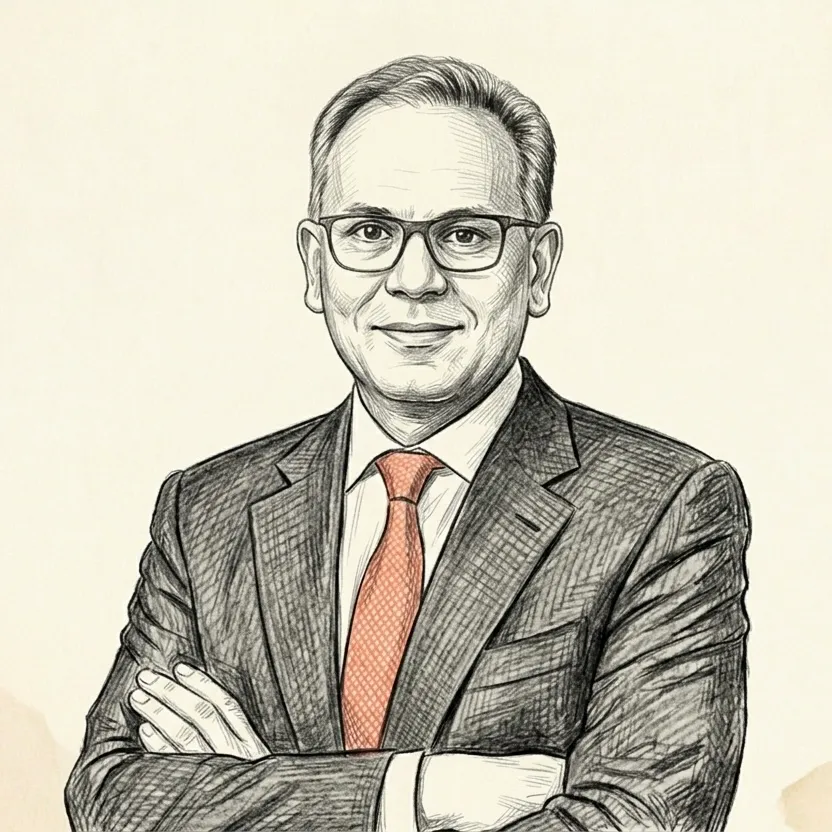
CEO Lloyd Blankfein made the call: "We accept."
There was no alternative. Wall Street was already writing Goldman's next chapter. Blankfein knew the terms were expensive. He also knew they would save the company.
4. What Buffett Saw
Why did Goldman call Buffett?
It wasn't just the money. $5 billion wasn't decisive capital for Goldman Sachs. The firm's total assets exceeded $1 trillion at the time.
What they wanted was a signal.
"Warren Buffett invested in this company" — that single fact, and what that message sent to the market: "Goldman won't fall. Buffett saw something."
Buffett knew this. So he made the terms stiff. His name itself was the premium.
But Buffett wasn't investing on terms alone. He was looking at the fundamental nature of Goldman Sachs.
First, Goldman wasn't actually insolvent. Unlike Lehman or Bear Stearns, Goldman's asset structure was relatively sound. The problem wasn't soundness — it was confidence. When markets go into a panic, even sound companies can't raise funds. Buffett made this distinction.
Second, Goldman was a company the government couldn't let fail. Having seen the chaos after Lehman's collapse, the U.S. Treasury was concluding that "if another major investment bank falls, the system ends." Indeed, that very weekend, the Federal Reserve converted Goldman Sachs and Morgan Stanley into bank holding companies — opening the Fed's emergency lending window to them.
Third, this fear is temporary. Buffett's lifelong principle: "Be greedy when others are fearful." He had repeated this for decades. September 2008 was exactly that moment.
He wasn't just talking. That same week, he also put $3 billion into General Electric under similar terms — 10% dividend preferred plus warrants. At the peak of this panic, he deployed a total of $8 billion.
5. "Buy American. I Am."
October 17, 2008. Three weeks after the Goldman investment, Buffett wrote an op-ed in The New York Times. The title was simple:
"Buy American. I Am."
He wrote:
"I've been buying American stocks in my personal account. Until recently, my personal investments consisted entirely of U.S. government bonds. But at current price levels, shares of American businesses offer far better long-term returns than Treasuries."
"Fear is contagious. Even experienced investors are affected. But if an investor knows how business works, one fact becomes clear: over the long run, stock prices follow business values."
The day this op-ed ran, the Dow was at 8,979. It didn't perfectly call the bottom — markets kept falling for another four months, with the Dow reaching 6,547 in March 2009.
But by the end of 2009, the Dow was at 10,428. By 2013, above 16,000. By 2021, it hit 36,000.
Someone who read Buffett's op-ed that day and bought American stocks was sitting on 4x returns thirteen years later.
September 23, 2008. You are Warren Buffett, age 78. The American financial system has been shaking for a week. Lehman has collapsed, AIG has been bailed out, and money is flooding out of money market funds. Goldman Sachs' CFO just called, asking for a capital investment — and you get to set the terms.
6. The Results
Goldman Sachs survived.
In March 2011, Goldman redeemed Berkshire's preferred shares — paying 110% of face value as agreed. Berkshire received a $500 million premium.
Cumulative dividends received over two and a half years: approximately $1.25 billion.
Redemption premium: $500 million.
And the warrants.
In 2013, Berkshire exercised the warrants — converting them to approximately 13 million Goldman shares via cash settlement. Value at the time: roughly $2.1 billion.
Total return:
Dividends: $1.25 billion
Premium: $500 million
Warrant shares: $2.1 billion
Total: approximately $3.85 billion.
$5 billion invested. $3.85 billion returned in two and a half years. A 77% return. The S&P 500 returned about 25% over the same period.
The GE investment generated similar returns under a similar structure.
But the real thing Buffett earned from these investments wasn't money. He had been warning for years before the 2008 crisis that "markets are overheating." The crisis proved him right. And it proved he hadn't just warned — he had acted, right in the middle of the panic.
After 2008, Buffett was no longer simply a famous investor. He was the last adult in American finance.
Once you've made your choice, reveal what the legend actually did
7. Three Lessons This Story Left Behind
First, in the middle of panic, cash becomes the weapon. The reason Buffett could deploy $8 billion in 2008 was that he had been building cash reserves right up until that moment. From 2005 to 2007, as markets climbed, he wasn't buying expensive stocks. "If you don't have bullets loaded when the bottom hits, nothing matters," he has said. Most Korean retail investors do the opposite: fully invested when markets rise, out of cash when markets fall. "Buy in fear" means the same thing as "prepare before the fear arrives."
Second, terms are set when the other side is desperate. The reason Buffett could extract 10% dividends plus warrants was that he was the only calm person at the negotiating table. Goldman was desperate. Buffett was not. Negotiating power comes from time. Buying when you want to buy, versus buying when the other side desperately needs to sell, are entirely different games. Only the latter produces truly good terms.
Third, in a crisis, look at the structure, not the surface numbers. By surface metrics in 2008, Goldman Sachs looked dangerous: stock cut in half, credit default swap spreads exploding, funding on the verge of freezing. What Buffett looked at was different: where this company sat structurally within the American financial system. A company the government couldn't let fail. Sound assets caught in a temporary confidence crisis. Reading the structure beneath the numbers — that is the truly great investor's vision.
- 버핏의 선택
- $50억 투자 + 연 10% 배당 + 워런트 (5분 결정)
- 월스트리트 상황
- 리먼 파산, 골드만 주가 -50%, 시스템 경련
- 최종 결과
- $38.5억 수익 (77%) + "미국 금융의 마지막 어른"
8. The Aftermath of Those Five Minutes
After the 2011 redemption, Lloyd Blankfein said in an interview:
"Mr. Buffett's investment didn't save us. But he gave the market a reason to trust us. And that was exactly what we needed at that moment."
Buffett didn't count this among his best-ever trades. What he told biographer Alice Schroeder was more cold-blooded:
"They were desperate. I wasn't. That's all there is to it."
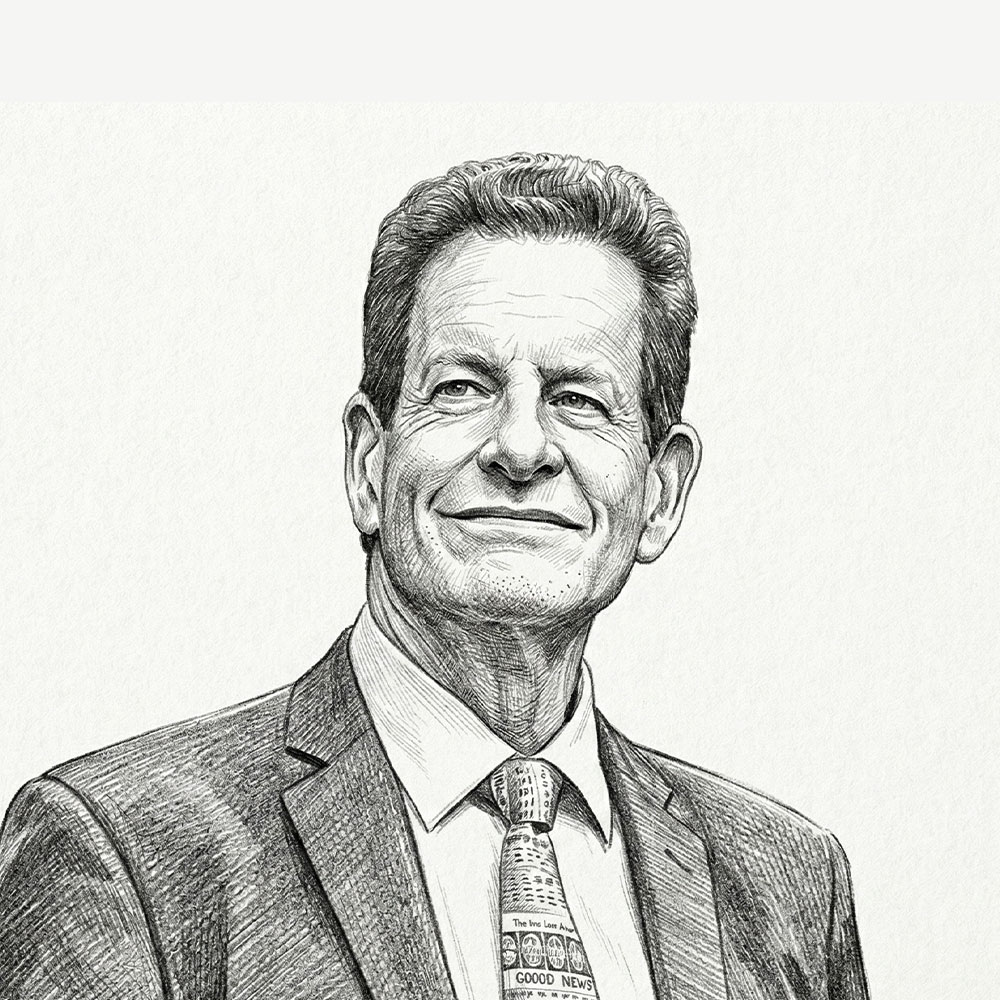
In May 2025, Buffett announced he would step down as Berkshire CEO by year-end. His successor: Greg Abel. The Buffett era officially beginning its end.
But those five minutes in September 2008 remain on the record.
A 78-year-old man took a sip of Cherry Coke, picked up the phone, and in five minutes stated his terms.
In that afternoon, he deployed everything he had built over sixty years.
Cash, reputation, principles, and time.
Sources
Berkshire Hathaway Annual Letters (2008, 2009, 2011)
Warren Buffett, "Buy American. I Am.", The New York Times (2008-10-17)
Andrew Ross Sorkin, Too Big to Fail (2009)
Alice Schroeder, The Snowball: Warren Buffett and the Business of Life (2008)
Goldman Sachs 8-K filings (2008-09-23, 2011-03-18)
What's your take on this story?
What do you think about Warren Buffett's decision?
Sign in to participate
Sign InWarren Buffett Today
Where is Warren Buffett investing right now? See their latest 13F portfolio and current convictions.