
Samsung-Union Talks Resume — A Strike Could Disrupt Global Memory Supply Chains
Samsung Electronics and its union have resumed negotiations. If a strike materializes at peak AI demand, it could disrupt supply of HBM and other memory chips — with SK Hynix and Micron potentially standing to benefit.
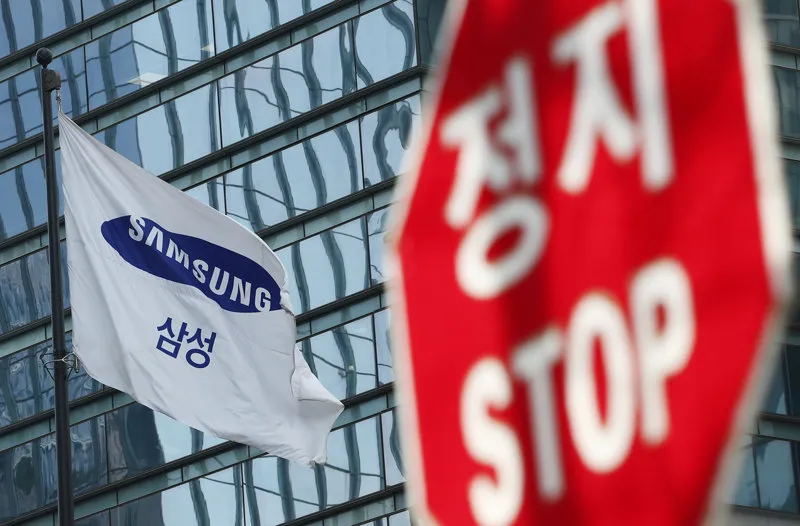
- Samsung and its union resumed talks after a strike threat amid peak AI chip demand
- A prolonged walkout risks disrupting global HBM and DRAM supply, benefiting SK Hynix and Micron (MU)
Samsung Electronics and its labor union are back at the negotiating table. Concerns are mounting that a strike could destabilize an already tight global memory semiconductor supply chain.
Samsung Electronics' largest union and company management have resumed negotiations. The key sticking points are the magnitude of wage increases and the criteria for performance bonuses. After previous talks broke down, a strike countdown began — prompting both sides to meet again. Global semiconductor markets are watching the outcome closely.
HBM Production Is Central — A Supply Shock at Peak AI Demand
Samsung's DS (Device Solutions) division is a critical production hub for HBM (High Bandwidth Memory), DRAM, and NAND flash. With demand for Nvidia's AI accelerators surging, any disruption at Samsung's semiconductor facilities could directly impede the global expansion of AI infrastructure.
- HBM demand: Essential component in Nvidia's AI chips including the H100, H200, and GB200
- Samsung's HBM position: Already trailing SK Hynix, making any supply disruption especially sensitive
- Strike duration matters: A short stoppage (days) versus a prolonged strike (weeks) carry vastly different implications
SK Hynix and Micron Poised to Benefit
The most direct beneficiaries of a Samsung supply reduction would be SK Hynix and Micron (MU). SK Hynix already leads Samsung in HBM shipments to Nvidia, while Micron is accelerating the ramp of its HBM3E production. Investors should note that the outcome of Samsung's union talks could serve as a key directional catalyst for both stocks.
When Samsung stumbles, Micron smiles. The memory market is essentially zero-sum.
Semiconductor industry insider
Korean Bond Markets Also in Focus — Semiconductor Boom Could Push Rates Higher
Bloomberg has noted that a semiconductor-driven boom originating from Samsung could lift South Korea's GDP growth, feeding inflationary pressure and pushing Korean government bond yields higher. This may delay the Bank of Korea's rate-cutting cycle, with implications for both Korean equities and fixed income markets.
Frequently Asked Questions
Why is a Samsung union strike particularly concerning right now?
AI semiconductor demand is at record highs. A production halt at one of the world's largest memory fabs would directly impact AI chip supply chains, including shipments to Nvidia.
What is HBM?
HBM, or High Bandwidth Memory, is a high-performance memory chip integrated into AI accelerators such as Nvidia's H100 and H200. It delivers several times the bandwidth of conventional DRAM.
Why would SK Hynix and Micron benefit from a Samsung strike?
The HBM and DRAM market is an oligopoly dominated by Samsung, SK Hynix, and Micron. If Samsung's supply falls, orders are likely to shift to its two rivals.
How long could a strike last if talks collapse?
Last year's strike at Samsung's DS division lasted anywhere from a few days to several weeks. A short strike would have limited impact, but a prolonged one could materially affect quarterly shipment volumes.
What is the connection between a semiconductor boom and Korean bond yields?
Strong semiconductor exports boost South Korea's GDP growth, which raises inflationary pressure and could delay Bank of Korea rate cuts — pushing Korean government bond yields higher.

Applied Materials Posts Record Q3 Revenue of $9.1 Billion, All-Time High EPS
 AMAT
AMATCoherent, Performance Food Among 25 US Firms File SEC 8-K Earnings Disclosures as AI Chip, Biotech Earnings Season Kicks Off
 COHR
COHR CBRS
CBRS AOSL+21
25 SEC 8-K Earnings Disclosures Flood In, Including Owens Corning, Extreme Networks, Utz Brands
 HBB
HBB NC
NC EPC+27
Wall Street's Defining Moments
See more
Sunday's SEC 8-K Earnings Filings Quiet, but Royal Gold Doubles Net Income and Launches Buyback
 RGLD
RGLDVeritone Earnings Shock Sends Shares Down 23%...York Space Systems Among 25 US Companies Filing SEC 8-K Earnings Reports
 YSS
YSS CODX
CODX IPWR+26
Applied Materials Posts Record Q3 Revenue of $9.1 Billion, All-Time High EPS
AMATSmart Money Briefing
Weekly summaries of Wall Street guru moves and crypto whale activity.