The Twitter Activist — Bill Ackman's New Weapon
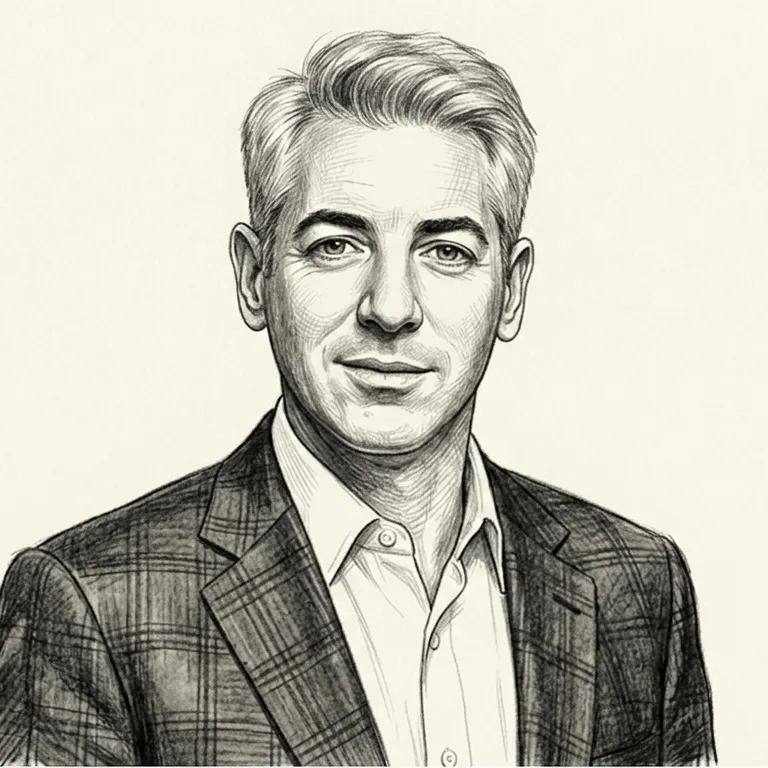
In the 2020s, Bill Ackman began using Twitter as a weapon. Netflix exit in 77 days. Chipotle compounding for a decade. Harvard president resignation campaign. Investor, influencer, or activist?
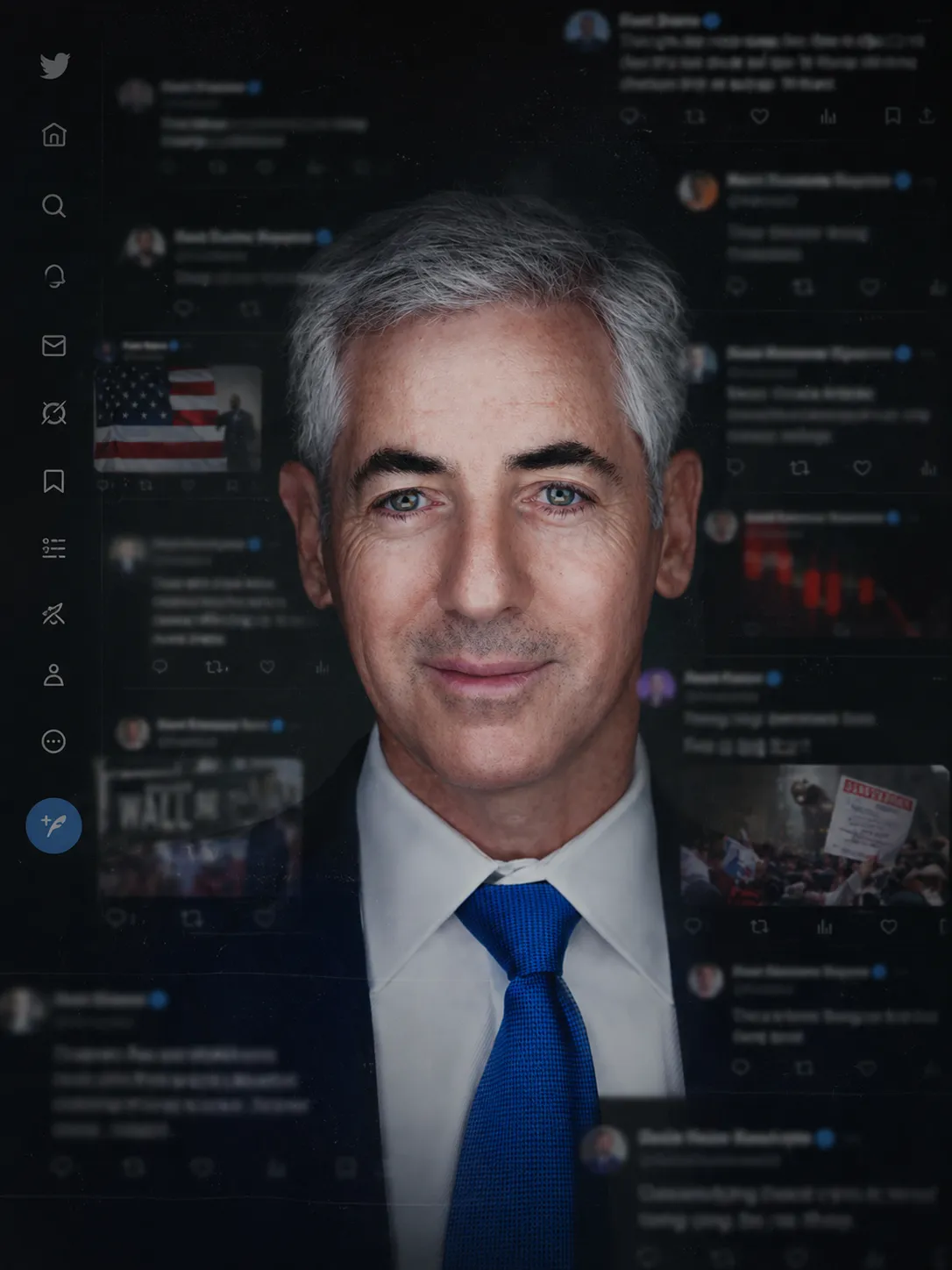
The Twitter Activist — Bill Ackman's New Weapon
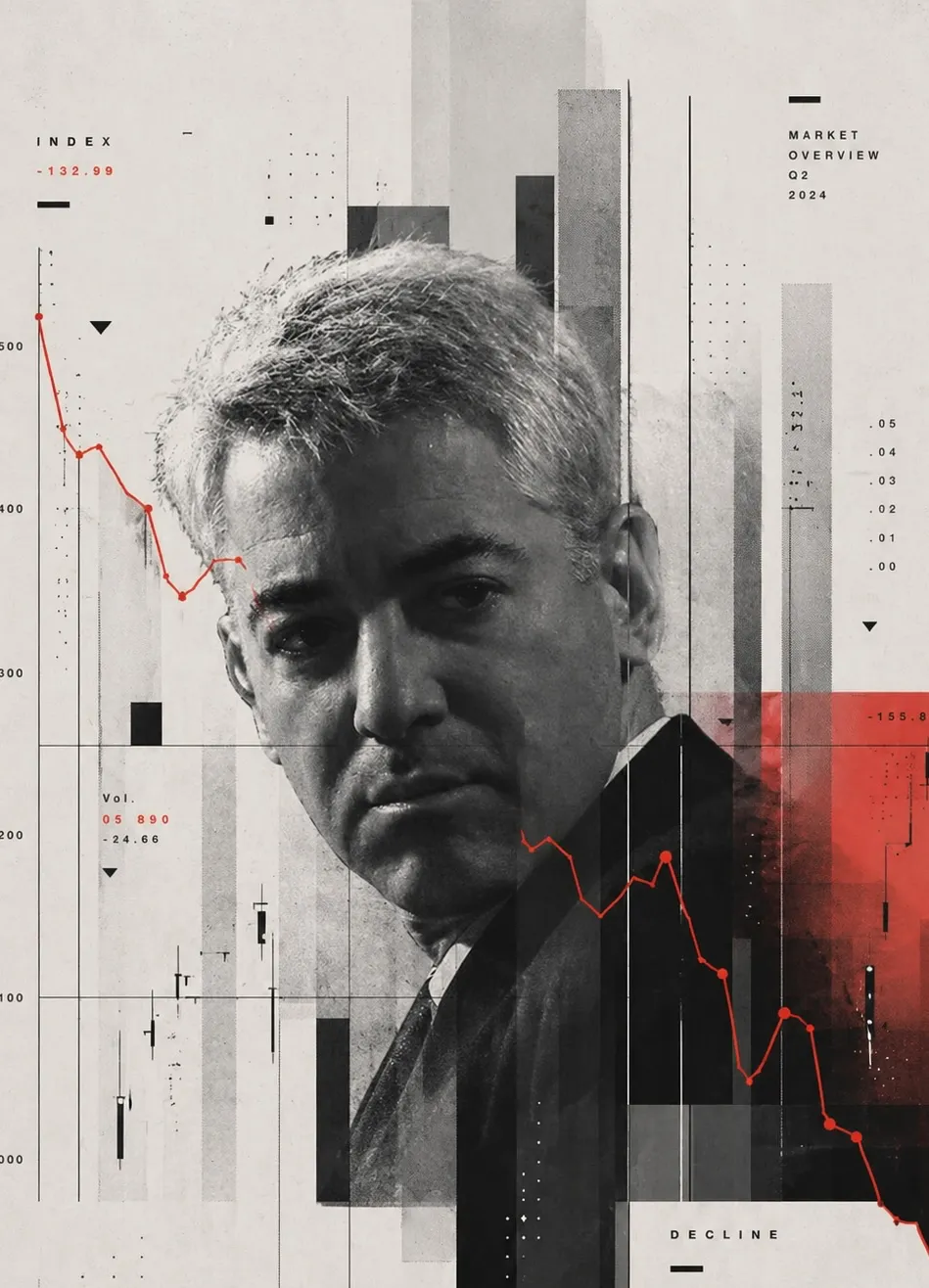
In January 2022, Bill Ackman began buying Netflix stock — 11 million shares, approximately $1.1 billion. Then subscriber loss numbers came out. The stock fell 35%. Ackman sold the next day. Loss: $400 million. Holding period since purchase: 77 days. He posted on Twitter. "I was wrong." Tens of thousands of retweets in three hours. This is Bill Ackman's way in the 2020s.
1. Twitter as the New Weapon
March 18, 2020. Ackman appeared on CNBC live. By that day, he had already booked billions in profits from his COVID hedge. On air, he said:
"Hell is coming. President Trump, America needs to shut down for 30 days."
Markets plunged. Some critics charged that Ackman had stoked fear while holding a short position. Reports circulated that the SEC was considering an investigation. He had done nothing wrong. But the incident taught him something.
He began using Twitter (X) strategically after that. Publishing investment theses publicly. Pressuring corporate executives. Moving public opinion. Explaining the rationale for investment decisions in real time. Pershing Square's investor relations tool had shifted from quarterly letters to live social media broadcasting.
Into the 2020s, his Twitter following reached millions. He became an activist investor and influencer simultaneously. It took time for the market to fully understand what that meant.
April 2022. You are Ackman. Netflix has just announced a drop in subscribers. A loss of roughly $400 million. Seventy-seven days since you took the position. What do you do?
2. Netflix: The 77-Day Experiment
In January 2022, Netflix revised its subscriber guidance downward. The stock fell 20% in one day. Ackman entered.
His logic was simple. Netflix is the world's largest streaming platform. Subscriber decline is temporary. Password-sharing crackdowns plus an ad-supported tier will reignite earnings growth. At the time, the stock looked cheap on a price-to-earnings basis.
But in April 2022, Netflix reported that subscribers had actually declined. The stock fell 35% in a single day.
Ackman sold the next day. The loss: approximately $400 million. And he posted a letter on Twitter:
"We have lost confidence in our ability to predict the company's future prospects with the degree of certainty we require. The nature and the magnitude of the subscriber decline was different from what we expected. We have determined that the level of uncertainty is too high. I was wrong."
The letter went viral. Headlines called it "the world's fastest exit." But this story was actually proof that Ackman had become a completely different person since Valeant. In Valeant, he held for sixteen months and suffered an additional $1.2 billion in losses. In Netflix, he acknowledged he was wrong in 77 days and walked away.
3. Chipotle: The Evolution of Activism
In contrast to the Netflix failure, during the same period Ackman's Chipotle investment was quietly succeeding.
In 2016, when Chipotle (CMG) was hit by a food-poisoning crisis and its stock fell 50% from the peak, Ackman bought a stake. He did not join the board. He did not demand management changes. He waited.
Instead, he analyzed the brand value and unit economics. "Chipotle holds an irreplaceable position in American consumer culture. The food-poisoning incident is an operational problem, not a brand problem." On that single thesis, he held the position.
In 2018, new CEO Brian Niccol was appointed. Digital ordering plus drive-through was introduced. The stock recovered and then surged past that. Ackman's return on Chipotle eventually exceeded 900%. This was activism without activism — patience as strategy, waiting as the trade.
Once you've made your choice, reveal what the legend actually did
4. The Harvard President Campaign
On October 7, 2023, Hamas attacked Israel. Over thirty Harvard student organizations signed a statement critical of Israel. President Claudine Gay did not take a clear position in the early days.
Ackman publicly called for Harvard's president to resign on Twitter. He tweeted every day. He appealed to Harvard donors to pause their donations. He dug into allegations of academic plagiarism in the president's scholarly papers.
In December 2023, a congressional hearing. When President Gay was asked whether calls for Jewish genocide constituted harassment, she answered "it depends on the context." On December 31, Gay resigned. Tenure: six months. The shortest-serving president in Harvard's history.
Reactions to this episode were sharply divided. Some criticized it as "extending corporate governance activism to universities and public institutions." Others supported it as "demanding accountability from educational institutions."
Ackman's position was firm: "I am a Harvard donor and alumnus. When Harvard represents values I cannot support, I have a responsibility to say so."
5. The Current Portfolio
As of 2026, Pershing Square's portfolio looks completely different from the Valeant era.
- Alphabet (GOOGL) — A combined search and cloud company in the AI era. The durability of advertising revenue, plus Gemini AI's growth potential.
- Meta (META) — Bought at low prices after the Reels crisis. Entering the stage where AI infrastructure investment is visibly monetizing.
- Amazon (AMZN) — Combined AWS cloud plus e-commerce growth. The moat of logistics infrastructure.
- Hilton (HLT) — Asset-light hotel chain. The cash-generating power of a loyalty business model.
- Chipotle (CMG) — A decade-long position. The compounding effect of unit economics.
Characteristics of the 2026 portfolio: concentrated in large-cap tech. Diversified into consumer and hospitality. No pharma, no financials. No "innovative business model" of the Valeant variety.
He still concentrates in a small number of names — but now those names are all companies where it is clear they will still exist decades from now.
6. Bill Ackman, 2026
In 2024, Ackman attempted to list Pershing Square USA on the NYSE. Target offering size: $25 billion. Actual offering size: $200 million. Some called it one of the worst IPO failures in history. He cancelled the IPO.
He shared the entire process publicly on Twitter. He rebutted investor concerns, explained the investment thesis, and acknowledged the failure.
In Herbalife, he held for seven years. In Valeant, sixteen months. In Netflix, seventy-seven days. In the IPO failure, he cancelled immediately. The pattern is evolving.
What is Bill Ackman in 2026? Activist investor? Social media influencer? Public intellectual? He is all of these simultaneously, integrated into a single strategy. Millions of Twitter followers read his investment theses. His tweets move stocks. His campaigns force university presidents to resign.
He still gets things wrong. But he gets things wrong quickly. That is why he has survived thirty years.
7. The Difference from Jesse Livermore
When this series began, we compared him to Livermore.
Livermore went bankrupt four times. He came back four times. But he never changed. He would resolve not to use leverage, then use leverage again. He would say he'd reduce position sizes, then concentrate excessively again. And in 1940, after his final bankruptcy, he took his own life.
Ackman is different. He changed. The excessive confidence of Herbalife repeated itself in Valeant. But after Valeant, he chose a completely different approach in the COVID hedge — a small position, conditional conviction, a fast exit.
Whether this change is permanent or temporary is still unknown. In Netflix and in the IPO failure, he acknowledged quickly and moved on. He has something Livermore never had.
That is the courage to be publicly wrong.
What's your take on this story?
What do you think about Bill Ackman's decision?
Sign in to participate
Sign InBill Ackman Today
Where is Bill Ackman investing right now? See their latest 13F portfolio and current convictions.