
Mastercard Moves to Settle Card Payments in RLUSD Stablecoin on XRP Ledger
Mastercard is moving to integrate Ripple's RLUSD stablecoin into its global card payment settlement network. The world's second-largest card network adopting blockchain-based settlement marks a new chapter in the integration of regulated stablecoins into traditional finance.
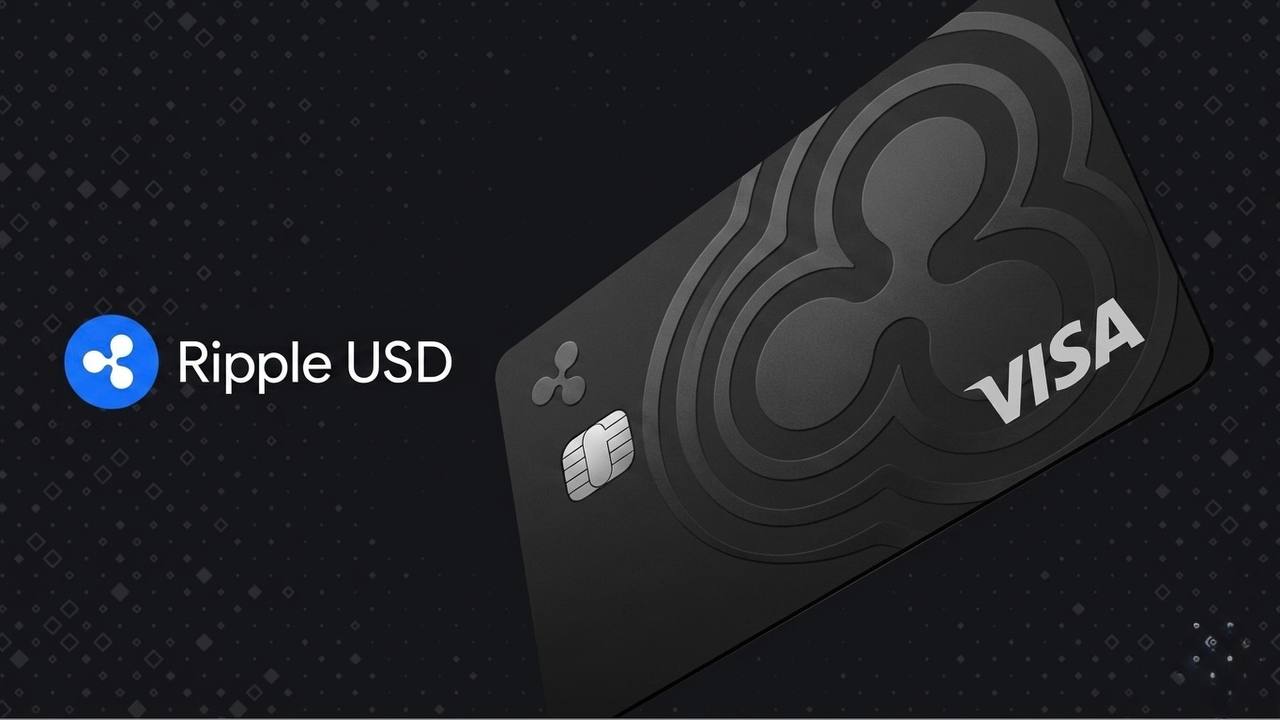
Mastercard is advancing plans to integrate Ripple's RLUSD stablecoin into its global card payment settlement infrastructure. Christian Rau, SVP of Global Digital Commercialization at Mastercard, publicly confirmed the initiative on April 16 at a stablecoin roundtable hosted by XRPL Commons.
From Pilot to Production
The announcement builds on a partnership first unveiled at Ripple's Swell Conference in November 2025, where Ripple, Mastercard, WebBank, and Gemini jointly announced a pilot program for RLUSD-based settlement on the Gemini credit card. WebBank, the issuing bank behind the Gemini card, subsequently began testing blockchain-based settlement on the XRP Ledger and transitioned from pilot to live operations in February 2026.
At the roundtable, Rau stated, "We are working with Gemini to settle card payment flows in RLUSD, and we will scale this fully within the first half of this year." From the consumer's perspective, the card experience remains unchanged — but backend settlement between Mastercard and WebBank is completed on the XRP Ledger within seconds, a stark contrast to the traditional card network's T+1 to T+3 settlement cycle.
Stablecoin as a Settlement Currency
Mastercard is positioning RLUSD not as a standalone crypto product, but as a settlement currency operating alongside traditional fiat. In March 2026, the company launched its Crypto Partner Program encompassing more than 85 crypto, fintech, and payments firms, and has also expanded stablecoin settlement options with partners including SoFi Technologies.
RLUSD is issued as a fully dollar-backed stablecoin under a trust company charter granted by the New York Department of Financial Services (NYDFS), with circulating supply surpassing $1.3 billion since its launch in late 2024. Should RLUSD settlement scale across Mastercard's network of billions of cards and millions of merchants, it would represent the largest-ever integration of a regulated stablecoin into traditional payments infrastructure.
Where Traditional Finance Meets Crypto
Mastercard's RLUSD settlement integration is more than a crypto experiment — it signals a meaningful convergence of traditional payment infrastructure and blockchain technology. With the world's second-largest card network adopting a regulated stablecoin as a settlement layer, blockchain-based payments have moved beyond proof-of-concept and onto a path toward mainstream commercialization. For the XRP Ledger ecosystem, the direct benefits of increased network utilization and transaction volume are clear. More broadly, RLUSD now has an opening to differentiate itself as a payments-focused stablecoin within a market dominated by USDT and USDC. This could mark an inflection point where regulatory-compliant stablecoins become the backbone of global payment networks.
This content is provided for informational purposes only and does not constitute investment advice.
Frequently Asked Questions
RLUSD 정산이 사용자에게 어떻게 보이나요?
소비자는 기존과 동일하게 카드를 사용합니다. 변화는 백엔드에서 일어나며, 마스터카드와 WebBank 간 정산이 XRP 레저 위에서 수초 내 완료됩니다. 기존 카드 네트워크의 1~3 영업일 정산 주기와 비교됩니다.
왜 USDT·USDC가 아닌 RLUSD를 선택했나요?
RLUSD는 뉴욕금융서비스국(NYDFS) 트러스트 컴퍼니 인가 하에 달러 완전 담보로 발행되는 규제 준수 스테이블코인입니다. 기존 USDT·USDC 중심 구도에서 결제 특화 스테이블코인으로 차별화될 가능성이 열렸고, 마스터카드가 추구하는 규제 친화적 정산 통화 포지셔닝과 맞물립니다.
이 통합이 XRP 레저 생태계에 어떤 영향을 주나요?
마스터카드의 수십억 장 카드와 수백만 가맹점 네트워크로 RLUSD 정산이 확산되면 XRP 레저의 네트워크 활용도와 거래량이 직접적으로 늘어납니다. 블록체인 결제가 개념 증명 단계를 넘어 상용화 궤도에 올랐다는 신호입니다.
마스터카드의 다른 크립토 협력은?
2026년 3월 85개 이상의 크립토·핀테크·결제 기업을 아우르는 Crypto Partner Program을 출범시켰고, SoFi 등 파트너사와의 스테이블코인 정산 옵션도 확대 중입니다. RLUSD를 포함해 정산 통화로서의 스테이블코인 채택을 가속하고 있습니다.









Wall Street's Defining Moments
See more



Sunday's SEC 8-K Earnings Filings Quiet, but Royal Gold Doubles Net Income and Launches Buyback
 RGLD
RGLDVeritone Earnings Shock Sends Shares Down 23%...York Space Systems Among 25 US Companies Filing SEC 8-K Earnings Reports
 YSS
YSS CODX
CODX IPWR+26
Applied Materials Posts Record Q3 Revenue of $9.1 Billion, All-Time High EPS
 AMAT
AMATSmart Money Briefing
Weekly summaries of Wall Street guru moves and crypto whale activity.