
Emerging Markets Hit Record High: KOSPI +57%, Taiwan +34%, Brazil +16%—3x S&P 500's Gain
MSCI Emerging Markets index surged 14% YTD to an all-time high, outpacing S&P 500's 5.6% gain. AI infrastructure boom powers KOSPI (+57%) and Taiwan (+34%), while Iran war-driven oil spike benefits commodity exporters like Brazil (+16%).
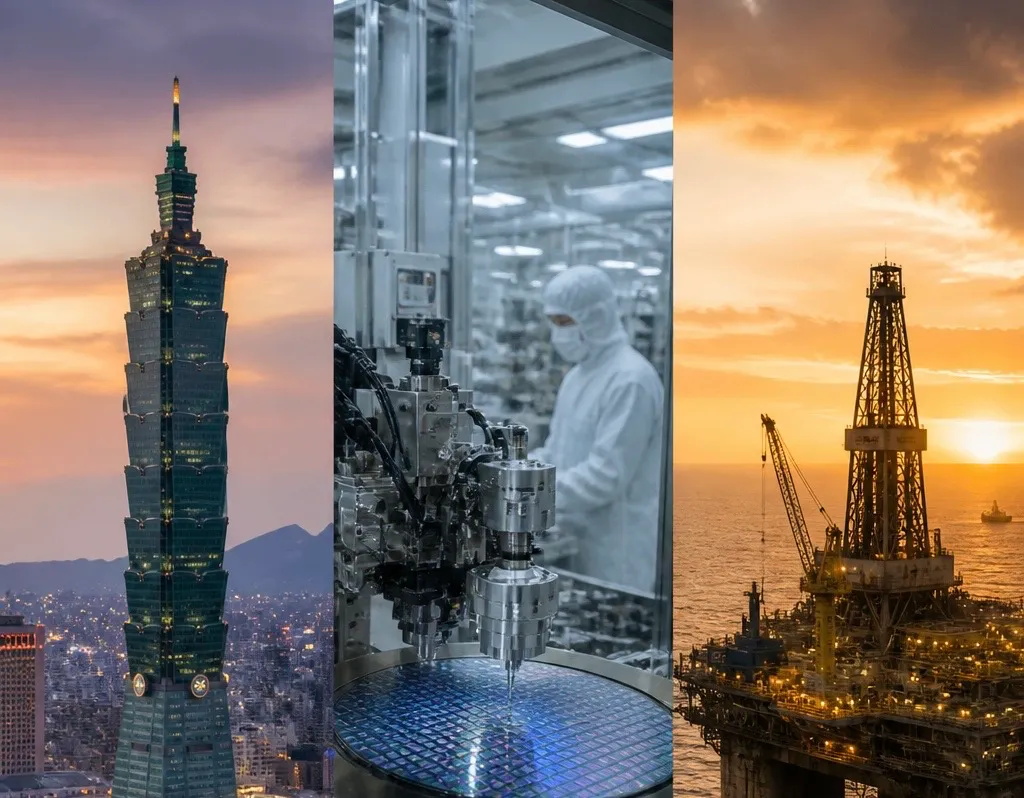
- MSCI Emerging Markets hit record highs with 14% YTD gains, outpacing S&P 500 by 3x
- KOSPI +57%, Taiwan +34%, Brazil +16% led by AI infrastructure boom and Iran war oil spike
MSCI EM +14% YTD vs S&P 500 +5.6%… AI boom drives Asia, rising crude supports oil exporters
War-risk concerns failed to derail emerging markets. The MSCI Emerging Markets index surged approximately 14% year-to-date, hitting an all-time high—more than double the S&P 500's 5.6% gain over the same period.
Two engines are driving EM higher. Surging AI infrastructure demand is lifting Asia's tech hubs, while Iran war-induced crude oil spikes are benefiting oil-exporting emerging markets.
KOSPI +57%, Samsung +84%… AI Transforms Asia
Asia's core driver is AI infrastructure buildout. Big Tech's data center expansion directly translates to gains for Korea and Taiwan—critical hardware supply chain hubs.
KOSPI surged 57% this year, with Samsung Electronics soaring 84% standalone. This reflects explosive demand for AI-era essentials: HBM semiconductors and NAND storage. Taiwan's index also rose 34%, as TSMC near-monopolizes cutting-edge chip production for Apple, NVIDIA, AMD, and Google.
Korea imports roughly 70% of crude from the Middle East, making it vulnerable to Iran war-driven oil shocks. Yet AI tailwinds have overwhelmed energy cost pressures.
Brazil Bovespa +16%… Energy Exporters' Paradoxical Upside
Outside Asia, energy exporters dominate. Brazil's Bovespa index rose 16% this year. Having shifted to net crude exporter status in 2017, Brazil targets 4.76 million barrels daily by 2030—South America's fastest production growth rate.
As Iran war tightens Middle Eastern supply, Brazilian crude commands a premium. Rising oil revenues boost materials and financials dividend payouts. The iShares MSCI Brazil ETF (EWZ) has quadrupled in size over the past year to roughly $12B.
Valuation Gap Is Key—P/E 18x vs S&P 500 29x
Structural appeal hinges on valuation. MSCI EM ETF's current P/E is ~18.4x versus S&P 500's 28.9x—roughly 37% cheaper. This gap remains wide even after YTD gains.
Wall Street analysts note EMs carry higher volatility but attract investors seeking alternatives to U.S. stocks, citing cheap valuations and growth potential.
Risks: Prolonged Iran War, Dollar Strength, China Slowdown
Upside carries risks. Prolonged Iran conflict pressures trade balances in energy-importing EMs (Korea, India, Turkey). Dollar strength erodes EM currency values and raises dollar-denominated debt burdens. China slowdown cuts commodity demand, hurting exporters like Brazil and Chile.
Korea Investor Perspective—KOSPI Leads Global EM Performance
The implication for Korean investors is clear: KOSPI is posting the strongest EM performance this year. AI semiconductors, batteries, and defense stocks are driving gains. Domestic market strength as a core AI cycle beneficiary is confirmed by inbound foreign capital.
With KOSPI already up 57%, future catalysts depend on sustained AI buildout and Iran conflict developments.


Philippe Laffont's Q1 2026 Portfolio: TSM Stake Boosted, Full Exit from ORCL, SNOW, and 3 Others
 TSM
TSM GEV
GEV LRCX+7
25 Companies Including PayPal, NXP Semiconductors File Earnings With SEC Today...SK Hynix Operating Profit Tops $41.6B
 PYPL
PYPL NXPI
NXPI HUBB+19
Lee Ainslie's Q1 2026 Portfolio — Exits UNP Entirely, Boosts NU Stake by 92%
 NVDA
NVDA AMZNTSM+7
Wall Street's Defining Moments
See more


Sunday's SEC 8-K Earnings Filings Quiet, but Royal Gold Doubles Net Income and Launches Buyback
 RGLD
RGLDVeritone Earnings Shock Sends Shares Down 23%...York Space Systems Among 25 US Companies Filing SEC 8-K Earnings Reports
 YSS
YSS CODX
CODX IPWR+26
Applied Materials Posts Record Q3 Revenue of $9.1 Billion, All-Time High EPS
 AMAT
AMATSmart Money Briefing
Weekly summaries of Wall Street guru moves and crypto whale activity.