Warsh vs. Goolsbee: Does AI Mean Lower Rates or Higher for Longer?
Fed Chair frontrunner Kevin Warsh sees AI as structurally disinflationary — supporting rate cuts and continued QT. Chicago Fed President Goolsbee sees AI's macro effects as deeply uncertain, keeping the case for higher rates alive.

- Fed Chair frontrunner Warsh sees AI driving structural disinflation, supporting rate cuts
- Chicago Fed's Goolsbee argues AI's macro effects are too uncertain to justify easing, keeping higher-for-longer rates on the table
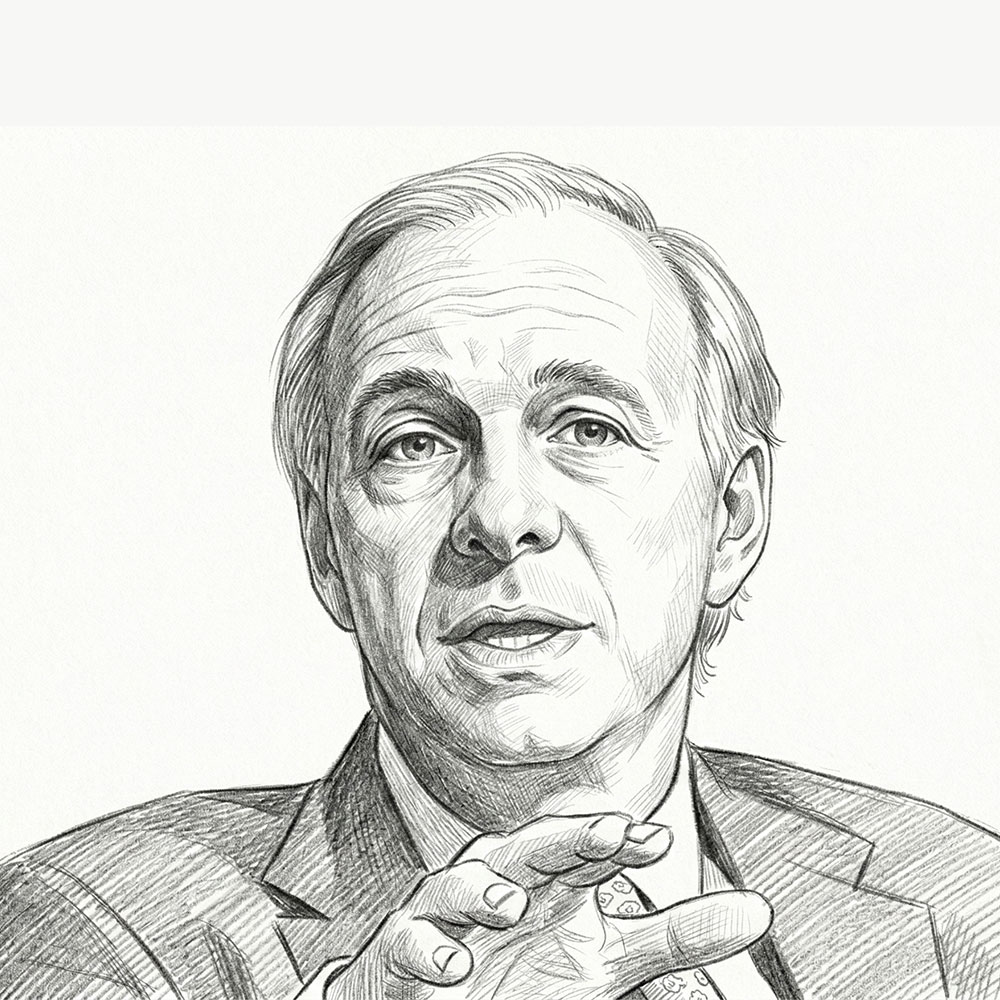
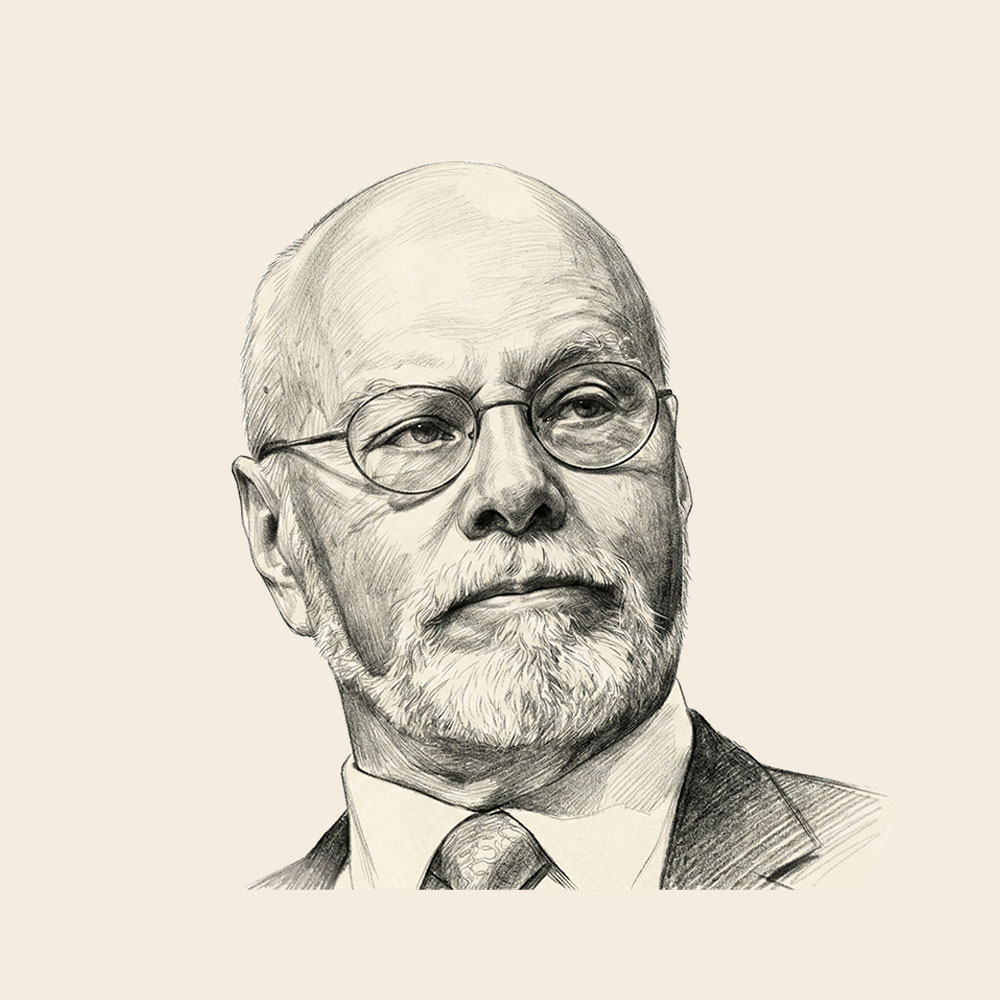
Kevin Warsh, the frontrunner to succeed Jerome Powell as Federal Reserve Chair, and Austan Goolsbee, President of the Chicago Federal Reserve, hold diametrically opposed views on what AI means for inflation and monetary policy. With AI projected to generate up to $15.7 trillion in global economic value by 2030, this disagreement goes to the heart of where interest rates go next.
Warsh's View: AI Drives Structural Disinflation — Cut Rates and Continue QT
Kevin Warsh argues that AI is fundamentally disinflationary. As AI tools reduce costs and raise productivity across sectors, price pressures should ease structurally. That gives the Fed room to cut rates without reigniting inflation.
Warsh goes further: he believes the Fed can simultaneously cut rates and continue quantitative tightening — removing liquidity from the balance sheet while lowering the price of borrowing. In this framework, monetary policy normalization and easing are not mutually exclusive. Bond markets stay stable, and AI-beneficiary growth stocks get a valuation tailwind from lower discount rates.
Goolsbee's Counterpoint: AI Effects Are Uncertain, Rates May Stay Higher Longer
Austan Goolsbee is more cautious. He does not dispute AI's long-term potential but questions whether its disinflationary effects will show up in the data anytime soon. In the near term, the explosive surge in AI infrastructure investment — data centers, GPUs, power systems — could itself be inflationary.
Until AI's productivity gains actually show up in the price data, Goolsbee sees no justification for preemptive easing. With the labor market remaining solid and services inflation persistent, rates can stay elevated for longer. For growth stocks and AI valuations, that is a structural headwind.
The Stakes: AI as a $15.7 Trillion Global Opportunity
PwC estimates that AI could add up to $15.7 trillion to the global economy by 2030 — through productivity gains, behavioral shifts in consumption, and new industry creation. If that materializes, Warsh's disinflation thesis finds powerful empirical support.
But Goolsbee and other Fed pragmatists point to history. The internet revolution of the 1990s delivered real productivity gains — but with a multi-year lag before those gains showed up in macroeconomic data. Acting on the assumption of AI-driven disinflation before it appears in the numbers would be a significant policy gamble.
What the Two Scenarios Mean for Markets
Under the Warsh scenario, long-term Treasury yields fall, QQQ and growth stocks re-rate higher, and the Fed begins a cut-and-tighten cycle that markets have not seen before. Under the Goolsbee scenario, long-term rates stay elevated, TLT remains under pressure, and AI stock valuations — already stretched by most traditional metrics — face sustained compression.
Markets are currently pricing something in between, which itself reflects the underlying uncertainty. The Fed's own internal disagreement on AI's macroeconomic effects is a source of policy risk that may not be fully priced. Who chairs the Fed next will matter enormously for how this resolves.
Frequently Asked Questions

Veritone Earnings Shock Sends Shares Down 23%...York Space Systems Among 25 US Companies Filing SEC 8-K Earnings Reports
 YSS
YSS CODX
CODX IPWR+26
Coherent, Performance Food Among 25 US Firms File SEC 8-K Earnings Disclosures as AI Chip, Biotech Earnings Season Kicks Off
 COHR
COHR CBRS
CBRS AOSL+21
Datadog Q2 Revenue Hits $1.12B, Up 36% YoY — Stock Falls Despite Beat
 DDOG
DDOGWall Street's Defining Moments
See more
Sunday's SEC 8-K Earnings Filings Quiet, but Royal Gold Doubles Net Income and Launches Buyback
 RGLD
RGLDVeritone Earnings Shock Sends Shares Down 23%...York Space Systems Among 25 US Companies Filing SEC 8-K Earnings Reports
YSSCODXIPWR+26Applied Materials Posts Record Q3 Revenue of $9.1 Billion, All-Time High EPS
 AMAT
AMATSmart Money Briefing
Weekly summaries of Wall Street guru moves and crypto whale activity.