What a Kevin Warsh-Led Fed Means for Big Bank Stocks: Deregulation vs. Quantitative Tightening
Kevin Warsh was sworn in as Fed chair on May 15, 2026. His balance sheet reduction plan poses a modest headwind for bank margins, but deregulation could unlock significant upside for JPMorgan, BofA, and Wells Fargo. Analysts see the net impact as positive.
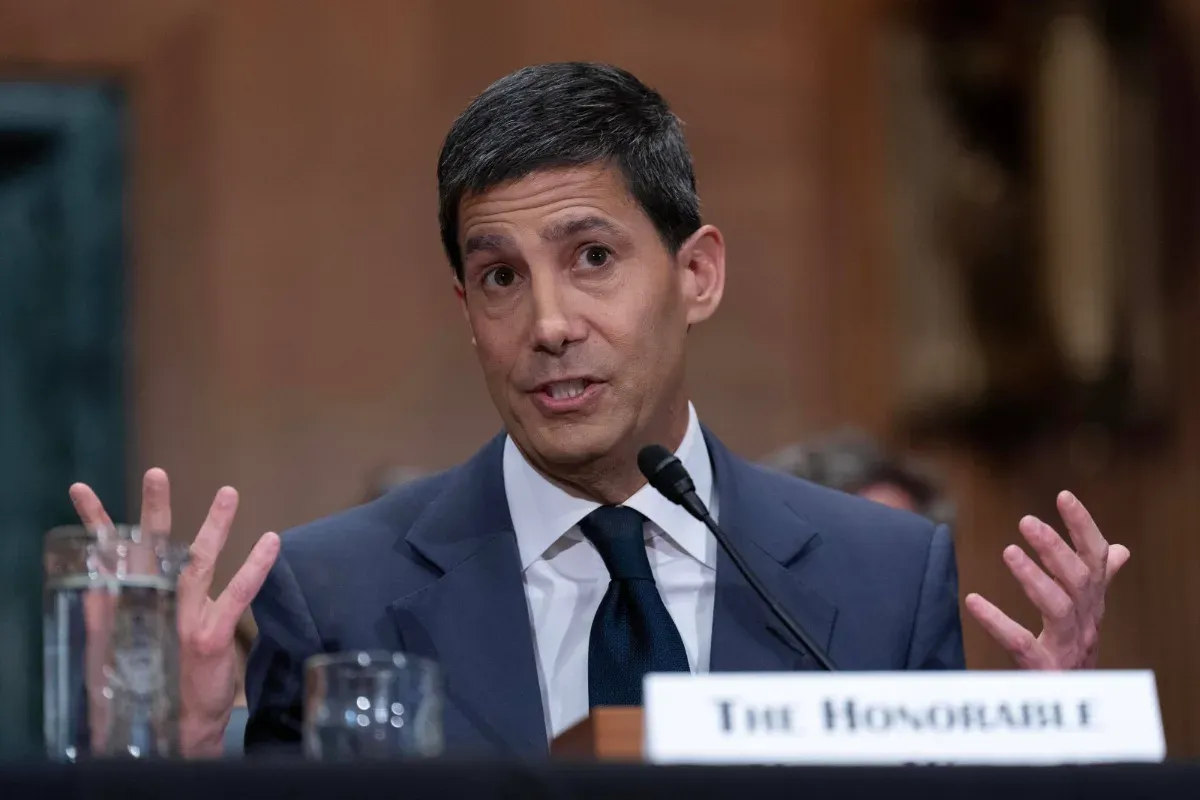
- Kevin Warsh's deregulatory push is expected to outweigh his quantitative tightening headwind, making the net impact positive for JPMorgan, BofA, and Wells Fargo
Kevin Warsh was officially sworn in as Fed chair on May 15, 2026, ending Jerome Powell's eight-year tenure. His two-pillar policy agenda — quantitative tightening and deregulation — carries significant implications for JPMorgan Chase, Bank of America, and Wells Fargo.
Kevin Warsh took the helm of the Federal Reserve on May 15, 2026, replacing Jerome Powell after eight years. Two core policy directions define his agenda: shrinking the Fed's balance sheet (quantitative tightening) and reducing banking regulations inherited from the 2007–2009 financial crisis. Both will directly affect the profitability of large U.S. banks including JPMorgan Chase (JPM), Bank of America (BAC), and Wells Fargo (WFC).
Balance sheet reduction — a modest funding headwind
Warsh opposes the Fed holding large volumes of short-term Treasuries and mortgage securities, which have historically injected liquidity into the banking system and allowed banks to pay depositors lower rates. If he begins selling off those assets, liquidity drains, and banks may be forced to pay higher rates on deposits — good for savers, but a headwind on net interest margins. Analysts note that on core interest rate policy, Warsh's stance is unlikely to diverge dramatically from Powell's data-driven approach.
Deregulation — the bigger upside for big banks
The larger opportunity lies in deregulation. Warsh believes post-crisis rules have constrained financial system growth and plans to cut compliance costs and lower capital requirements. That directly expands banks' lending capacity. A bank that can lend more, earns more. Currently, the U.S. economy is in a funding boom — in manufacturing, AI infrastructure, and the space economy — but most of that lending is happening in private credit markets outside the regulated banking system. Deregulation could reopen that door for the major banks.
The banks have largely been shut out of the current lending boom in AI infrastructure, manufacturing, and the space economy. Warsh's deregulation push could change that.
Brett Schafer / The Motley Fool
Net verdict: positive for big bank stocks
JPMorgan Chase recently posted record net income of $58 billion, while Bank of America earned $32 billion. On top of that earnings base, deregulation could serve as a meaningful catalyst. Analysts broadly view the deregulation upside as outweighing the quantitative tightening headwind over the long term. At current valuations, the large bank stocks are positioned as solid long-term plays in the Warsh era.
- JPM: Record net income $58B, stock ~$302
- BAC: Net income $32B
- WFC: $110M discrimination settlement resolved, stock holding firm
- Shared risk: Higher deposit funding costs if QT accelerates
- Shared opportunity: Deregulation opens AI/manufacturing/space economy lending
Frequently Asked Questions
Who is Kevin Warsh?
Kevin Warsh is an economist who became Federal Reserve chair on May 15, 2026. He previously served as a Fed governor under President George W. Bush. His key policy positions include shrinking the Fed's balance sheet and reducing post-crisis banking regulations.
How does quantitative tightening affect banks?
When the Fed sells assets like short-term Treasuries and mortgage securities, it removes liquidity from the financial system. Banks then face pressure to raise deposit rates to attract funding, compressing net interest margins. Analysts see this as a manageable headwind rather than a major threat.
What does deregulation mean for bank profitability?
Lower capital requirements and reduced compliance costs directly expand banks' capacity to lend. Currently, most AI infrastructure, manufacturing, and space economy lending happens in private credit markets outside regulated banks. Deregulation could allow JPMorgan, BofA, and peers to re-enter those markets.
What is the investment case for big bank stocks?
JPMorgan Chase posted record net income of $58 billion and BofA earned $32 billion. On top of that earnings power, Warsh's deregulatory push could serve as a meaningful catalyst. Analysts broadly rate the deregulation upside as outweighing the quantitative tightening headwind over the long term.
Will Warsh change how the Fed sets interest rates?
Likely not dramatically. His stated interest rate philosophy is data-driven and inflation-focused, similar to Powell's approach. The bigger divergence will show up in how he manages the Fed's balance sheet and banking regulation — not in the federal funds rate itself.

ExxonMobil Posts 4-Year-High Profit but Misses Estimates as AbbVie, Colgate Among 23 Companies Report Earnings
 XOM
XOM LIN
LIN LYB+25
Louis Bacon's Q1 2026 Portfolio — SPY Stake Surges, RSP and GLD Fully Sold
 SPY
SPY TLT
TLT QQQ+4
QQQ+4
Li Lu Q1 2026 Portfolio — Adds Moody's, S&P Global; Cuts Bank of America Stake 71%
 GOOGL
GOOGL GOOG
GOOG PDD+6
PDD+6Wall Street's Defining Moments
See more


Sunday's SEC 8-K Earnings Filings Quiet, but Royal Gold Doubles Net Income and Launches Buyback
 RGLD
RGLDVeritone Earnings Shock Sends Shares Down 23%...York Space Systems Among 25 US Companies Filing SEC 8-K Earnings Reports
 YSS
YSS CODX
CODX IPWR+26
Applied Materials Posts Record Q3 Revenue of $9.1 Billion, All-Time High EPS
 AMAT
AMATSmart Money Briefing
Weekly summaries of Wall Street guru moves and crypto whale activity.