Buffett's Lifelong Tech Aversion Ends: Berkshire's McLane Goes Live with Autonomous Trucks
Berkshire Hathaway subsidiary McLane has launched fully driverless long-haul trucking operations with Aurora Innovation (AUR). The SAE Level 4 system will scale to 200 trucks by year-end; AUR shares surged over 10% on the news.
- Berkshire's McLane launched fully driverless long-haul trucking with Aurora Innovation (AUR) on the Dallas–Houston corridor
- AUR shares surged 10%-plus; 200 autonomous trucks planned for Sun Belt routes by year-end
Fully driverless long-haul operations launched with Aurora Innovation — 200 trucks to be deployed by year-end, AUR shares jump 10%.
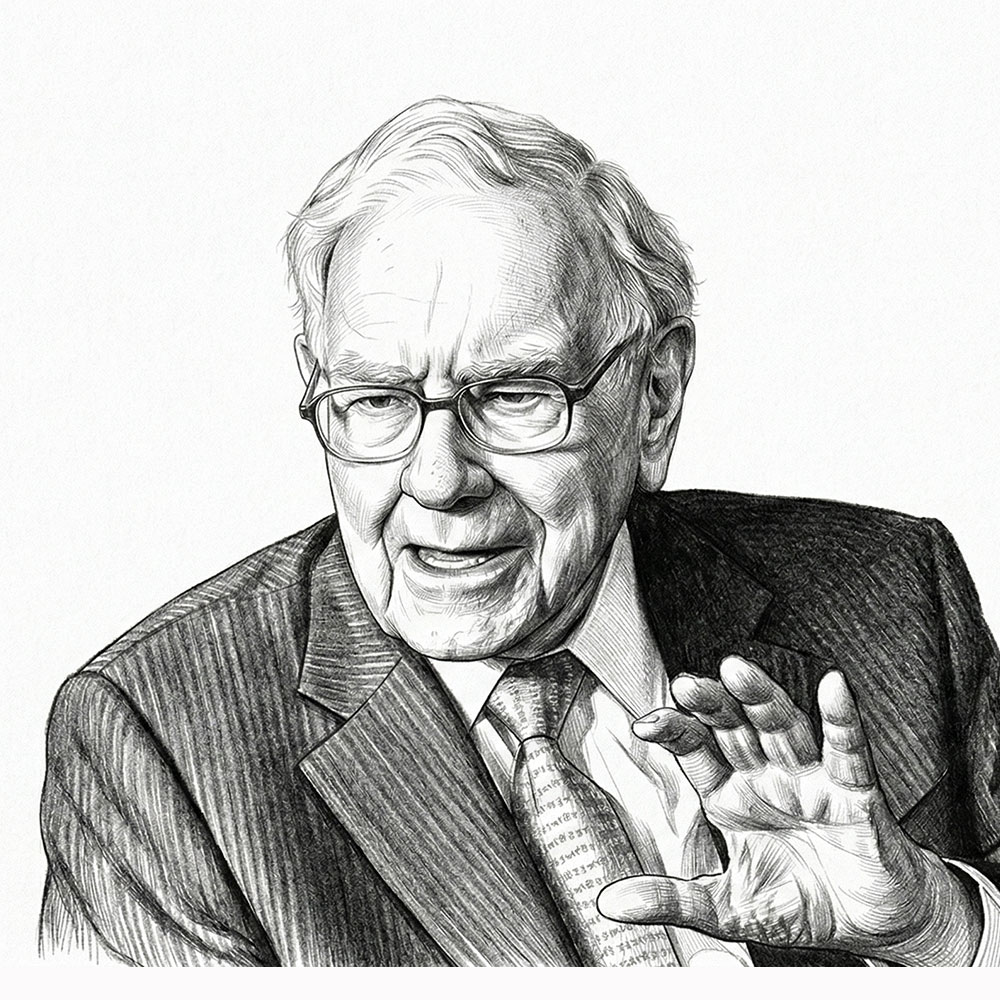
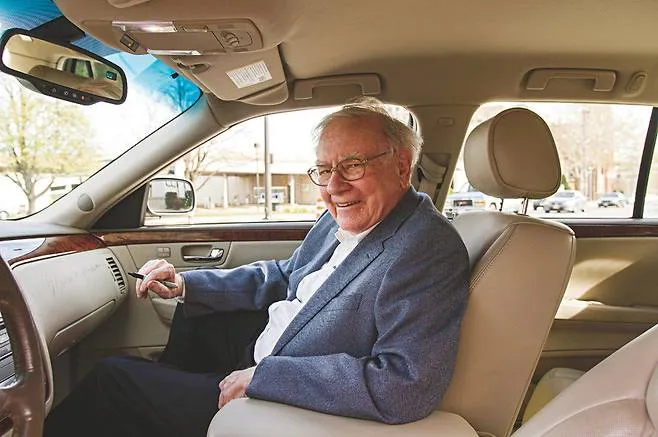
Warren Buffett has long avoided technology investments. He famously sat out the dot-com boom and later admitted he missed Amazon. Now, one of his core subsidiaries has put autonomous trucks on live freight routes.
McLane Company, Berkshire Hathaway's food distribution subsidiary, has partnered with Aurora Innovation (AUR) to launch fully driverless long-haul trucking operations.
After a 3-Year Pilot, Now 'Fully Driverless' — What Changed
McLane and Aurora have been running supervised pilot operations on the Dallas–Houston corridor since 2023. That pilot has now been upgraded to fully driverless commercial service.
Aurora's self-driving system is rated SAE Level 4, meaning it can operate entirely without a human driver within a defined operational domain. During the pilot period:
- Two round trips per day
- Seven days a week
- Met McLane's rigorous scheduling requirements
- Built the operational case for a full driverless transition
200 Trucks by Year-End — Volvo Deal and Dallas–Oklahoma City Route Added
Aurora plans to begin deploying new trucks manufactured by Volkswagen subsidiary International LT this quarter, scaling to 200 vehicles on the road by year-end. McLane will use these trucks to supply food and grocery products to restaurant clients across the U.S. Sun Belt.
On the same day, Aurora separately announced a contract with Volvo Autonomous Solutions covering a 200-mile Dallas–Oklahoma City corridor.
AUR shares surged more than 10% on the day of the announcement.
Why McLane Matters — The Supply Chain Behind Burger King and Wendy's
McLane is one of the largest food and consumer goods distributors in the United States.
- Key customers include Burger King, Wendy's, 7-Eleven, and thousands of convenience stores and restaurants
- Berkshire Q1 2026: McLane's segment revenue stands at $93.6B
- Freight cost reductions translate directly into menu pricing for chain restaurants
60,000-Driver Shortage — The Economic Case for Automation
The U.S. trucking industry employed 3.58 million professional drivers as of 2024, generating annual revenues of $906 billion.
- American Trucking Associations (ATA): current driver shortage of approximately 60,000
- Projected to widen to 82,000 by year-end
- Structural labor shortfall reinforces the economic rationale for autonomous trucking
McLane is automating long-haul linehaul segments only; last-mile delivery to convenience stores and restaurants will continue to be handled by human drivers.
What This Signals
Buffett's subsidiary adopting autonomous trucking is more than a technology headline.
Berkshire only bets on what's proven. The fact that autonomous trucks have cleared a 3-year pilot and are now running on Berkshire's actual freight routes sends a clear industry signal: this technology has moved beyond the experimental stage.
For Aurora, this marks its first major commercial contract carrying the Berkshire name. Berkshire's endorsement that long-haul linehaul can be fully automated is likely to influence procurement decisions at other large-scale distributors.
Frequently Asked Questions
Will commercial autonomous trucks eliminate trucking jobs?
In the near term, long-haul linehaul drivers face the most direct impact. McLane has stated that last-mile delivery will remain human-operated. Over the longer term, broader automation of long-haul corridors could structurally reshape hundreds of thousands of driving jobs.
What is SAE Level 4 autonomy?
SAE International defines autonomous driving on a scale from 0 to 5. Level 4 means the system can handle all driving tasks within a defined operational domain with no human driver required. Level 5 represents full autonomy across all roads and conditions.
What does Aurora Innovation (AUR) do?
Aurora was founded in 2017 by engineers from Google, Tesla, and Uber. The company develops autonomous driving software — it does not manufacture trucks. Its business model involves supplying self-driving systems to commercial carriers. The McLane contract represents its first major commercial deployment.
How might this deal affect Berkshire Hathaway shareholders?
McLane is a significant revenue contributor within Berkshire's portfolio. Structurally lower long-haul freight costs could drive margin improvement over time. However, at an initial scale of 200 trucks, the near-term earnings impact is expected to be limited.
How can investors gain exposure to the autonomous trucking theme?
Options include buying AUR shares directly, or gaining diversified exposure through autonomous vehicle and EV ETFs such as DRIV, KARS, or IDRV. These ETFs hold positions across the broader autonomy value chain — including Tesla, Waymo parent Alphabet, and PACCAR (PCAR) — reducing single-stock concentration risk.

Sunday's SEC 8-K Earnings Filings Quiet, but Royal Gold Doubles Net Income and Launches Buyback
 RGLD
RGLDVeritone Earnings Shock Sends Shares Down 23%...York Space Systems Among 25 US Companies Filing SEC 8-K Earnings Reports
 YSS
YSS CODX
CODX IPWR+26
Applied Materials Posts Record Q3 Revenue of $9.1 Billion, All-Time High EPS
 AMAT
AMATWall Street's Defining Moments
See more
Sunday's SEC 8-K Earnings Filings Quiet, but Royal Gold Doubles Net Income and Launches Buyback
RGLDVeritone Earnings Shock Sends Shares Down 23%...York Space Systems Among 25 US Companies Filing SEC 8-K Earnings Reports
YSSCODXIPWR+26Applied Materials Posts Record Q3 Revenue of $9.1 Billion, All-Time High EPS
AMATSmart Money Briefing
Weekly summaries of Wall Street guru moves and crypto whale activity.