
INTC Still Undervalued After 80% Rally? The Hidden Value Play in AI's Rebound
Intel has surged more than 80% this year, yet it continues to trade at a steep discount to peers on a forward P/S basis. The market sees Intel's foundry strategy and recovering CPU demand in the AI era as medium-to-long-term re-rating catalysts. Execution risk remains, however, as the turnaround must be validated through actual order wins and tangible earnings improvement.
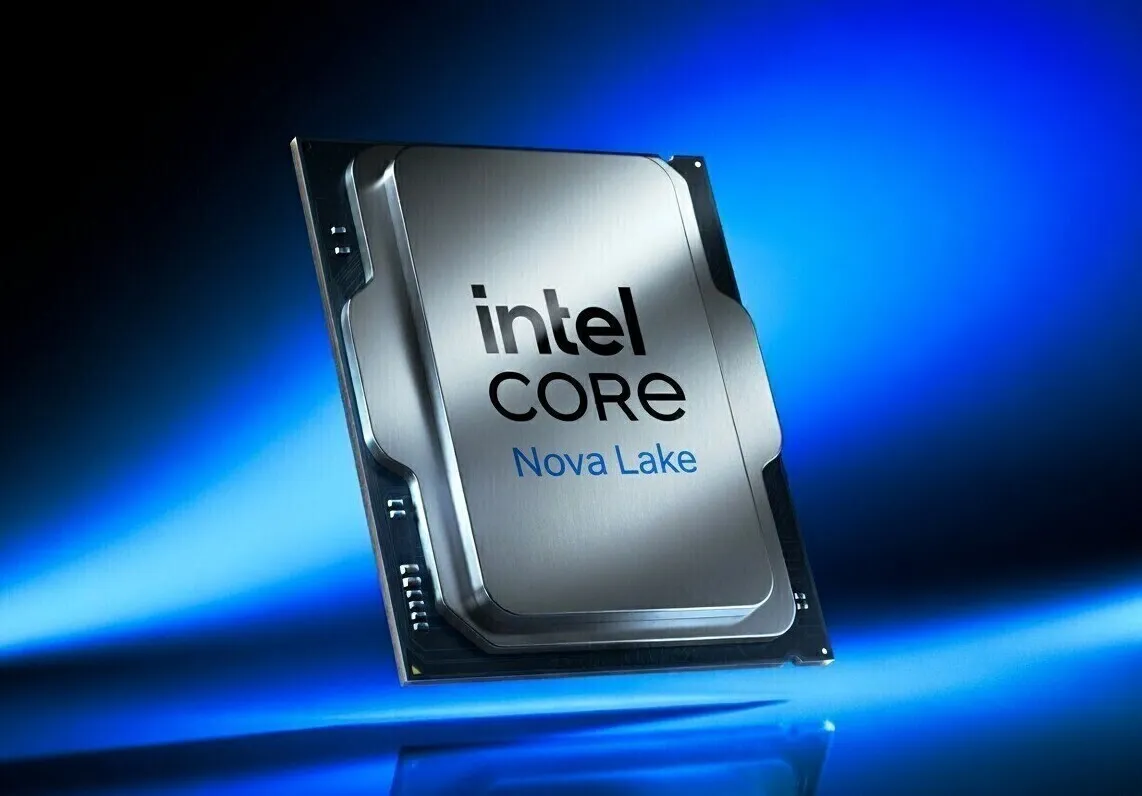
Intel (INTC) has surged more than 80% since the start of 2026, yet analysts argue the stock remains undervalued relative to its peers. In particular, Intel's forward price-to-sales (P/S) multiple — still at a significant discount to leading semiconductor names such as NVIDIA, Broadcom, and TSMC — is drawing renewed attention from the investment community.
Some market observers caution against concluding that Intel's re-rating is already complete based solely on the recent price surge. With a long-running structural restructuring converging with a reshuffling of AI demand, the argument is that Intel could evolve from a simple bounce-back trade into a genuine medium-to-long-term turnaround story.
"The Cheapest Way to Play the AI Investment Boom"
Charles Lemonides, founder and Chief Investment Officer of value-focused asset manager ValueWorks, has identified Intel as the most compelling option for investors looking to gain exposure to the AI trend. His core thesis rests on valuation: Intel simply screens as the cheapest name in the space.
Intel's forward P/S ratio sits at roughly 3x — materially below the sector average, let alone leading semiconductor peers. This implies the market is still applying a substantial discount to reflect ongoing uncertainty around Intel's structural transformation.
Turnaround Underway, But Foundry Investment Weighs on Near-Term Profitability
Intel is not simply recovering earnings — it is undergoing a fundamental business model transformation. New semiconductor foundry construction, capacity expansion, and the long-term restoration of manufacturing competitiveness are all advancing in parallel.
Near-term profitability remains a headwind throughout this process. Heavy upfront capital expenditures are pushing the forward price-to-earnings (P/E) ratio to elevated levels, making it difficult to frame Intel's undervaluation through conventional earnings-based metrics alone.
Ultimately, the market is valuing Intel less on current depressed profitability and more on the credibility of a future revenue recovery and the restoration of its manufacturing edge — a judgment call that remains the central debate among investors.
April's Sharp Rally Driven by Policy Tailwinds, AI Hopes, and Business Restructuring
Intel shares surged more than 50% in April alone, a move the market attributes to a confluence of factors: growing expectations for U.S. policy support to expand domestic semiconductor manufacturing, a renewed focus on CPU demand in the AI era, and optimism around new partnerships and business diversification initiatives.
Notably, sentiment shifted as Intel — long sidelined from the AI semiconductor rally — began receiving credit simultaneously for a reassessment of the CPU's role in AI workloads and the prospect of a manufacturing comeback. Some market participants have gone so far as to say Intel has secured a "lifeline back to relevance" after years of underperformance.
The Real Question: Execution, Not Just Valuation
The bull case for Intel ultimately rests on two pillars: a valuation that remains cheap relative to peers, and the structural recovery potential as AI demand intersects with its foundry ambitions.
The risks, however, are equally clear. A turnaround cannot be built on expectations alone. Foundry investments must translate into real customer wins and improved financial results, and any recovery in CPU demand for AI must prove sustainable through actual revenue growth rather than one-off optimism. The low multiple the market assigns Intel reflects precisely this execution uncertainty.
Even so, the fact that Intel's undervaluation thesis remains intact even after its sharp rally continues to attract investor interest. The narrative of Intel as a classic late-cycle semiconductor re-rating candidate — and a hidden value play in the AI era — is gradually gaining traction.
 INTC
INTCFrequently Asked Questions
인텔이 80% 올랐는데도 저평가라는 근거는 무엇인가요?
포워드 P/S 약 3배로 엔비디아·브로드컴·TSMC 등 주요 반도체 기업과 업종 평균 대비 현저히 낮습니다. 시장이 인텔의 구조 전환 과정에 여전히 높은 할인율을 적용하고 있다는 의미입니다.
인텔의 가장 큰 리스크는 무엇인가요?
파운드리 대규모 투자 비용이 단기 수익성을 짓누르고 있어 포워드 P/E가 높게 나타납니다. 파운드리 수주 확대와 AI 시대 CPU 수요 회복이 실제 매출 성장으로 이어지지 않으면 멀티플 재평가가 어렵습니다.
4월 50% 급등 배경은 무엇인가요?
미국 내 반도체 생산 확대를 뒷받침하는 정책 기대, AI 시대 CPU 수요 재부각, 신규 파트너십과 사업 다각화가 복합적으로 작용했습니다. AI 반도체 열풍에서 소외됐던 인텔에 대한 재평가 분위기가 형성됐습니다.
지금 인텔에 진입해도 되나요?
급등 후에도 밸류 매력은 남아 있다는 시각이 있지만, 턴어라운드는 기대만으로 완성되지 않습니다. 파운드리 실행력과 CPU 수요 회복이 실제 실적으로 입증되는지를 분기 단위로 확인하는 단계적 접근이 필요합니다.




Wall Street's Defining Moments
See more
Sunday's SEC 8-K Earnings Filings Quiet, but Royal Gold Doubles Net Income and Launches Buyback
 RGLD
RGLDVeritone Earnings Shock Sends Shares Down 23%...York Space Systems Among 25 US Companies Filing SEC 8-K Earnings Reports
 YSS
YSS CODX
CODX IPWR+26
Applied Materials Posts Record Q3 Revenue of $9.1 Billion, All-Time High EPS
 AMAT
AMATSmart Money Briefing
Weekly summaries of Wall Street guru moves and crypto whale activity.