The People Who Didn't Sell
January 2021 — four weeks during which GameStop reached $480. A record of an event that had never happened before in American financial history.
The People Who Didn't Sell
1. Week One of January — The Spark
Monday, January 4, 2021. The first trading day of the new year.
GameStop closing price: $17.25 — approximately four times where it had been a year earlier. The result of Keith Gill's analysis and Ryan Cohen's entry onto the board.
But most of Wall Street was still ignoring GameStop. Short interest still exceeded 140% of shares outstanding. Hedge funds hadn't changed their conviction that GameStop would eventually fall. Some had even increased their short positions as the price rose.
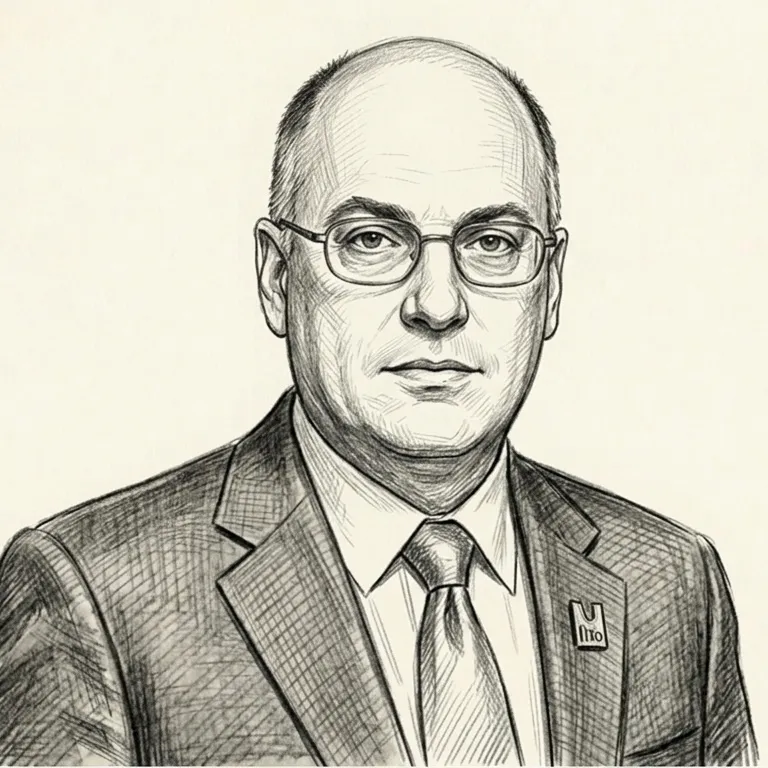
The largest position was held by Melvin Capital. Founder: Gabe Plotkin. An SAC Capital alum who had started his own fund in 2014. Assets under management: approximately $12.5 billion. One of Wall Street's rising star managers.
Melvin held large put options and short positions in GameStop. Exact figures weren't public, but estimates put the position at hundreds of millions of dollars.
On January 11, news broke that Ryan Cohen was officially joining GameStop's board — along with two of his own people. Technology specialists he had worked with at Chewy.
The market responded. GameStop rose 12% that day. Another 10% the next.
On Reddit's r/wallstreetbets, celebration was underway. Keith Gill's Reddit handle, DeepFuckingValue (DFV), was posting weekly position updates that were drawing thousands of upvotes. His $53,000 had already crossed $1 million.
2. Citron's Mistake
Tuesday, January 19, one event poured fuel on the fire.
Andrew Left of Citron Research posted on Twitter. Citron was one of America's most famous short-selling research firms. Left had published hundreds of short reports over 20 years, many of them accurate.
His tweet:
"Tomorrow at 11:30 a.m., Citron livestreams on GameStop. 5 reasons this stock is going back to $20 fast."
Reddit exploded.
A post appeared: "Citron is attacking GME. We have to stop them." Tens of thousands of upvotes. The comments filled with war language: "We don't sell." "Diamond hands." "Hold the line."
On Wednesday, January 20, Citron began the announced livestream — and ran into technical problems. Left's stream cut out, reconnected, cut out again. He later explained that Reddit users had attacked his social media. Not hacking, but mass login attempts overloading his accounts.
The stream was ultimately cancelled.
Left later published a written report: "GameStop is going to $20." His logic was grounded in traditional value analysis — business outlook, declining sales trends, uncertainty around digital transformation.
The market's reaction was the opposite. On January 20, the day Citron's report came out, GameStop surged 50% to close at $39.
A short-selling research firm published a short report — and the stock exploded. Historically unprecedented.
3. Third Week of January — Acceleration
Thursday, January 21. GameStop closing price: $43.
Friday, January 22. Closing price: $65. Up 50% in a single day.
What was happening at this point?
A short squeeze had begun.
A brief look at how short selling works. To short a stock, you borrow shares, sell them immediately, then buy them back cheaply later to return them. If the price falls, you profit. If it rises, you lose. And critically: losses on a short position are theoretically unlimited. If a stock goes from $5 to $500, the short seller loses $495 per share.
GameStop's 140% short interest meant more shares had been borrowed than physically existed. When the price started rising, short sellers needed to buy shares to limit their losses — but there weren't enough shares to buy. Many buyers, few sellers. The price explodes.
And that explosion forced other short sellers to close their positions too. More buying demand. Price rises further. This is a short squeeze — short positions being squeezed out.
On Friday, January 22, trading volume went parabolic — 197 million shares in a single day. GameStop's total shares outstanding were approximately 69 million. Nearly three times the entire float traded in one day.
That night, Gill posted his update on Reddit. The position screenshot.
Estimated value: approximately $11 million.
$53,000 had become $11 million in 18 months.
60,000 comments. One of the most-upvoted posts in Reddit history.
4. Monday, January 25 — Detonation
The weekend passed.
Monday, January 25. GameStop was trading at $96 in pre-market — up 50% from Friday's $65 close. Before the market had even opened.
The market opened. GameStop instantly broke $150. Closing price that day: $76.79. Intraday high: $159.18. Volatility was so extreme that circuit breakers triggered five times.
That same day, Elon Musk posted one line on Twitter:
"Gamestonk!!"
He attached one link — to r/wallstreetbets.
Musk's roughly 40 million followers saw the tweet. New subscribers flooded into r/wallstreetbets — approximately 600,000 new members in January 25 alone.
GameStop crossed $200 in after-hours trading.
5. Melvin Capital's 72 Hours
Monday afternoon, January 25.
Melvin Capital's offices were in crisis. Gabe Plotkin and his team were watching the GameStop position produce billions in losses every hour.
Melvin's exact GameStop short position was never disclosed. But by multiple estimates, the mark-to-market losses on that position had already reached billions of dollars.
That afternoon, emergency calls went out.
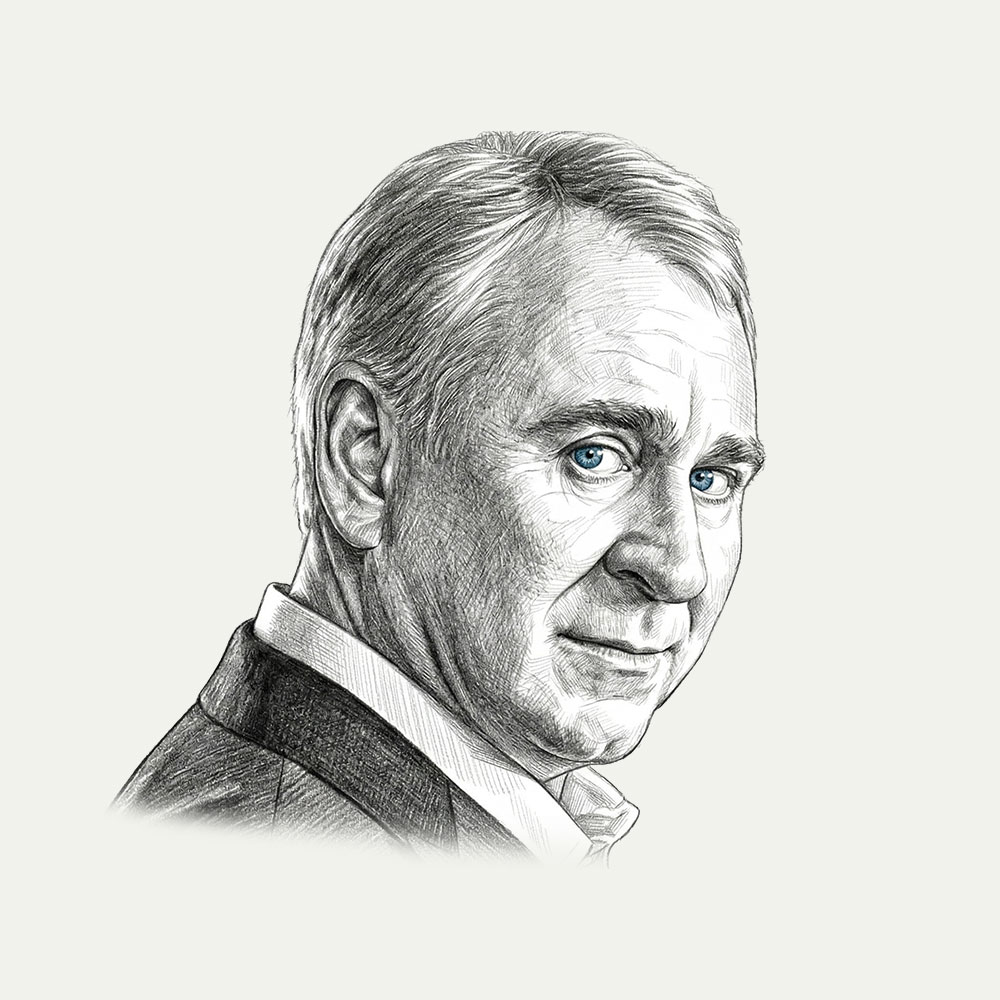
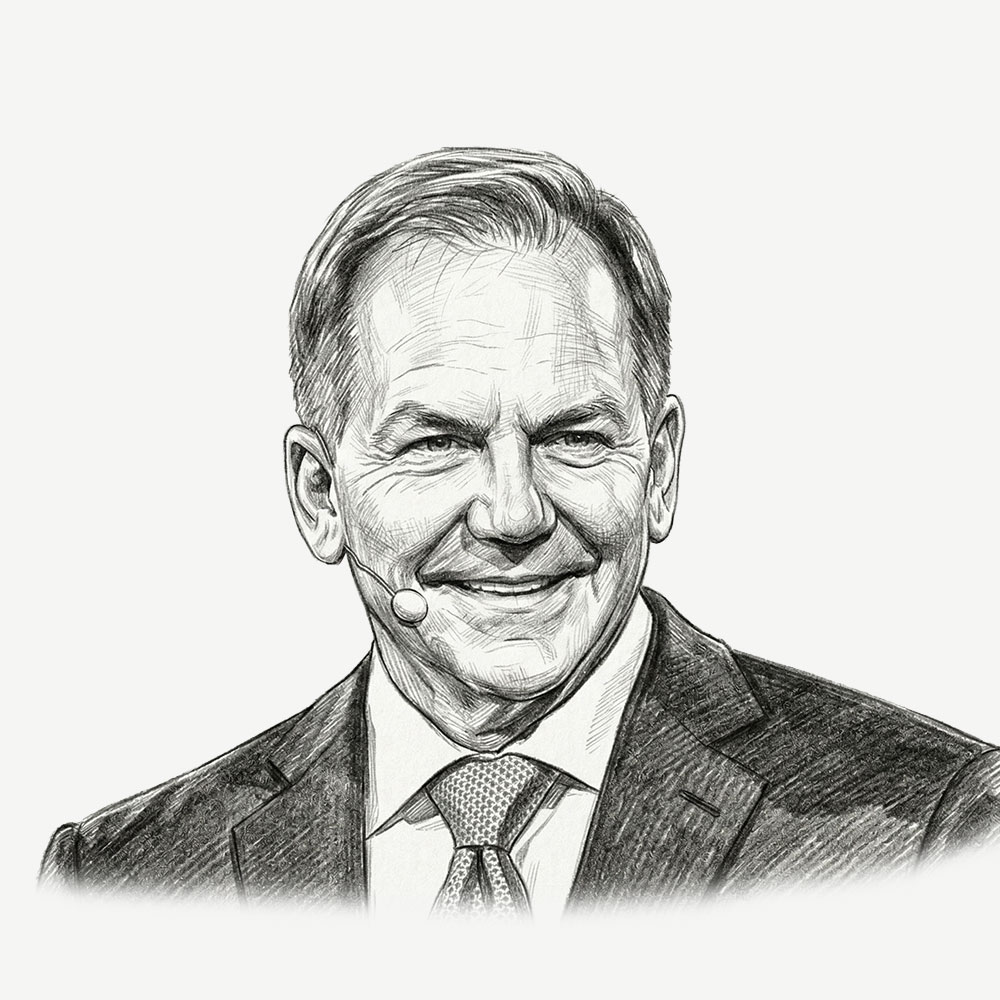
Ken Griffin of Citadel and Steve Cohen of Point72 decided to inject emergency capital: Citadel $2 billion, Point72 $750 million. Total emergency infusion: $2.75 billion.
This wasn't a loan — it was an equity investment in Melvin Capital. Citadel and Point72 became Melvin's partners. Wall Street's giants were pulling out their own money to save another giant.
The news spread. Reddit burned hotter.
"Melvin is collapsing. We're winning."
"Citadel bailed them out? Doesn't matter. Buy more."
"HOLD. HOLD. HOLD."
Tuesday, January 26. GameStop closing price: $147.98.
Wednesday, January 27. Intraday high: $380. Closing price: $347.51.
More than doubled in 24 hours. Gill's position at this point had exceeded approximately $33 million.
The mood on Reddit was at war levels. Post titles included:
"Melvin goes bankrupt. We win."
"Remember what Wall Street did to us for 10 years. 2008. They got bailed out with our taxes. This time, we judge them."
This was no longer simply a stock trade. It was a proxy war of the anger from the 2008 financial crisis.
6. Thursday, January 28 — The Buy Button Disappeared
Thursday, January 28. 6:30 a.m. Eastern time.
Millions of American individual investors woke up and opened the Robinhood app. The GameStop buy button was gone.
Robinhood had restricted buying in GameStop, AMC, BlackBerry, and several other meme stocks. Selling only.
Effectively the market was open in only one direction. People who wanted to buy couldn't. People who wanted to sell could. The price, naturally, fell.
TD Ameritrade, Interactive Brokers, and other brokers began implementing similar restrictions.
GameStop had approached $500 in pre-market before the news of restrictions spread — then crashed. Intraday low that day: $112. Down over 75% from the pre-market high.
Reddit exploded — but this time with a different kind of explosion.
"This is fraud."
"Individual investors can't buy but hedge funds can trade?"
"The game was never fair. Not from the beginning."
Alexandria Ocasio-Cortez posted on Twitter:
"Taking away the ability of individual investors to buy is unacceptable. We need hearings."
Ted Cruz retweeted his agreement with AOC — something almost unprecedented in American politics. Left and right on the same side.
Elon Musk tweeted:
"@vladtenev"
Tagging Robinhood CEO Vlad Tenev by name.
7. Why the Buy Button Disappeared
Vlad Tenev appeared on Clubhouse that afternoon. Elon Musk asked him directly:
"What happened?"
Tenev explained:
Robinhood is a broker. When customers place orders, Robinhood transmits them to the clearinghouse (the Depository Trust & Clearing Corporation, DTCC). In this process, Robinhood must post collateral. The more volatile the stock, the larger the collateral requirement.
In the early hours of January 28, DTCC demanded $3 billion in collateral from Robinhood. Robinhood didn't have that much cash. Through negotiation, the requirement was reduced to $700 million — but in exchange, Robinhood had to restrict buying in GameStop and other highly volatile stocks.
Whether Tenev's explanation was the whole truth remains debated.
One thing was clear: the system itself wasn't designed to handle a scenario like this. The U.S. stock market's settlement system runs on T+2 (trades settle two business days later). During those two days, brokers must post collateral. When volatility becomes extreme, collateral requirements become extreme — and undercapitalized brokers have no choice but to restrict buying.
But individual investors had a different interpretation:
"Citadel called Robinhood. Robinhood is Citadel's client (via PFOF). Citadel instructed Robinhood to stop buying in order to save Melvin."
This theory was never fully proven — or fully disproven. At the February 2021 congressional hearings, Ken Griffin testified that Citadel had no role in Robinhood's buying restrictions. Many people didn't believe him.
8. "I Like the Stock."
Thursday, February 18, 2021. U.S. House Financial Services Committee.
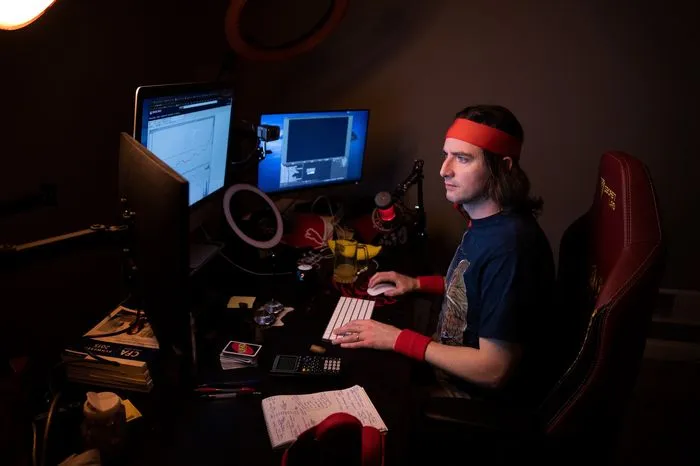
Keith Gill sat before members of Congress. It was the first time his real name had been made public: Keith Patrick Gill. Age 34. Brockton, Massachusetts. Director of Educational Marketing, Massachusetts Mutual Life Insurance.
No red headband. A suit. The camera was a video conference screen — the hearing was held online due to COVID.
Also testifying: Vlad Tenev (Robinhood CEO), Ken Griffin (Citadel CEO), Gabe Plotkin (Melvin Capital CEO), and Steve Huffman (Reddit CEO).
A member of Congress asked Gill:
"Do you regret your investment in GameStop?"
He answered:
"I don't. I invested based on my analysis. And I still hold the stock today."
"Did you ever advise people to buy this stock?"
"No. I shared my analysis. I disclosed my position. I never told anyone what to buy or sell. Not once."
Then came the final question.
"At this moment, what do you think about GameStop stock?"
Gill looked at the camera for a moment. Then spoke.
"I am not a cat."
Members of Congress looked puzzled. Most didn't know his YouTube channel was called "Roaring Kitty."
And he added:
"I like the stock."
This one line entered internet history. One individual investor's declaration before the entire U.S. Congress — facing all of Wall Street.
January 28, 2021. You are Keith Gill. As of yesterday, your position was worth roughly $48 million. This morning, Robinhood blocked the buy button. The stock is cratering from $483 down to $112. Tens of millions of dollars are evaporating from your position in real time. The entire internet is gripped by panic. "It's over." "Sell everything."
9. Three Lessons This Story Left Behind
First, the market structure is not fair.
What January 28, 2021 proved was that the market is designed to favor certain participants. T+2 settlement, collateral structures, the PFOF business model — all of this was structured to advantage large institutions and disadvantage small individuals. Understanding this structural inequality as an individual investor is the first lesson. Even if you can't change the structure, knowing it tells you where you're at a disadvantage.
Second, the power of the crowd is a double-edged sword.
The Reddit community's collective buying drove GameStop up 27x. But many in that same crowd bought at the top and took heavy losses on the crash. The difference between DFV — who had analyzed the stock for 18 months — and someone who jumped in at $483 after seeing "buy GME" on Twitter was enormous. The crowd's heat can give you an opportunity, or it can consume you. The difference is whether you studied the stock before the crowd did.
Third, "I like the stock" is the simplest possible investment declaration.
What Gill said before Congress wasn't complex analysis. He had studied a company he understood, bought it with his own money, and liked it. Investing is no simpler than this. Do you understand what you're buying? Can you explain why? Is that explanation based on your own analysis and not someone else's recommendation? If you had to stand before Congress and explain your investment, could you say it as plainly and confidently as Keith Gill did?
Once you've made your choice, reveal what the legend actually did
10. Four Weeks in Numbers
GameStop price movement
January 4: $17.25
January 22: $65
January 27 intraday high: $380
January 28 pre-market high: $483
January 28 intraday low: $112
January 29 closing: $325
Keith Gill's position
January 4: approximately $1 million
January 27: approximately $33 million
January 28 peak: approximately $48 million
January 28 low: approximately $15 million
January 29: approximately $33 million
Melvin Capital
January losses: approximately $6.8 billion (monthly return -53%)
Citadel + Point72 emergency injection: $2.75 billion
Robinhood
DTCC collateral demand: $3 billion (reduced to $700M through negotiation)
Stocks with buying restrictions: approximately 50
r/wallstreetbets
Subscribers January 1: approximately 2 million
Subscribers January 31: approximately 9 million
Over these four weeks, every participant in the American financial system collided around a single stock: individual investors, hedge funds, market makers, brokers, clearinghouses, politicians, regulators.
And all of it began, on some evening in June 2019, in a basement.
- 날짜
- 2021년 1월 28일 (Robinhood 매수 차단일)
- 주가 변동
- 483달러 → 112달러 (당일 -77%)
- 키스 길 포지션 가치
- 약 4,800만 달러 → 1,300만 달러 (당일)
- 키스 길의 선택
- 한 주도 매도하지 않음
- 레딧 게시물 제목
- GME YOLO Update — Jan 28 2021
- 게시물 결과
- 레딧 역사상 최다 어워드 게시물 중 하나
- 핵심 교훈
- "분석은 수많은 사람이 한다. 의지로 증명하는 사람은 한 명이다."
What's your take on this story?
What do you think about Keith Gill's decision?
Sign in to participate
Sign In