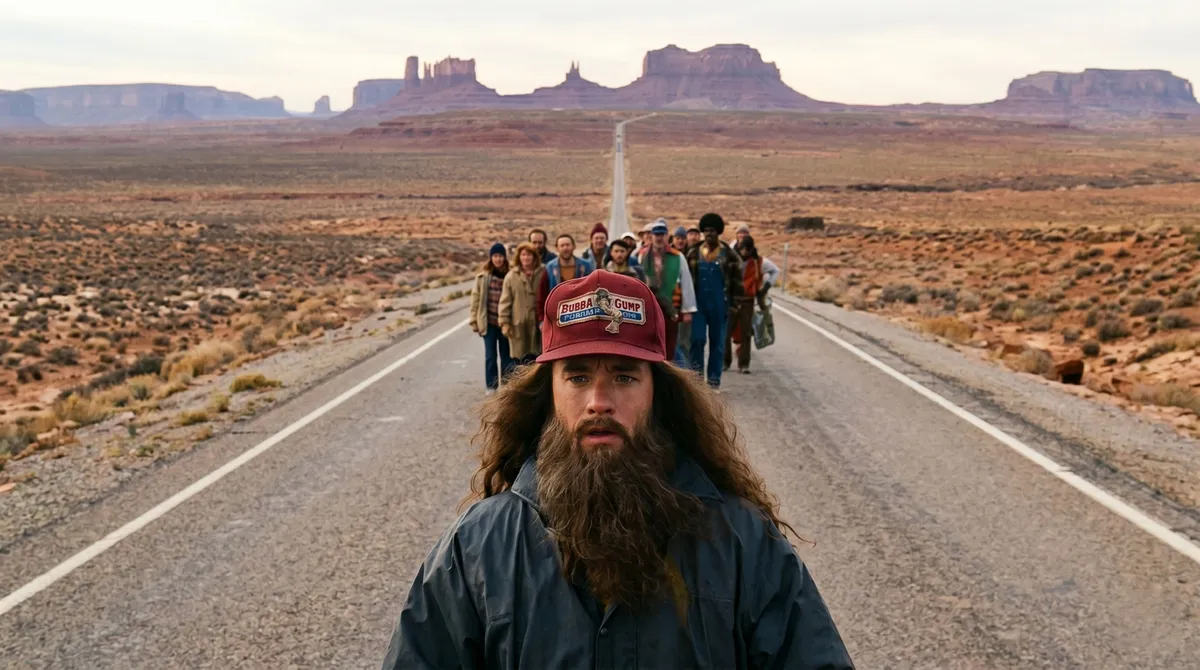
YouTube With No Viewers — The Man in the Basement
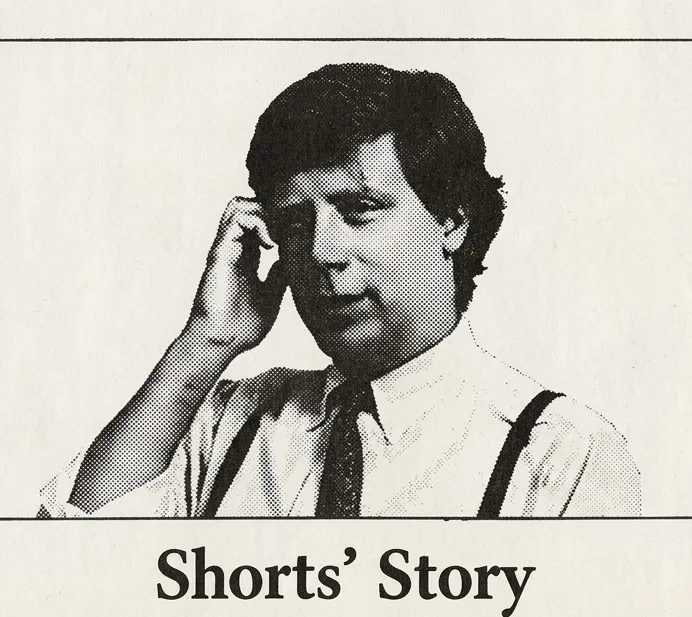
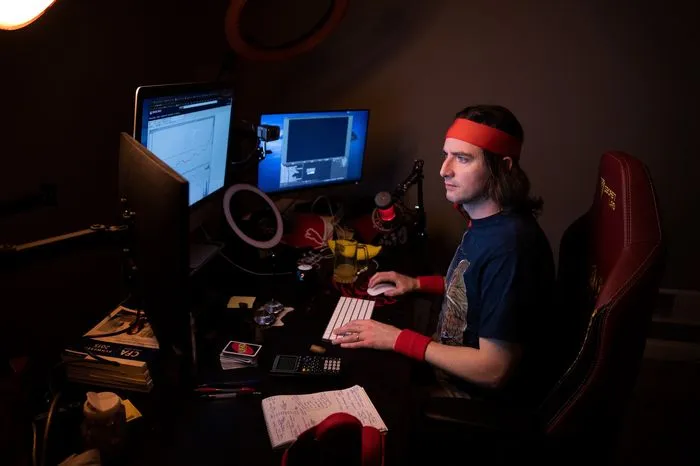
One evening in June 2019, in a basement in Brockton, Massachusetts. A man sat in front of a camera wearing a red headband and a cat t-shirt, with an awkward smile. This is the record of the day Keith Gill first analyzed the stock that would change his life.
YouTube With No Viewers — The Man in the Basement
1. Insurance Company Employee
Keith Gill was born in 1986 in Brockton, Massachusetts. A typical working-class family. His father was a truck driver; his mother was a nurse.
He was a sports-oriented teenager. He competed as a long-distance runner in high school, and continued running track at the University of New Hampshire. His mile time was 4:03 — a top-tier result for American college track.
After graduating, he took a job at an insurance company. Massachusetts Mutual Life Insurance (MassMutual). His title: Director of Financial Wellness Education — training insurance agents on financial literacy.
Salary: around $100,000 a year. Above the American average, but not a path to wealth. He was married, and had a daughter. In 2017, tragedy struck. His younger sister passed away suddenly in her early thirties. Keith Gill fell into deep grief.
During that period, he made a decision.
"Life is short. I need to spend my time on what I'm truly good at."
What was he truly good at? He saw two strengths in himself. First, the ability to analyze numbers deeply. Second, being natural in front of a camera.
There was one thing that could combine both. YouTube stock analysis.
2. The Birth of Roaring Kitty
In early 2019, Keith Gill created two online identities.
YouTube channel: Roaring Kitty. A red headband and a cat T-shirt as his trademark. The idea was to do serious stock analysis while looking slightly absurd — so viewers could watch without feeling intimidated.
Reddit account: DeepFuckingValue (DFV). An account for posting on r/wallstreetbets, America's largest retail investor community. The crude name was tailored to that community's culture. The people there didn't like the suit-and-tie look of serious analysts.
Same person, two masks. One the approachable analyst, the other the rough bettor.
In June 2019, his first serious analysis video went up on his YouTube channel. The subject: GameStop (GME). An American brick-and-mortar video game retail chain.
Wall Street's verdict on GameStop at the time was clear. "It's finished."
The logic was simple. The gaming industry was moving digital. People weren't buying games at retail stores anymore. They downloaded them on Steam, PlayStation Store, Xbox Live. GameStop was following Blockbuster Video's fate. An offline retailer destined for extinction in the digital age.
GameStop's stock reflected that verdict. Around $4 per share in mid-2019. The company's market cap had fallen below $500 million. A company that once had 7,000 stores across America was nearly gone.
Wall Street hedge funds were shorting GameStop. Heavily. By late 2019, short interest in GameStop exceeded 100% of shares outstanding. Theoretically impossible — yet possible through re-lending the same borrowed shares.
Wall Street was betting everything on GameStop dying.
Keith Gill's first video arrived at the opposite conclusion.
"This company won't die. The market is far too pessimistic."
Views: 30. Comments: 0.
The first cry he shouted from a corner of the internet.
3. What He Saw
Why did Keith Gill believe GameStop wouldn't die?
While most analysts were reading one-page summaries, he read GameStop's 10-K (annual report) and 10-Q (quarterly report) all the way through. Just as Michael Burry had read 130-page mortgage contracts to the end.
He found three things.
First, GameStop's cash holdings. The cash the company held made up a significant portion of its market cap. The market was valuing GameStop's business at nearly zero. If GameStop fully liquidated and shut down, shareholders would receive more than the current stock price.
Second, the debt structure. GameStop's long-term debt was at a manageable level. It wasn't a company about to go bankrupt immediately. There was time.
Third, share buyback capacity. GameStop had the means to buy back its own stock. When a company repurchases shares, the number of shares in circulation decreases and per-share value rises. With short interest already above 100%, if buybacks occurred, hedge funds trying to close their short positions would need to buy shares — but shares would be scarce. A short squeeze.
This was his core insight. GameStop wasn't simply undervalued. The abnormal short stack meant that if any survival signal appeared, an explosive price rise was structurally possible.
He turned this analysis into videos. Long ones — an hour, two hours at a time.
Looking at the screen, he explained calmly. "Everyone, look at these numbers. This company's cash is 50% of its market cap. The market is pricing this company as if it's on death's door."
He made a promise. "I hold this stock. I will disclose my position every week. The price I paid, current profit and loss — everything, I'll show you."
This promise set him apart from every other YouTuber.
4. $53,000
In September 2019, Keith Gill began buying GameStop shares. Initial investment: $53,000. A significant portion of his family savings. His average purchase price: approximately $5 per share.
He disclosed the purchase on Reddit. He posted a screenshot to r/wallstreetbets. "YOLO Update — GME." YOLO stood for "You Only Live Once" — the community's expression for revealing a large bet.
The post included a screenshot of his brokerage account. $53,000 in GameStop. Unrealized P&L: -$2,000. His first post showed a loss.
Comments appeared.
"This company's going bankrupt, can't you see?"
"Short interest over 100% and you're buying? Are you insane?"
"YOLO is right. Only one life to live."
Mostly mockery. Some genuine concern. Almost no support.
Keith Gill posted updates every week. The deeper the unrealized losses went, the more detailed his posts became. He didn't reply to every comment. He simply disclosed his analysis and his position.
In December 2019, his unrealized loss exceeded -50%. GameStop's stock had dropped to the $3 range. He posted even then. Loss screenshot and all.
Post title: "GME YOLO Update — Dec 2019."
The body was short.
"The analysis hasn't changed. The stock just fell further. Added more."
One comment appeared on this post.
"This guy is real. He's buying more even with losses. This is someone who actually believes his own analysis."
That comment got many upvotes. It was the first moment people began taking him seriously.
5. Nine Months of Solitude
From June 2019 to March 2020 — nine months — Keith Gill was almost entirely alone.
YouTube subscribers: around 1,000. Views per video: 100–500. Reddit post comments: an average of 10–30. Mostly mockery.
He uploaded videos every week. He dug deep into GameStop analysis. When quarterly earnings were released, he immediately made analysis videos. When news broke that new CEO Ryan Cohen would join the board, he spent a long time unpacking what it meant.
His analysis grew more sophisticated. But his audience barely grew.
In March 2020, the COVID pandemic hit the markets. U.S. stocks fell 35% in a single month. GameStop's stock crashed too. Keith Gill's unrealized losses exceeded -60%. His $53,000 had become roughly $20,000 in value.
But he didn't sell. He bought more. His cumulative investment began to grow.
During this period, he spoke about how he felt in one video.
"I might be crazy. Everyone says this company is dead. Hedge funds are shorting it at over 100%. The stock keeps falling. My family savings shrink every day."
He paused and looked at the camera.
"But I look at my analysis. I look at the numbers. This company won't die. It just needs time."
That video got 200 views.
6. Michael Burry
In August 2020, one event changed Keith Gill's life.
Michael Burry's Scion Asset Management filed its Q2 13F. Inside that filing, one line appeared.
GameStop Corporation (GME). New position.
The moment Keith Gill saw that filing, he stood up from his chair. He immediately made a video.
Video title: "Michael Burry Just Bought GameStop. Vindication."
In the video, he spoke in an excited voice. "Everyone, Michael Burry bought GameStop. The Big Short Michael Burry. He's looking at the same stock we are. The same analysis. We're not crazy."
That video's view count crossed 10,000 for the first time. His Reddit posts suddenly began attracting attention. People started going back to read Keith Gill's older analysis.
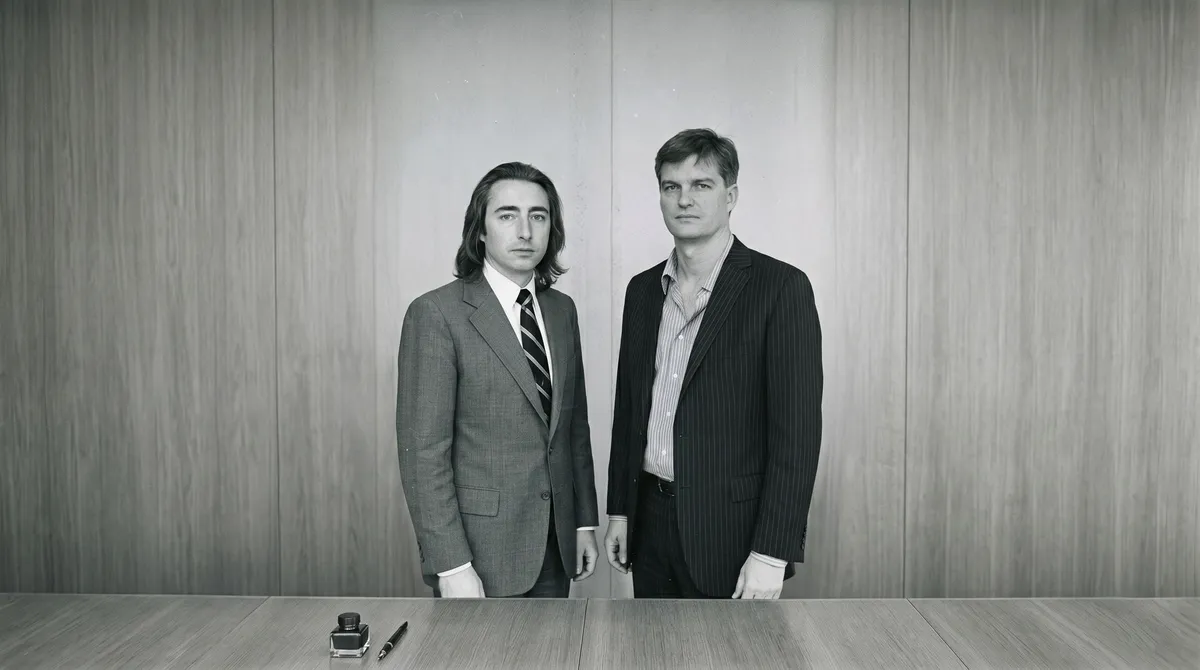
Keith Gill and Michael Burry had never met. They didn't know each other existed. But they had arrived at the same conclusion — through different paths, by different methods.
A legend and an unknown analyst had seen the same stock.
7. Proof That He Was Right
In September 2020, Ryan Cohen officially joined GameStop's board. He was the founder of Chewy, which he had sold to PetSmart for $3.35 billion — one of America's most successful e-commerce entrepreneurs.
The news of Cohen's board entry alone began moving GameStop's stock. The price in the $4 range broke through $10.
Keith Gill's unrealized P&L turned positive for the first time. The first time in the black after 18 months.
He posted on Reddit. "GME YOLO Update — Sept 2020. We're back."
That post received over 1,000 comments. For the first time, support rather than mockery dominated.
"DFV, you were real. Sorry we doubted you."
"A person who held for 18 months without selling once and kept adding. I'm following him."
"DFV was right. Let's all buy GME."
After this post, a GameStop buying movement began on r/wallstreetbets. First tens of people. Then hundreds. Then, by late 2020, tens of thousands.
GameStop's price rose to $12 in October, $18 in November, $25 in December. Keith Gill's $53,000 had become $500,000. Without ever having sold.
And January 2021 was approaching.
March 2020. You are Keith Gill. You've spent nine months analyzing GameStop and invested $53,000 of your own money. You're sitting on a 60% loss. Everyone is laughing at you. Your family's savings have been cut in half. COVID-19 is sending the entire market into freefall.
8. Three Lessons This Story Left Behind
First, an ordinary person can reach the same conclusions as a legend through deep analysis.
Keith Gill was not a genius. He was an insurance company employee with no connection to Wall Street. His analytical tools were SEC public filings — accessible to anyone. But he read those filings all the way through. Just as Michael Burry read 130-page mortgage contracts to the end. The era of information asymmetry is over. SEC EDGAR, company IR materials, quarterly earnings releases — all free. The gap comes not from information but from the patience to read it all the way through. Most Korean individual investors never read a quarterly report before buying a stock. That's where alpha hides.
Second, whether you can endure nine months of solitude determines everything.
Keith Gill's real asset was not his analytical ability. It was enduring nine months of ridicule. Most individual investors waver at -10%, despair at -30%, and cut losses at -50%. Keith Gill bought more at -60%. Not because he had a uniquely strong heart — but because he reviewed his analysis every day, and as long as the analysis hadn't changed, his actions didn't change either. The most important question when you buy any stock is: "Can I hold this position if it falls 60% and still not change my analysis?" If the answer is no — don't buy it. Or buy very little.
Third, publicly disclosing your own defeats is the strongest form of trust.
Keith Gill kept posting even when his unrealized losses were deep. He showed the loss screenshots without editing. Most YouTubers, influencers, and analysts go silent when they're wrong. That's why even when they claim to be right, people don't believe them. Gill was the opposite. Because he had honestly disclosed his position every week for 18 months even while losing, when he finally turned positive in September 2020, people trusted him genuinely. Trust is built not when you win, but when you lose. A principle that applies to content creators, investment bloggers, and anyone building a personal brand.
Once you've made your choice, reveal what the legend actually did
9. The Eve of the Storm
December 31, 2020. GameStop closing price: $18.84.
Keith Gill's unrealized P&L: approximately +200%.
YouTube subscribers: approximately 50,000.
Influence on Reddit's r/wallstreetbets: explosive.
But compared to what he had endured over the past 18 months, what was coming in the next 30 days was beyond imagination.
In January 2021, GameStop's stock would surge from $18 to $480. In just four weeks. Keith Gill's $53,000 would, at its peak, become $48 million.
A single YouTuber from a basement was about to collide head-on with Wall Street's largest hedge funds.
But that is the next chapter's story.
On some evening in June 2019, in a basement in Brockton, Massachusetts, a man was sitting in front of a camera.
He wore a red headband.
He wore a cat T-shirt.
He held $53,000 worth of stock bought with his family savings.
He believed in his own analysis.
And he was alone.
The first sentence he spoke toward that camera that evening was this:
"Hey everyone. Today we're going to talk about GameStop."
From this one sentence.
A chapter of American financial history began.
- 키스 길의 방법
- SEC 공시 직접 읽기, 유튜브/레딧으로 공개 분석, 포지션 매주 공개
- 마이클 버리의 방법
- 130쪽 약관 직접 읽기, 비공개 분석, 13F로만 공시
- 공통점
- 남들이 안 읽는 원본 자료를 끝까지 읽음
- 차이점
- 버리는 고독 속에서 혼자 싸움, 길은 공개 투명성으로 군중을 모음
- 결과
- 버리 489% → 은퇴. 길 $53K → $48M → 미국 의회 청문회
What's your take on this story?
What do you think about Keith Gill's decision?
Sign in to participate
Sign In