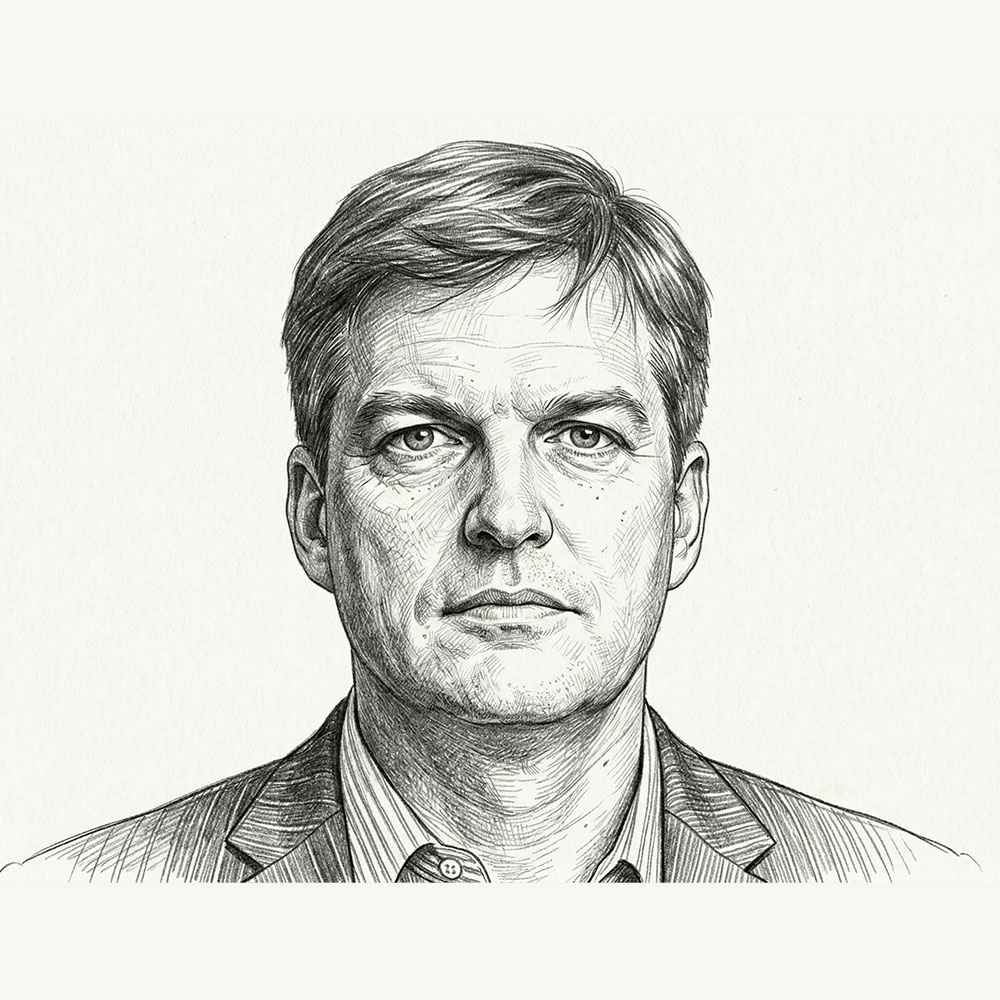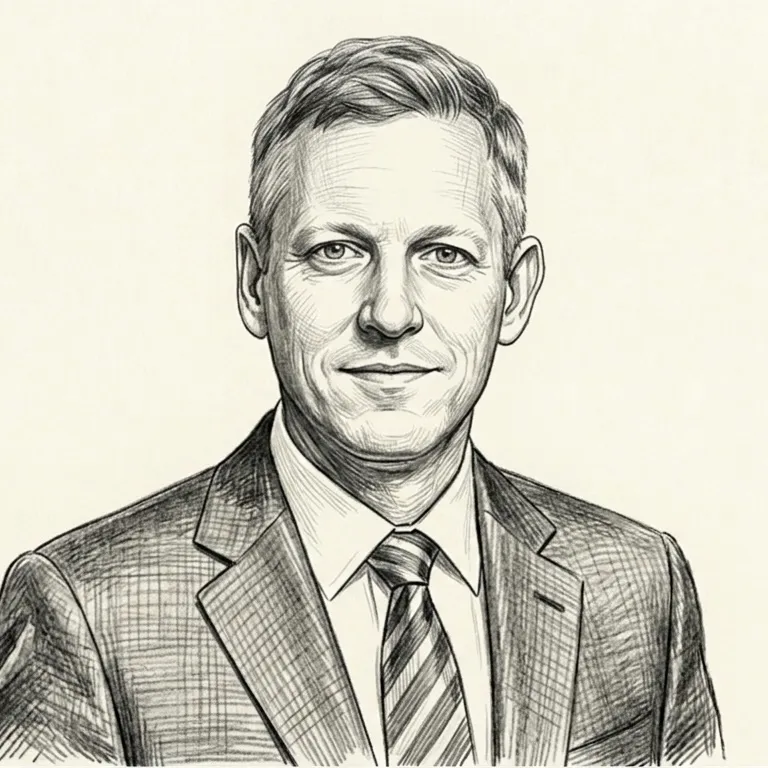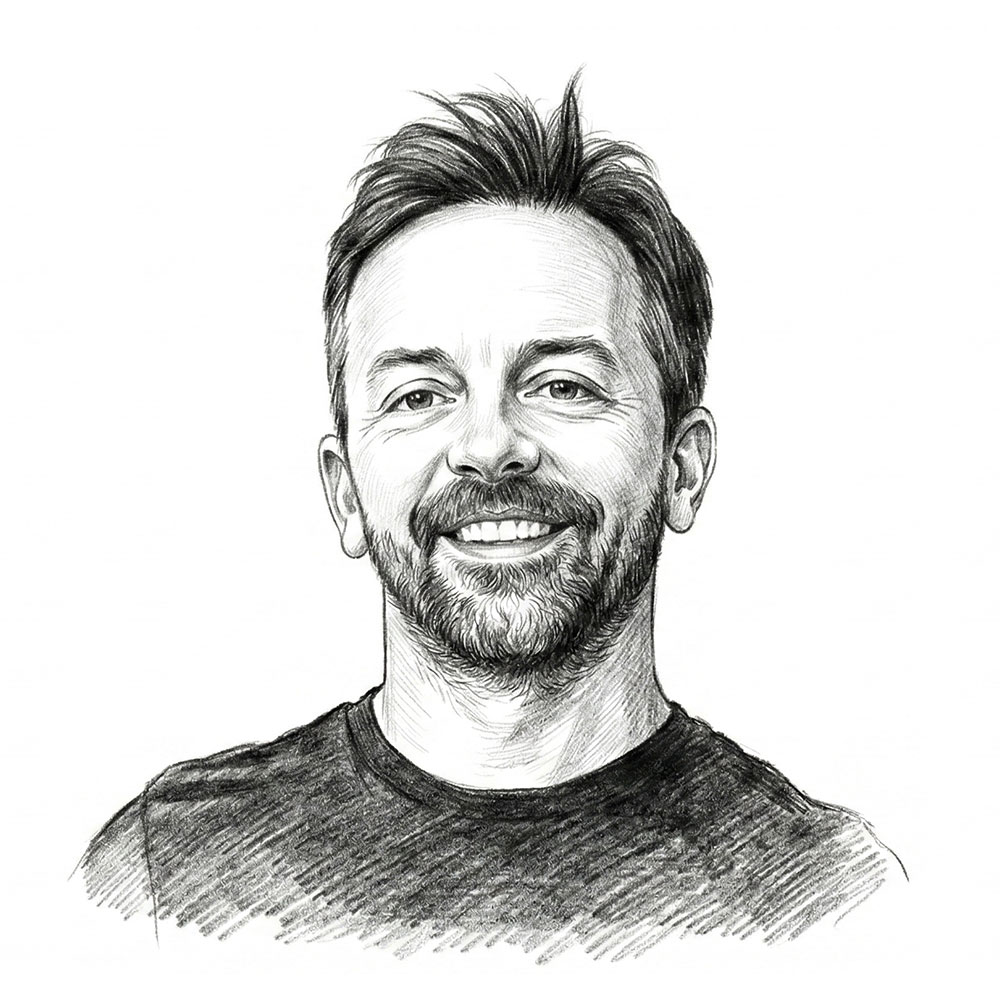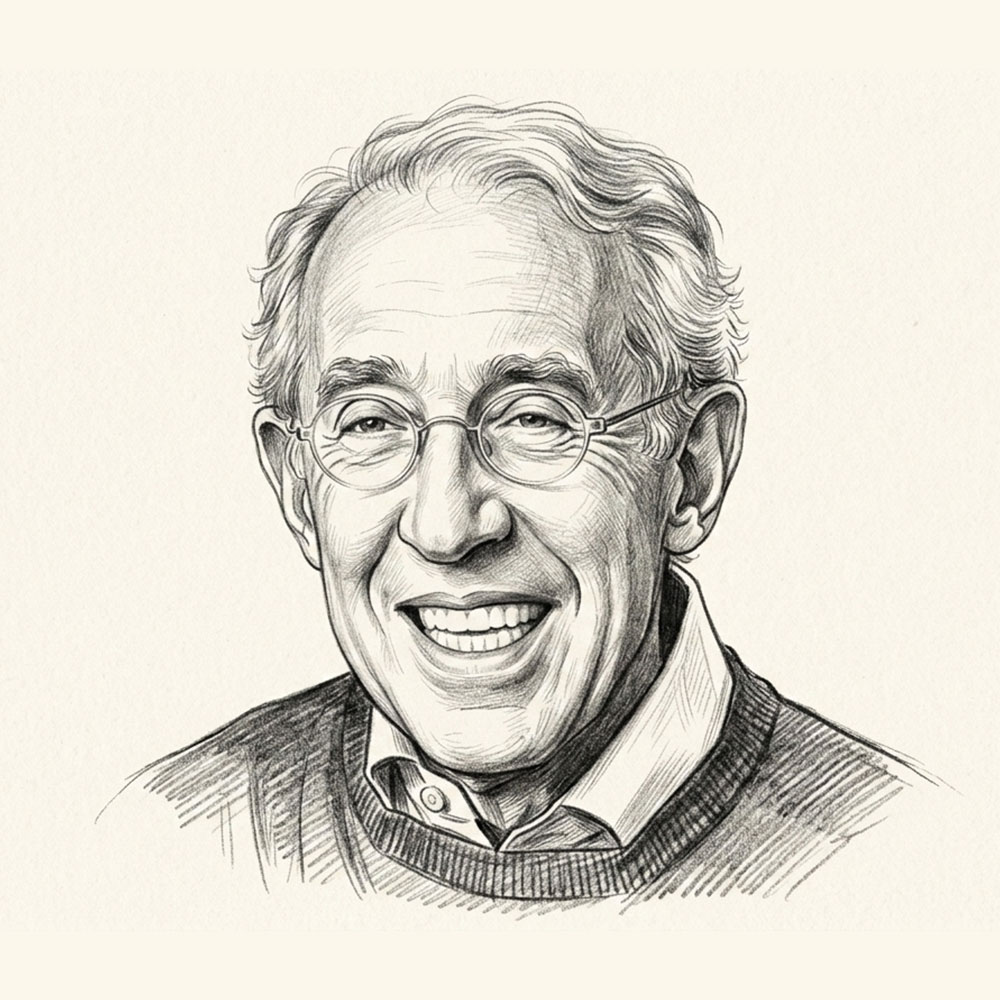
The PayPal Mafia — An Empire Born from a Single Photograph
A single photograph published by Fortune in 2007. Six men. Over a trillion dollars in value created. The origins of Silicon Valley's most powerful network, born inside PayPal.
The PayPal Mafia — An Empire Born from a Single Photograph
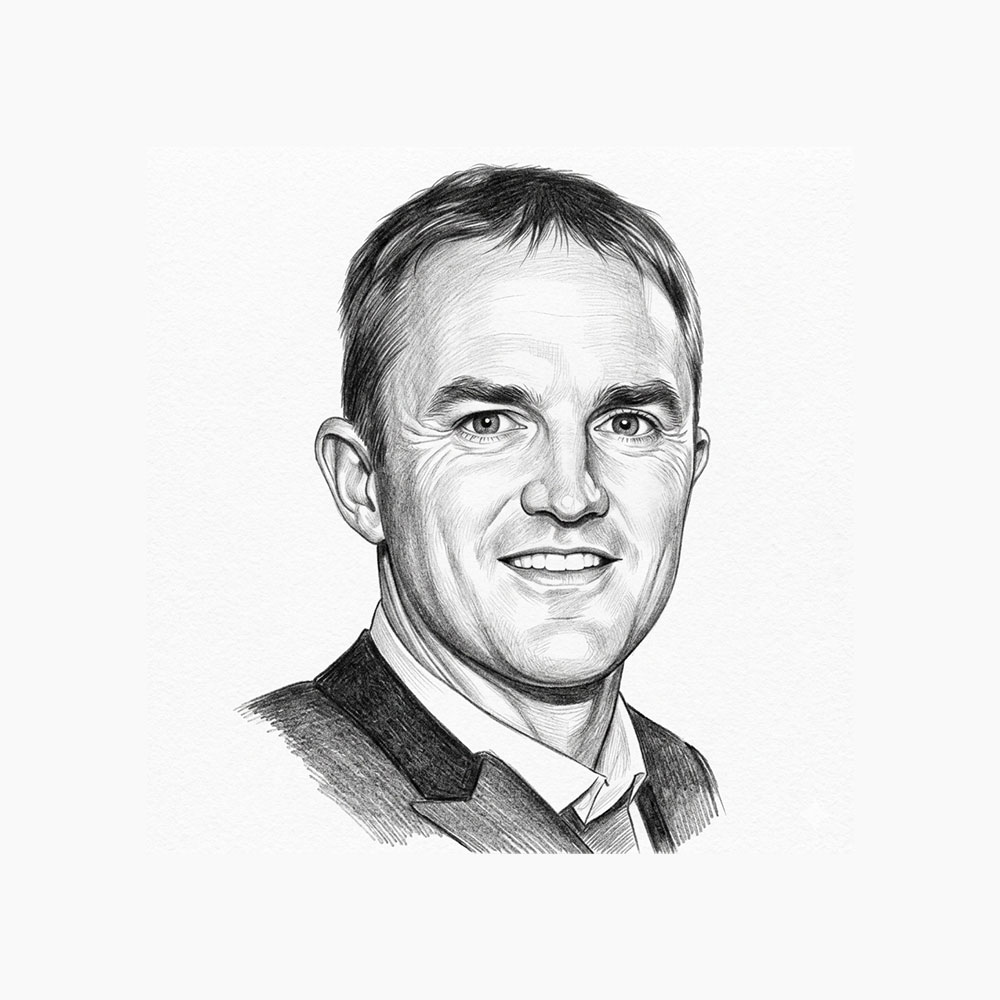
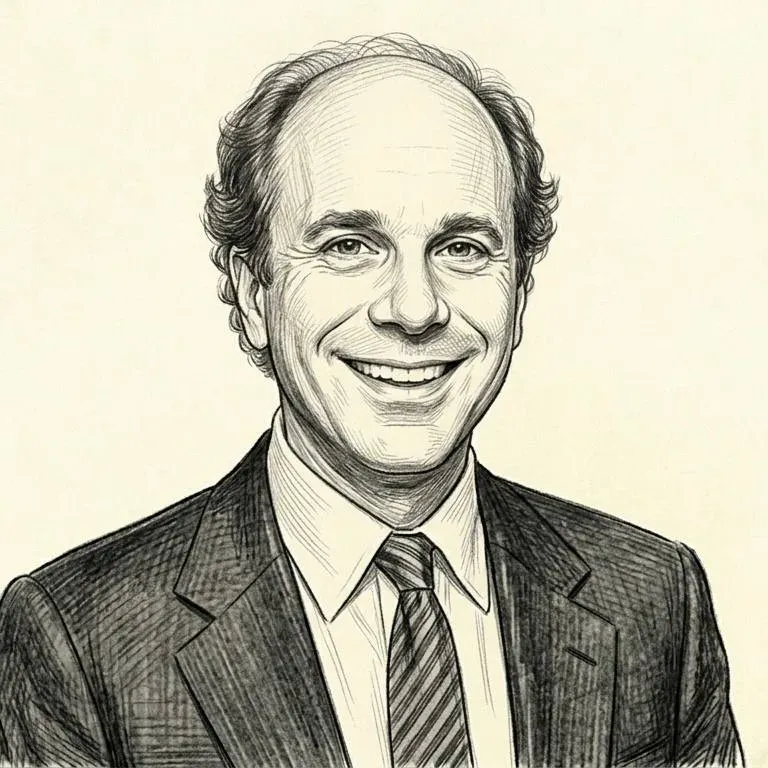
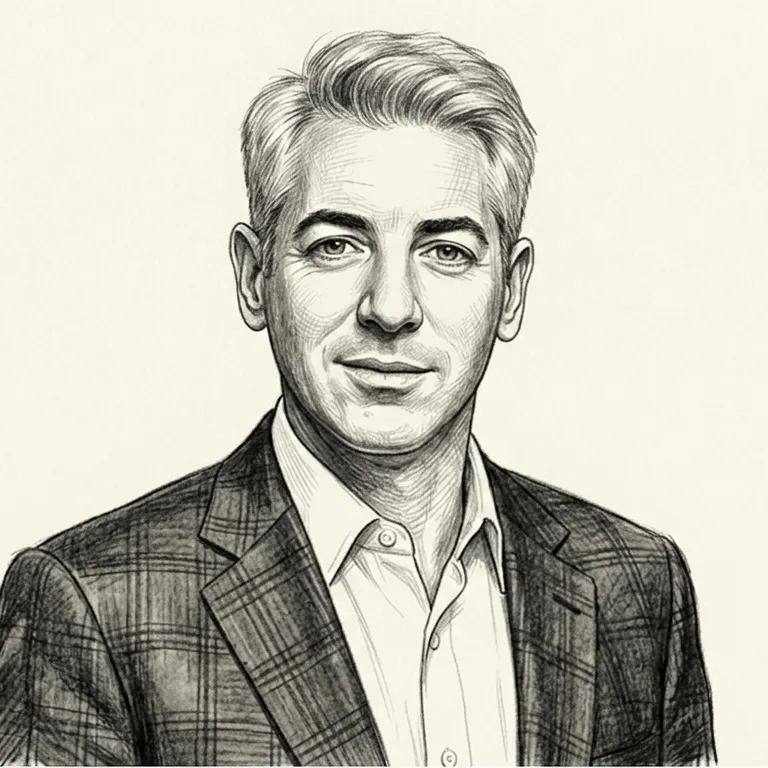
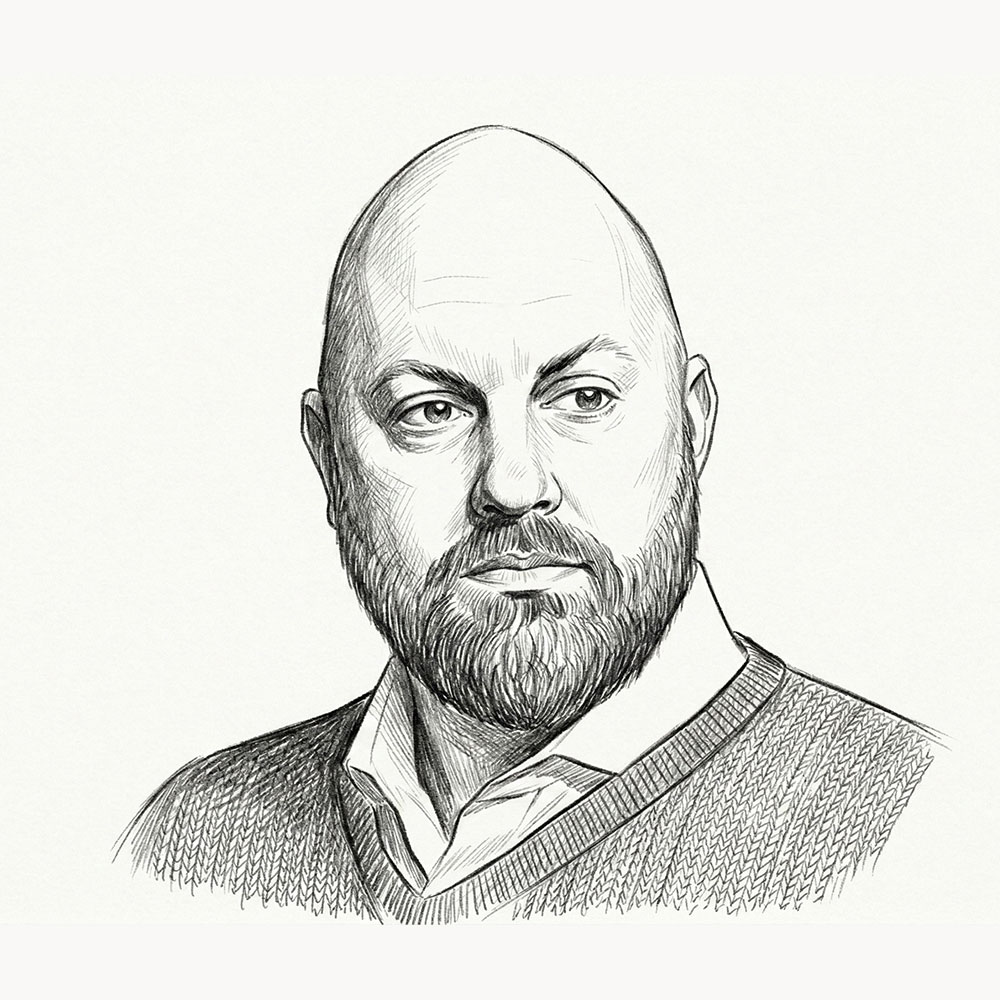
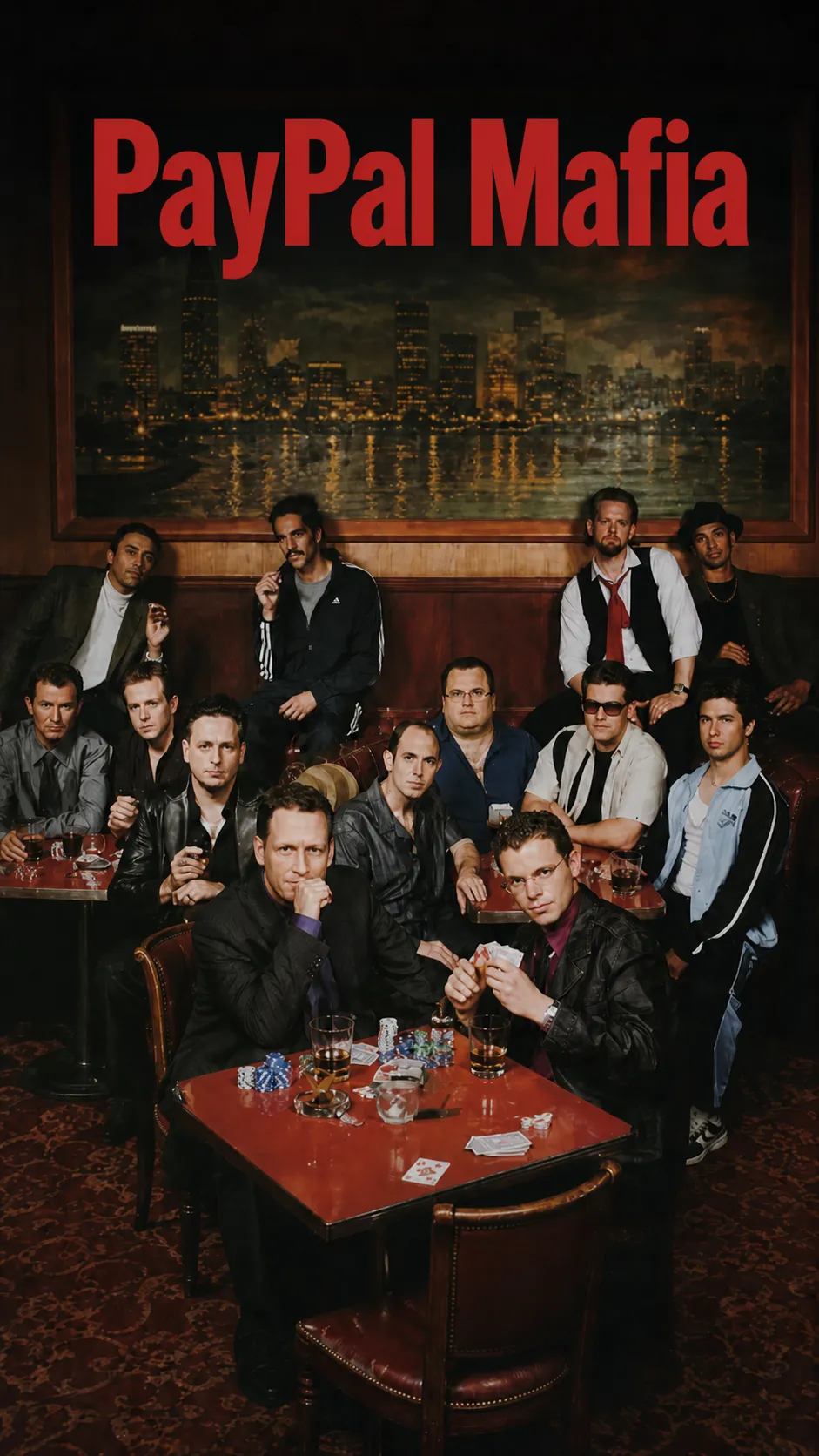
In 2007, Fortune magazine ran a photograph. Six men posed like characters from a gangster movie. Suits, sunglasses, crossed arms. The caption below: "PayPal Mafia." The combined value of the companies founded by the people in that photograph exceeded one trillion dollars. This is the story of Silicon Valley's most influential network — one that began with the team Peter Thiel assembled.
1. The Boy from Germany
Peter Andreas Thiel. Born October 11, 1967, in Frankfurt, Germany. His family emigrated to the United States when he was one year old. His father, Klaus Thiel, was a chemical engineer. The family lived in Cleveland, South Africa, and Namibia before settling in California. Peter grew up a stranger in many lands.
From an early age, Thiel was consumed by two things: chess and science fiction.
In chess, he climbed to 7th in the U.S. national rankings for players under 13. What chess taught him went beyond strategy.
"The way to win at chess is to not play the move your opponent expects."
That way of thinking became the foundation of his investment philosophy.
In science fiction, he devoured Isaac Asimov, Arthur C. Clarke, and J.R.R. Tolkien. Worlds where the rules of the existing order didn't apply. New systems. New possibilities. He would later say:
"Science fiction is not about predicting the future — it's a license to imagine it."
He graduated with a philosophy degree from Stanford, then earned his J.D. from Stanford Law School. After graduating, he applied for a federal Supreme Court clerkship — the most prestigious position in American law. He was rejected.
That rejection changed his life.
"If I had become a Supreme Court clerk, I would have become a good lawyer. And that would have been the end of it. Being rejected was the best thing that ever happened to me."
Much like Charlie Munger pivoting from law to investing, Thiel stepped away from the legal world and began searching for a different path.
2. Confinity and Elon Musk
In 1998, the 31-year-old Thiel co-founded a company in Silicon Valley called Confinity, alongside Max Levchin and Luke Nosek.
Confinity's original idea was to enable encrypted payments on PDAs (personal digital assistants). In 1998, smartphones didn't exist — devices like the Palm Pilot were cutting-edge. The idea didn't take off. There simply weren't enough PDA users.
Then one team member experimented with sending money via email. It spread surprisingly fast, especially among eBay buyers and sellers. Instead of mailing a check, you could settle a transaction by email. It was dramatically more convenient.
Thiel pivoted immediately — from PDA payments to email payments — and renamed the service PayPal.
Around the same time, just down the street, another company was working on something similar: X.com, founded by Elon Musk. He was 27 years old, South African-born, and had already sold a company called Zip2 to Compaq for $300 million. X.com was also building an online payment service, and the two companies were competing head-to-head.
In March 2000, the two companies merged. The combined entity was initially called X.com before being renamed PayPal. After the merger, a power struggle over the CEO role erupted between Thiel and Musk. Musk had been serving as CEO, but in September 2000, the board removed him and appointed Thiel in his place. Musk was furious — but he didn't leave. He stayed on as a major shareholder.
This conflict matters for a reason. Thiel and Musk would go on to become the two most powerful figures in Silicon Valley over the next two decades, their relationship a strange blend of rivalry and mutual respect.
3. Surviving the Dot-Com Collapse
In March 2000, the Nasdaq began to unravel. The dot-com bubble was bursting. Dozens of Silicon Valley startups were shutting down every week. Funding dried up. Faith in consumer internet companies cratered.
PayPal could have been swept away. But Thiel's team had something most didn't: real, growing revenue.
Most dot-com startups operated on the theory that users would come first and monetization would follow. They had no revenue. PayPal was different. Every transaction generated a fee. As eBay's transaction volume grew, so did PayPal's revenue. It was a business with actual substance.
Thiel saw the collapse as an opportunity. As competitors folded, PayPal's market share climbed. The survivors took the market.
In February 2002, PayPal went public on the Nasdaq. The IPO price was $13 per share, valuing the company at roughly $800 million. Five months after the IPO, eBay made an acquisition offer: $1.5 billion, or $23 per share. Thiel and the board accepted.
Thiel's personal take from the deal at age 35: approximately $55 million. A life-changing sum — but only the beginning.
It's 2002. You are Peter Thiel. You've just sold PayPal to eBay for $1.5 billion, and your personal share is $55 million. You're 35. What do you do next?
4. The Photograph
In September 2007, Fortune magazine published a photograph. Six men posed like a scene from a gangster film. The headline: "PayPal Mafia — The Most Influential Group in Silicon Valley."
The men in the photo, and the many PayPal alumni who weren't pictured, had gone on to found an extraordinary list of companies:
- Peter Thiel — Palantir, Founders Fund. First outside investor in Facebook.
- Elon Musk — SpaceX, Tesla. Later acquired Twitter/X.
- Reid Hoffman — LinkedIn, sold to Microsoft for $26.2 billion.
- Max Levchin — Slide, Affirm. A pioneer of fintech.
- Chad Hurley, Steve Chen, Jawed Karim — YouTube, sold to Google for $1.65 billion.
- David Sacks — Yammer, sold to Microsoft for $1.2 billion. Later Craft Ventures.
- Keith Rabois — Square/Block, Opendoor.
- Jeremy Stoppelman — Yelp.
- Luke Nosek, Ken Howery — Co-founders of Founders Fund.
All of this from roughly 20 early members of a single company. Tesla, SpaceX, LinkedIn, YouTube, Palantir, Yelp, Affirm. By the 2020s, the combined value of these companies ran into the trillions of dollars.
How did one company produce so many successful founders?
5. The Secret of the PayPal Mafia
Thiel himself once answered that question.
"The early PayPal team had one thing in common: we were all misfits. Almost none of us had conventional careers. We'd never worked at big companies. We didn't believe the existing way of doing things was right."
He identified three pillars of the PayPal culture.
First, they hired only the extremely brilliant. Thiel was fanatical about recruiting. Most early PayPal employees came from Stanford, MIT, or the University of Illinois, renowned for computer science. But pedigree alone wasn't the filter. Thiel had a signature interview question: "What important truth do very few people agree with you on?" Only those who could answer with genuine originality got the job.
Second, a battlefield environment. PayPal from 2000 to 2002 was a war. The dot-com collapse, a constant battle against fraudulent transactions, competition with eBay, an internal CEO ouster. Surviving required solving extreme problems at extreme speed. That experience sharpened the team's collective execution ability to an extraordinary degree.
Third, deep trust in each other. People who survive a war together stay connected for life. After the sale, the PayPal alumni invested in each other's new ventures, joined each other's boards, and traded advice. When Thiel founded Palantir, his PayPal colleagues invested. When Musk was scaling Tesla, the PayPal network helped. One of YouTube's first investors was a PayPal alumnus. This is why the "Mafia" nickname stuck. It wasn't a bond of blood — it was a bond forged in battle.
6. Founders Fund
In 2005, Thiel established Founders Fund, a venture capital firm. The name was deliberate. "A fund for founders." It embodied his frustration with conventional venture capital:
"Traditional VCs treat founders as interchangeable parts. When a company scales, they bring in a 'professional manager' and push the founder out. That is Silicon Valley's biggest mistake. Great companies are built by great founders. Protecting the founder is the most important investment principle."
Founders Fund's motto: "We wanted flying cars, instead we got 140 characters." A pointed critique of VCs who chased incremental innovations — social media apps — while ignoring genuinely transformative technology.
Founders Fund invested where other VCs wouldn't: SpaceX (rockets), Palantir (intelligence-community data analytics), Airbnb (early stage), Spotify (early stage), Stripe (payments). And Facebook.
7. Thiel's Investment Principles
Founders Fund's investment philosophy diverged fundamentally from conventional VC. Thiel's core principles:
1. Seek Monopoly
For Thiel, a great company is one with no competition. Not a company that beats rivals in a crowded market — but one that creates a market where competition doesn't exist. The way Google monopolized search. The way Facebook monopolized social networking. Monopolies have pricing power, high margins, and compounding long-term value. It's the same principle Munger saw in See's Candies — Thiel simply applied it to technology companies.
2. Build Something 10x Better
Thiel's standard: whatever you build must be ten times better than the existing solution. Two or three times better isn't enough. A 2–3x improvement doesn't give customers sufficient reason to change their habits. A 10x improvement does. PayPal was ten times faster than mailing a check.
3. Bet on the Founder
Thiel evaluated founders before markets or technology. What he looked for: a touch of madness. Disagreement with conventional wisdom. A truth that belongs only to them. The same question he asked in interviews: "What important truth do very few people agree with you on?"
8. Three Lessons This Story Leaves Behind
First, a network is the most durable asset you can build
The $1.5 billion PayPal sale wasn't an ending — it was a beginning. The companies that emerged from that team are worth trillions. Money can disappear. The network of people who fought through a war together does not. What Jesse Livermore lacked. What Munger gave Buffett. It was proven most dramatically of all by the PayPal Mafia. Whether you're an investor, a founder, or an employee, the people around you are your greatest long-term asset.
Second, failure redirects you toward something better
If Thiel hadn't been rejected from the Supreme Court clerkship, he would never have come to Silicon Valley. If Confinity's PDA payment idea hadn't failed, PayPal would never have been born. If Munger had been satisfied practicing law, he would never have met Buffett. If Lynch hadn't lost his father, he would never have caddied at a golf course. More often than we realize, failure and rejection open the door to something greater.
Third, search for the truth that most people reject
Thiel's interview question applies directly to investing. Betting on the consensus view generates small returns — because the consensus is already priced in. Betting on a contrarian view, and being right, generates outsized returns. That's what Michael Burry did with the Big Short. What Keith Gill did with GameStop. What Soros did against the Bank of England. There are no excess returns in investments everyone already agrees on.
Once you've made your choice, reveal what the legend actually did
9. At the End of 2002
October 2002. The sale of PayPal to eBay closed. Peter Thiel, 35 years old, held $55 million in his hands.
His PayPal colleagues collected their shares as well. Musk walked away with approximately $165 million. Levchin, Hoffman, Sacks — each took home tens of millions. With that money, they scattered in different directions. Musk went toward rockets and electric cars. Hoffman toward a professional social network. Hurley and Chen toward a video platform.
Thiel moved in three directions at once: founding Palantir, establishing Founders Fund, and then, in the summer of 2004, a meeting with a 20-year-old who had arrived from a Harvard dormitory.
That young man's name was Mark Zuckerberg. And the amount that changed hands in that meeting was $500,000.
How $500,000 became $1 billion — that's the story for the next installment.
- 출생
- 1967년 10월 11일, 독일 프랑크푸르트
- 학력
- 스탠포드 철학 학사 → 스탠포드 로스쿨 JD
- 컨피니티 창업
- 1998년, 31세. 공동창업자 막스 레브친·루크 노섹
- X.com 합병
- 2000년 3월. 일론 머스크 CEO로 시작
- CEO 교체
- 2000년 9월. 머스크 해임, 틸 CEO 취임
- 페이팔 IPO
- 2002년 2월. 공모가 $13, 시총 약 8억 달러
- 이베이 매각
- 2002년 10월. 매각가 15억 달러
- 틸 개인 수익
- 약 5,500만 달러 (35세)
- 머스크 개인 수익
- 약 1억 6,500만 달러
- 파운더스 펀드 설립
- 2005년, 자본 5,000만 달러로 출발
Coming Up Next
"The $500,000 Facebook Bet — The Greatest Wager in Silicon Valley History"
In the summer of 2004, Peter Thiel met a 20-year-old Mark Zuckerberg and invested $500,000 in a website built in a college dorm. Eight years later, that $500,000 had become $1 billion. A 2,000x return. The story of the most expensive $500,000 ever written.
What's your take on this story?
What do you think about Peter Thiel's decision?
Sign in to participate
Sign InPeter Thiel Today
Where is Peter Thiel investing right now? See their latest 13F portfolio and current convictions.