
Meta Returns to Crypto Payments After 4 Years — Paying Creators in USDC
Meta has launched a USDC stablecoin payout pilot for creators in Colombia and the Philippines — its first crypto payments re-entry since abandoning Libra and Diem. The structure uses Solana and Polygon, Stripe's infrastructure, and Circle's USDC with no proprietary token.
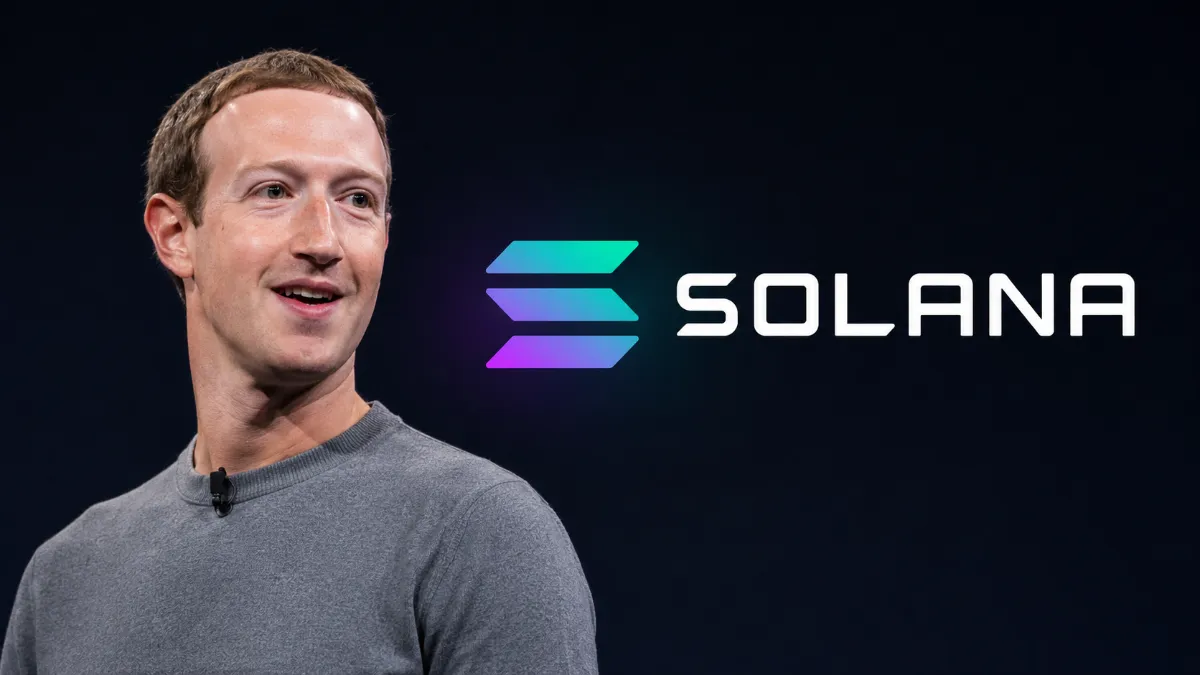
- Meta launched a USDC stablecoin payout program for select creators in Colombia and the Philippines — its first crypto payments re-entry four years after abandoning Libra and Diem
- The structure uses Solana and Polygon, Stripe's infrastructure, and Circle's USDC, with no proprietary coin issuance
In 2022, Meta shut down its Libra and Diem projects under sweeping regulatory pressure, abandoning plans to issue its own stablecoin. Four years later, on April 28, 2026, Meta returned to crypto payments — this time with a fundamentally different strategy.
Meta has launched a pilot program paying select creators in Colombia and the Philippines in USDC stablecoins. No proprietary coin. It uses Circle's USDC on Solana and Polygon, with Stripe handling the payment infrastructure.
Why Solana?
The reason is fees. Had Meta used Ethereum mainnet, gas costs would have eaten into creator payouts. Solana theoretically handles 65,000 transactions per second, confirms blocks in 0.4 seconds, and charges fractions of a cent per transaction — a structure optimized for high-volume small-amount payouts like creator earnings.
Liquidity is already in place. USDC supply on Solana exceeds $8 billion, with USDC accounting for over 70% of all stablecoins on the network. Meta had no reason to build new infrastructure — riding a network with deep existing liquidity was the safest choice.
There are proven precedents too. In December 2025, Visa officially launched Solana-based USDC payments for U.S. financial institutions. Coinbase's x402 protocol also linked with Solana to enable direct USDC payments by AI agents. The enterprise adoption chain — Visa, Coinbase, Meta — is adding weight to Solana's position as a payments layer.
Why Also Polygon? — Wallet Choice
EVM-based wallet users such as MetaMask receive on Polygon; Solana-native wallet users such as Phantom receive on Solana. Supporting both chains simultaneously lowers the barrier by letting creators use wallets they already have.
Supported wallets include MetaMask, Phantom, Binance, Bybit, Kraken, Exodus, Brave Wallet, and regionally focused wallets Bitso, GCash (GCrypto), and Coins.ph. One important caveat: funds sent to addresses that don't support USDC on Solana or Polygon cannot be recovered.
Lessons from Libra's Failure
The strategic shift is the core of this story. Libra and Diem were Meta's attempt to issue a globally distributed currency. Central banks raised sovereign currency concerns, Congress held hearings, and the projects were eventually shelved.
This time there is no proprietary issuance. It uses USDC. Stripe handles conversion and tax records. Meta isn't building a payment rail — it's riding existing ones. No proprietary currency for regulators to object to, no infrastructure build cost, and a clear use case in creator payouts.
A platform with billions of users adopting USDC payments represents the largest-ever real-world usage expansion for Circle. Meta has signaled plans for global expansion, though creators must handle fiat conversion themselves.
Frequently Asked Questions
Can Korean creators receive earnings in USDC?
The program is currently in pilot for Colombia and the Philippines. Meta has signaled global expansion plans but has not disclosed when Korea will be included. Domestic virtual asset regulations are also a variable.
How do creators convert USDC to local currency?
Meta does not provide fiat conversion services — creators handle it themselves through exchanges. In Korea, USDC can be exchanged for KRW on platforms like Upbit or Bithumb.
Why Solana instead of Ethereum?
Fees. Ethereum mainnet gas costs can cannibalize small payouts. Solana charges fractions of a cent per transaction, making it optimal for high-volume small-amount payouts like creator earnings.
Why isn't Meta issuing its own stablecoin?
The lesson of Libra and Diem. Issuing a proprietary global currency drew strong pushback from central banks and regulators worldwide. This time Meta chose to minimize regulatory risk by using the already-proven USDC.

Circle Posts $701M Q2 Revenue, Net Income Jumps but Stock Falls 3% on Revenue Miss
 CRCL
CRCLZero SEC Earnings Filings Filed Aug 3 as AMD, SanDisk, Eli Lilly Earnings Loom; GE Vernova Misses Estimates
 MAR
MAR L
L TSN+12
Philippe Laffont's Q1 2026 Portfolio: TSM Stake Boosted, Full Exit from ORCL, SNOW, and 3 Others
 TSM
TSM GEV
GEV LRCX+7
Wall Street's Defining Moments
See more


Sunday's SEC 8-K Earnings Filings Quiet, but Royal Gold Doubles Net Income and Launches Buyback
 RGLD
RGLDVeritone Earnings Shock Sends Shares Down 23%...York Space Systems Among 25 US Companies Filing SEC 8-K Earnings Reports
 YSS
YSS CODX
CODX IPWR+26
Applied Materials Posts Record Q3 Revenue of $9.1 Billion, All-Time High EPS
 AMAT
AMATSmart Money Briefing
Weekly summaries of Wall Street guru moves and crypto whale activity.