
Iran War Accelerates Renewable Energy Transition… Solar & EV Cost Competitiveness Flips
The largest energy supply shock in history triggered by the Iran war is rapidly improving the cost competitiveness of solar, wind, and EVs, accelerating the global clean energy transition. The IEA projects that clean energy investment will intensify across nations.
- Iran's war blockade of Hormuz caused history's largest energy supply shock, spiking oil prices
- Asia is racing into renewables and EVs, with China proving most resilient
Strait of Hormuz blockade triggers the largest supply shock in history… Solar, wind, and EV cost competitiveness flips overnight
The global energy supply shock triggered by the Iran war is accelerating the clean energy transition faster than anticipated. The International Energy Agency (IEA), which has labeled this crisis 'the largest supply disruption in history,' is exposing the deep vulnerabilities of fossil fuel dependence and fundamentally reshaping the energy security strategies of nations worldwide.
Brent crude surged 10–13% immediately after the outbreak of hostilities, reaching $80–$82 per barrel before nearly touching $100. The effective blockade of the Strait of Hormuz — through which 20% of global oil trade flows — has disrupted not only oil and LNG supply chains but also urea, a key fertilizer feedstock.
'Solar Is No Longer a Romance — It's Business'
What distinguishes this crisis from past oil shocks is that renewable energy has already achieved economic viability. The IEA's executive director noted that 'even before the Iran war, the energy transition was progressing very strongly,' adding that 'this shock will further accelerate clean energy investment across the globe.'
'A decade ago, solar was a romantic story — now solar is a business.'
IEA Executive Director
According to analysis by global energy think tank Ember, in the first month of the war, the gap left by declining fossil fuel generation was filled by solar and wind — not coal. In Germany, the UK, and India, solar and wind output in March rose year-over-year.
Asia's 'Ukraine Moment'… EV Transition Becomes a National Security Imperative
Asia has borne the brunt of the energy shock, given its heavy reliance on Middle Eastern crude and LNG. China, India, Japan, and South Korea collectively absorb 75% of the region's oil exports and 59% of its LNG exports.
Ember has characterized the situation as 'Asia's Ukraine momentum.' Just as the Ukraine war severed Europe's dependence on Russian gas, analysts believe the Hormuz crisis could serve as the catalyst that breaks Asia's reliance on imported crude oil.
- Wider EV adoption estimated to cut annual oil import costs by over $600 billion
- South Korea, Thailand, India, Indonesia, and Vietnam — rolling out solar tax incentives, new renewable energy projects, and nuclear plant restarts
China Weathers the Crisis
The most closely watched case is China. Despite being the world's largest energy importer, Beijing has navigated the crisis with relative resilience — thanks to its massive strategic petroleum reserves, a domestic industrial power grid anchored by coal, and its rapidly expanding EV fleet.
'The decision to invest early in wind and solar development has proven to be correct.'
President Xi Jinping
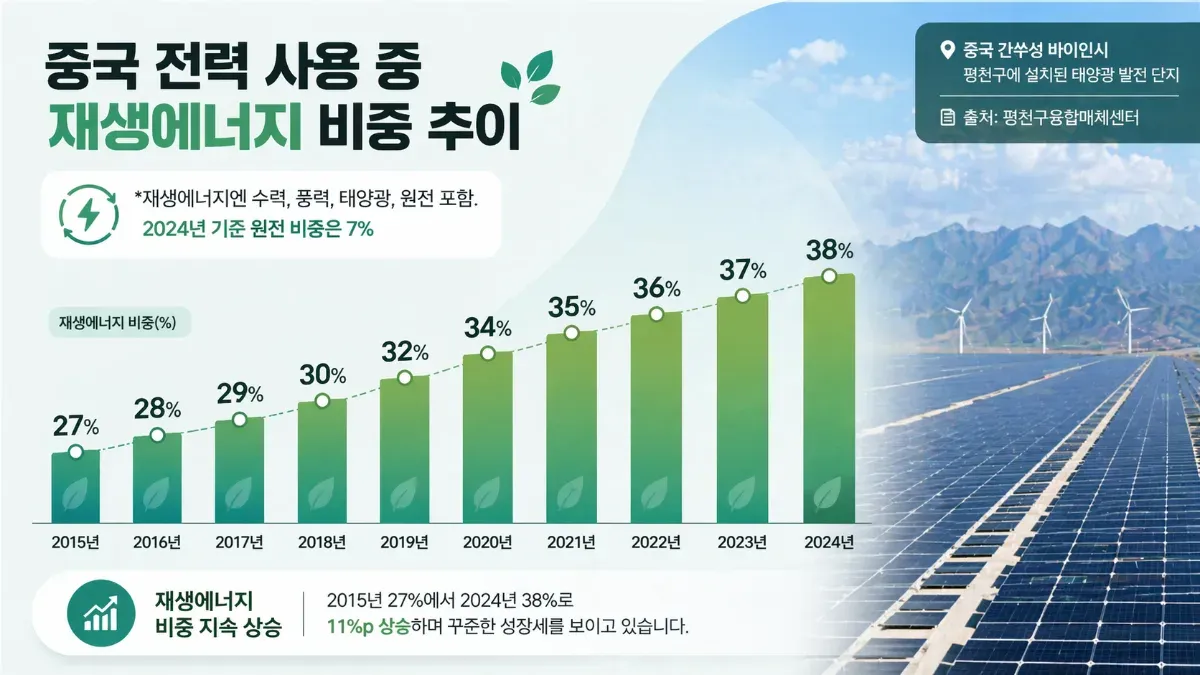
China currently operates three times the combined wind and solar capacity of the United States and India. In Q1, EV exports surged 78%, lithium battery exports rose 50%, and wind turbine component exports climbed 45%.
Near-Term Coal Rebound, Long-Term Renewable Acceleration
Near-term headwinds remain, however. BloombergNEF and Wood Mackenzie have noted that LNG supply tightness is temporarily pushing several Asian nations back toward coal-fired generation. Energy economists caution that 'shifting away from fossil fuel dependence takes years, not weeks.'
With fossil fuel import costs rising by more than $26 billion since the war began, the EU is preparing new clean electrification initiatives. BloombergNEF's Ethan Zindler said the crisis is 'positive for renewables, batteries, and EVs over the long term — and ultimately positive for the climate as well.'
InteliView Editorial | April 24, 2026

Lucid Q2 Revenue Rises 56% YoY to $405M, EPS Loss Narrower Than Expected
 LCID
LCID
Philippe Laffont's Q1 2026 Portfolio: TSM Stake Boosted, Full Exit from ORCL, SNOW, and 3 Others
 TSM
TSM GEV
GEV LRCX+7
ExxonMobil Posts 4-Year-High Profit but Misses Estimates as AbbVie, Colgate Among 23 Companies Report Earnings
 XOM
XOM LIN
LIN LYB+25
Wall Street's Defining Moments
See more



Sunday's SEC 8-K Earnings Filings Quiet, but Royal Gold Doubles Net Income and Launches Buyback
 RGLD
RGLDVeritone Earnings Shock Sends Shares Down 23%...York Space Systems Among 25 US Companies Filing SEC 8-K Earnings Reports
 YSS
YSS CODX
CODX IPWR+26
Applied Materials Posts Record Q3 Revenue of $9.1 Billion, All-Time High EPS
 AMAT
AMATSmart Money Briefing
Weekly summaries of Wall Street guru moves and crypto whale activity.