Q1 2026 13F Preview — The Gurus Who Made the Biggest Pivots
Filing deadline: May 15. Q1 2026 was the quarter of a dramatic sector rotation — from AI dominance to energy, materials, and defensives. We break down why Druckenmiller, Tepper, and the quant funds made the sharpest turns.

- Top gurus like Druckenmiller and Tepper made major Q4 2025 portfolio shifts ahead of May 15 13F filings
- The dominant theme: rotation out of tech into financials, biotech, and emerging markets
Filing deadline: May 15. Q1 2026 was the quarter that saw a dramatic sector rotation away from AI-led tech and into energy, materials, and defensives. Who saw it coming?
📌 This article previews portfolio changes based on Q4 2025 13F filings (submitted in February 2026). The Q1 2026 13F filing deadline is May 15, 2026 — actual Q1 position data will be available after that date.
How Markets Moved in Q1
Before diving into the 13Fs, it's essential to understand the actual market scorecard for Q1 2026.
Energy +38.1% (S&P 500 Energy Sector), Basic Materials +10.5%, Utilities +7.7%. Meanwhile, tech and communication services — which had dominated from 2023 through 2025 — fell sharply behind. The dividend stock index posted +15.1%, its best quarter since 2022.
Tariff shocks, Iran conflict risk-on dynamics, and recession fears all converged simultaneously, crystallizing a clear narrative: "AI concentration unwind + defensives and real assets on the rise." This is the backdrop against which each guru's Q4 2025 positioning must be read.
4 Gurus Who Made the Sharpest Pivots
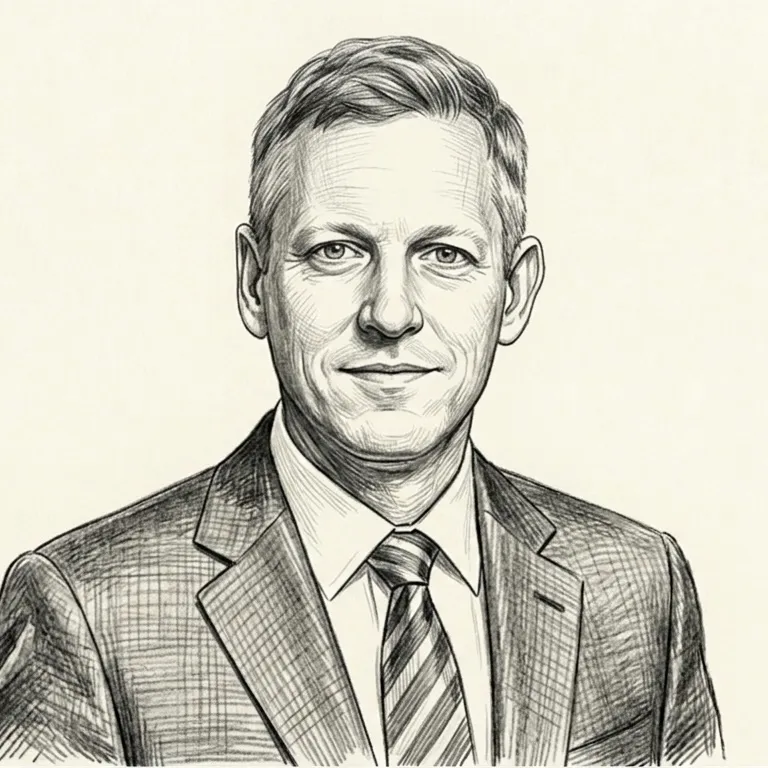
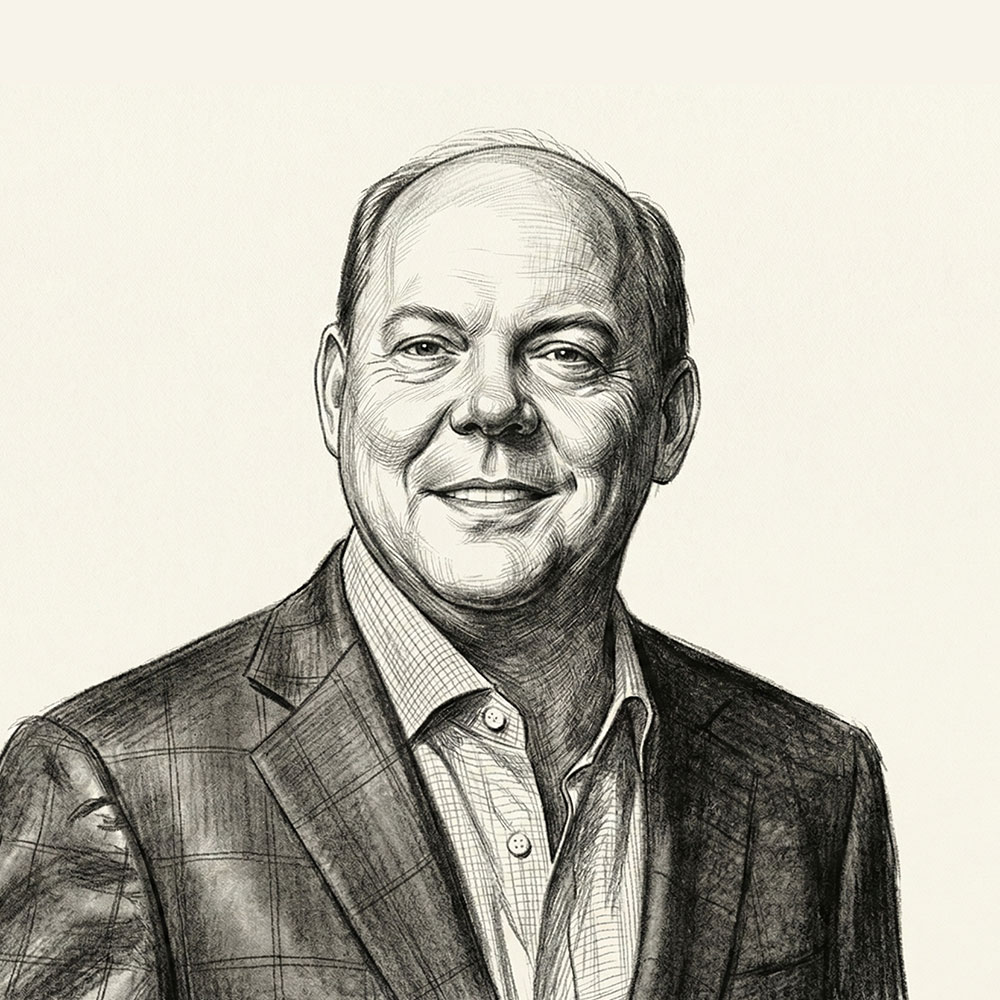
1. Stanley Druckenmiller — "Tech Weighting at Multi-Year Low, Massive New Positions in Brazil and Financials"
Druckenmiller's directional shift in Q4 2025 was the most dramatic he has made in several years.
His tech weighting plunged from 13.8% to 9.43% — the lowest level since 2021. He fully exited META, ARM, and MongoDB. This was not a routine trim; it signals a structural change in conviction. (Biotech holding Natera accounts for the largest portfolio weight at ~13.6%; tech weighting is calculated independently.)
Where did the capital go:
| Position | New Size | Significance |
|---|---|---|
| XLF (Financials Sector ETF) | $300M ($300,990,000) | Largest new position in the portfolio |
| EWZ (Brazil ETF) + Call Options | $247M | Emerging market reflation bet |
| RSP (Equal-Weight S&P 500) | $225M | Rotation away from mega-cap tech concentration |
The message is clear: "The AI dominance trade is over — rotating into financials, real assets, and emerging markets." Given that energy surged +38% and financials rallied strongly through Q1, this bet was directionally correct. The key question for the May filing is how aggressively he added to these positions in Q1.
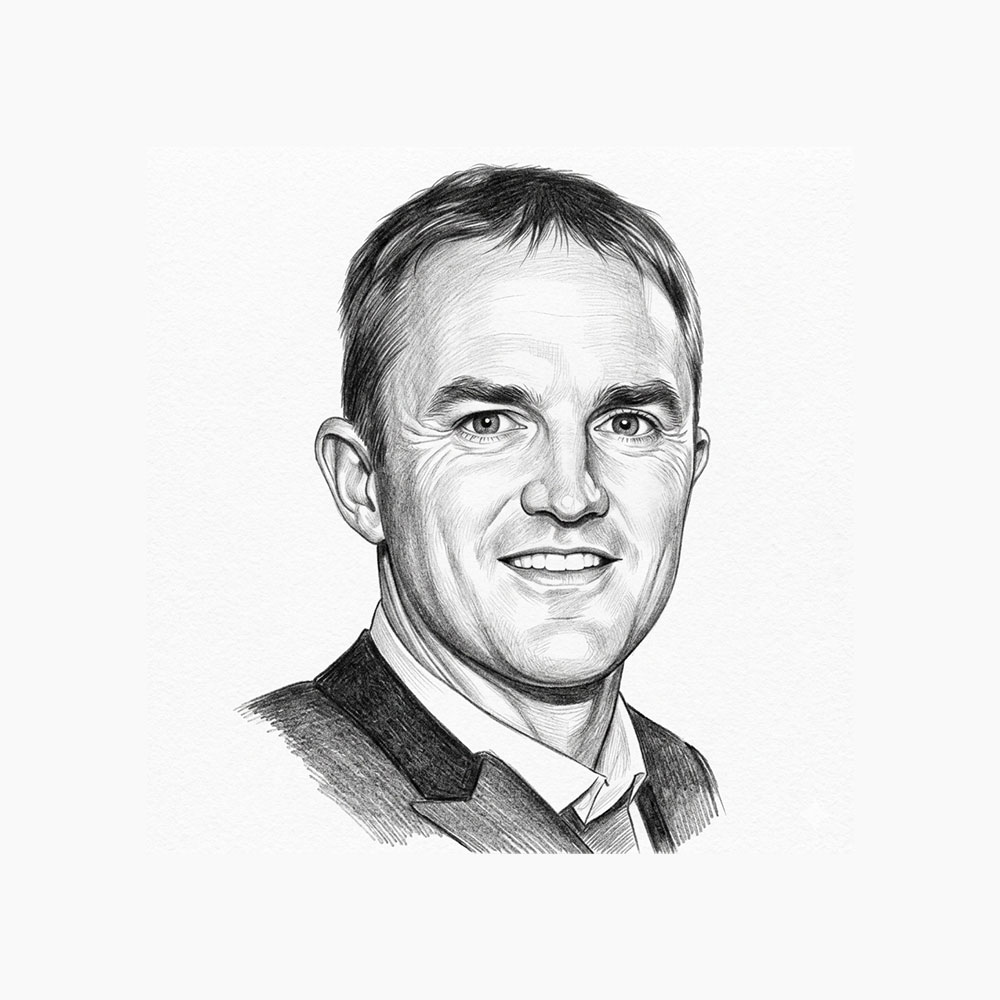
2. David Tepper — "Liquidated Most Positions, Kept Only Micron"
In Q4 2025, Tepper made a contrarian bet on AI memory semiconductors by surging his Micron (MU) stake by 250% (adding ~1.5M shares to his existing 5M shares). He trimmed NVDA by -10.5% and AMZN by -12.8%.
Then in March 2026, a market-rattling report emerged: Appaloosa had liquidated the majority of its portfolio. No official explanation was given, but the market has converged on three interpretations:
- Tariff risk flight — Reducing exposure amid escalating U.S.-China tensions
- Shift to macro positions — Moving from equities into macro derivatives strategies
- Full strategy overhaul — Transitioning from long-only to a hedged portfolio structure
The May 13F is more than just a position disclosure. It's the next chapter — revealing where Tepper went after the liquidation.
3. Quant Hedge Funds — "A Quiet Convergence on Biotech"
One of the most striking patterns in Q4 2025 13F data is the simultaneous increase in biotech exposure among quant funds including AQR, Two Sigma, and Renaissance Technologies.
Biotech position buildups — such as Druckenmiller's concentrated positions in Natera and Insmed — are confirmed by disclosed filings. Based on aggregated multi-source data, quant fund biotech exposure increased an average of 15–20% quarter-over-quarter (figures may vary by fund-specific calculation methodology). Inflows of 10–12% into small-cap energy and defense names were also detected.
This reflects a strategy shift away from mega-cap tech concentration — "expressing leverage through undervalued sectors rather than derivatives." The fact that multiple models converged on the same signal suggests this is a structural shift, not noise.
4. Large Active Funds — "Purged Big Tech, Kept Only the Compounders"
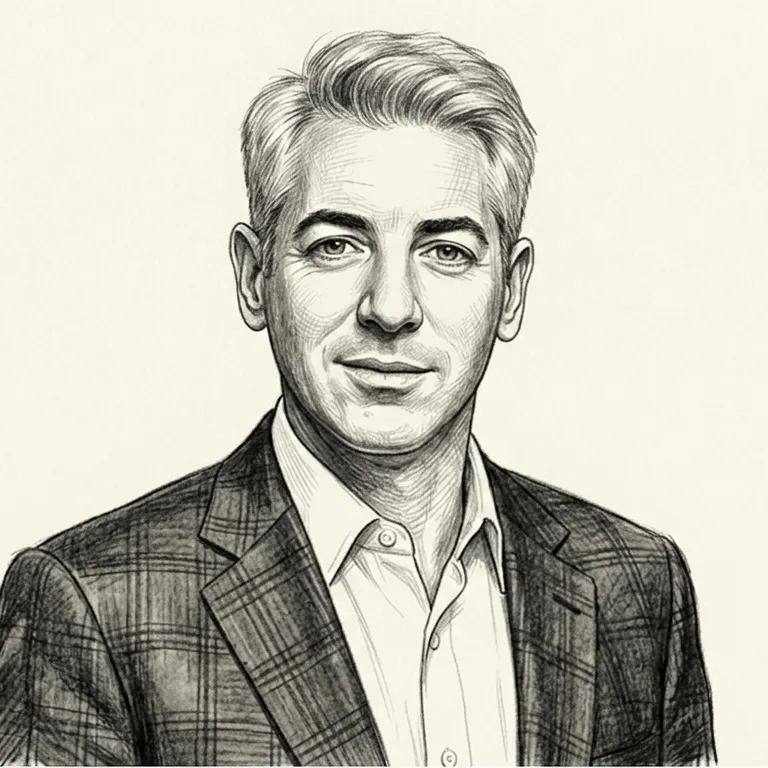
A common pattern emerged in Q4 2025 across large active funds including Pershing Square (Ackman), Viking Global, and Elliott Management.
Full exits from "high-fliers" such as CMG (Chipotle), NFLX, FLUT, and PM — while retaining or adding to AMZN, META, MSFT, and GOOGL exclusively.
The logic is straightforward. As AI transitions from a competitive moat for a select few into a broad infrastructure layer across industries, the thesis holds that only "compounders capable of leveraging AI for sustained earnings growth" will survive. The strategy: sell overvalued growth names, concentrate into AI-enabled compounders.
Sector Rotation Summary
| Out | In |
|---|---|
| AAPL, TSM, ARM, META (individual tech) | GOOGL, AMZN, MSFT (AI compounders) |
| CMG, NFLX, FLUT (overvalued growth) | MU, AVGO (AI infrastructure) |
| BAC, individual financials | XLF (financials ETF, sector-level bet) |
| Mega-cap tech concentrated indices | RSP (equal-weight), EWZ (emerging markets) |
| — | Biotech, energy, small-cap defense |
May 15 Will Answer These Questions
Against a Q1 2026 scorecard of Energy +38% and Basic Materials +10%, the filing will reveal whether each guru had already positioned for that move — or whether they reshuffled once again during Q1.
Did Druckenmiller's Brazil and financials bets pay off? What positions did Tepper build after his mass liquidation? And how did Buffett's apparent AI short fare amid the sharp Nasdaq selloff in Q1?
The InteliView Guru Tracker will update in real time starting with early filers on May 10.
Frequently Asked Questions
Q1 2026 시장의 가장 큰 특징은 무엇이었나요?
에너지 +38.1%, 기초소재 +10.5%, 유틸리티 +7.7%로 방어·실물 자산이 주도하는 반면 2023~2025년 독주했던 테크·커뮤니케이션은 급격히 뒤처졌습니다. 배당주 지수는 +15.1%로 2022년 이후 최고 분기를 기록하며 "AI 쏠림 해소" 구도가 선명해졌습니다.
Q4 2025 13F에서 가장 크게 방향을 바꾼 구루는 누구인가요?
스탠리 드러켄밀러가 단연 1위입니다. 테크 비중을 13.8%에서 9.43%로 2021년 이후 최저로 낮추고, EWZ(브라질) 2.47억·XLF(금융) 3.01억·RSP(동일가중) 2.25억 달러를 신규 편입하며 "AI 독주 끝, 금융·실물·신흥국으로"를 외쳤습니다.
퀀트 헤지펀드들의 공통 패턴은?
AQR·Two Sigma·르네상스 등이 바이오텍 비중을 분기 대비 평균 15~20% 동시 확대했습니다. 빅테크 쏠림에서 벗어나 "레버리지를 파생상품이 아닌 저평가 섹터로 구현"하는 전략으로, 모델이 같은 신호를 읽었다는 점에서 구조적 변화 가능성이 높습니다.
5월 15일 13F에서 가장 주목해야 할 질문은?
(1) 드러켄밀러의 브라질·금융 베팅 추가 여부, (2) 테퍼의 청산 후 새 포지션 행선지, (3) AI 숏 베팅한 버핏의 Q1 나스닥 급락 대응, (4) 컴파운더 압축 전략(AMZN·META·MSFT·GOOGL)의 추가 심화 여부 4가지입니다.










Wall Street's Defining Moments
See more





Smart Money Briefing
Weekly summaries of Wall Street guru moves and crypto whale activity.