
Why MU and SNDK Stocks Surged in Overnight Trading: Russell Growth Index Reclassification
FTSE Russell announced a preliminary plan to move Micron and SanDisk from the Russell 1000 Value Index to the Growth Index, triggering overnight gains of 4.4% and 3% respectively as passive fund rebalancing looms ahead of June 29.
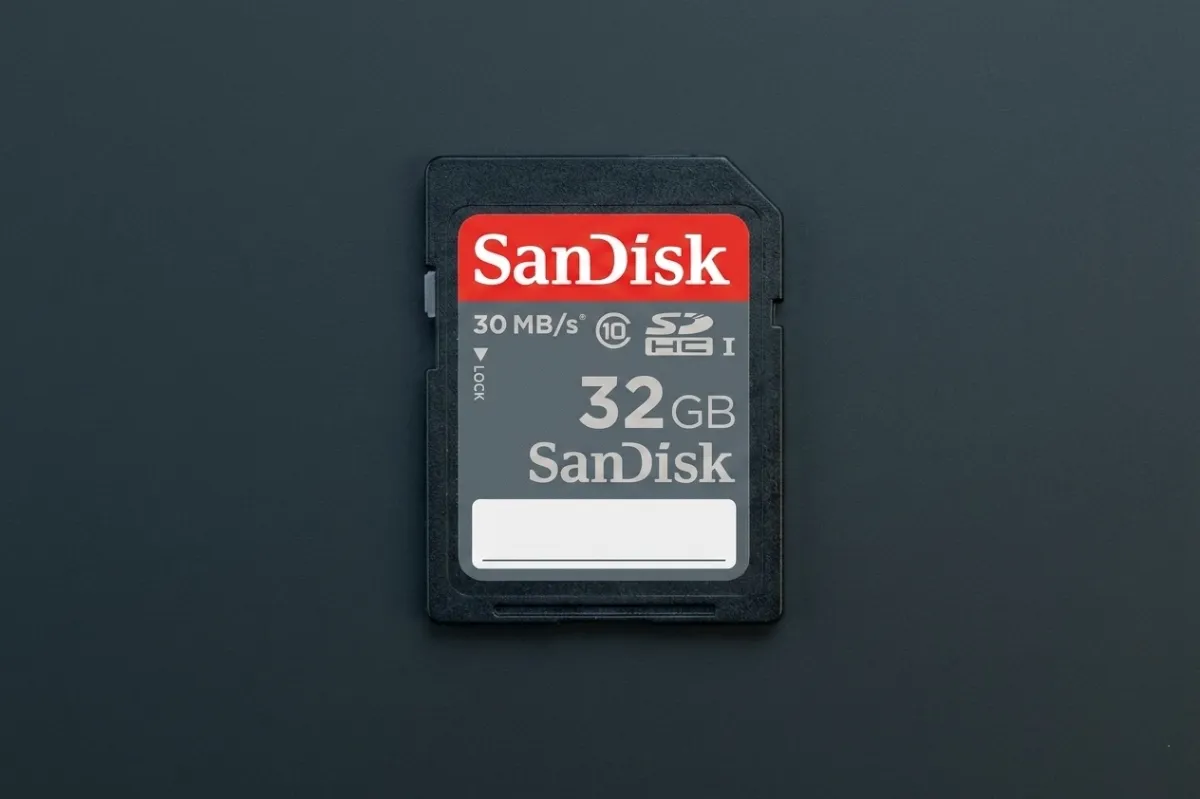
- FTSE Russell's preliminary plan to reclassify MU and SNDK into its Growth index triggered an overnight surge, with AI data center demand and Micron's US-made 1α DRAM production adding further tailwinds
The Catalyst: FTSE Russell Index Reclassification
Micron Technology (MU) jumped 4.4% and SanDisk (SNDK) gained 3% in overnight trading after FTSE Russell released a preliminary list of index changes on Friday. Both memory chip stocks are proposed for removal from the Russell 1000 Value Index and addition to the Growth Index, driven by sharp rallies amid high demand for memory chips and AI-related momentum. WDC and STX also gained approximately 1.7%.
Why Index Reclassification Moves Stocks
The Russell 1000 Index tracks the 1,000 largest publicly traded U.S. companies and serves as the benchmark for hundreds of institutional investors, ETFs, and mutual funds. When a stock is removed from the Value index, value-tracking passive funds must sell. When added to the Growth index, growth-tracking funds must buy. This mechanical rebalancing creates strong near-term price pressure. The preliminary list will be finalized on June 18, with the reconstitution taking effect June 29. Notably, Alphabet (GOOG) and AMD are also being removed from the Value index, while Apple (AAPL) and Microsoft (MSFT) are joining it.
Additional Tailwinds: Nvidia Earnings, Samsung Deal, Micron US Production
Multiple catalysts are stacking up for the memory sector. Last week's Nvidia earnings beat confirmed AI chip demand remains strong. Samsung reached a preliminary deal with workers to avoid a major strike that could have disrupted the global chip supply chain. Micron announced it will invest more than $2 billion to expand its Manassas, Virginia facility and has begun production of its 1α (1-alpha) DRAM chip — the most advanced memory chip ever manufactured in the United States.
After 523% and 163% YTD Gains, Retail Stays Cautious
SNDK has gained a staggering 523% year to date, while MU is up 163%. The newly launched Roundhill Memory ETF (DRAM), which tracks U.S. and Korean memory stocks including Samsung and SK Hynix, has gained 84% since its April 2 launch. Despite strong fundamentals driven by AI data center buildout and memory chip shortages, retail investors remain cautious after the sharp run-up. On Stocktwits, retail sentiment was 'neutral' for MU and 'bearish' for both SNDK and the DRAM ETF.
Frequently Asked Questions
Why does a Russell index reclassification move stock prices?
ETFs, mutual funds, and institutional investors benchmarked to the Russell 1000 must mechanically rebalance when the index composition changes. When a stock moves into the growth index, passive growth funds are forced to buy, creating short-term buying pressure.
Why were MU and SNDK reclassified from value to growth?
Surging AI demand and rising HBM prices dramatically improved both companies' stock prices and earnings growth outlook. FTSE Russell classifies stocks as value or growth based on price-to-book and forecast earnings growth metrics.
What happens to the stock price after the official June 29 inclusion?
Index inclusion effects typically involve early anticipatory buying followed by turbulence around the actual inclusion date. A 'buy the rumor, sell the news' pattern is common. Expect elevated volatility between the June 18 final confirmation and the June 29 rebalancing date.
Which stocks benefit most from this reclassification?
MU and SNDK are the primary direct beneficiaries. GOOG and AMD face selling from value-index funds leaving, but gain proportional weight in growth indices. AAPL and MSFT, moving into the value index, attract fresh buying from value ETFs.

Sunday's SEC 8-K Earnings Filings Quiet, but Royal Gold Doubles Net Income and Launches Buyback
 RGLD
RGLDVeritone Earnings Shock Sends Shares Down 23%...York Space Systems Among 25 US Companies Filing SEC 8-K Earnings Reports
 YSS
YSS CODX
CODX IPWR+26
Applied Materials Posts Record Q3 Revenue of $9.1 Billion, All-Time High EPS
 AMAT
AMATWall Street's Defining Moments
See more



Sunday's SEC 8-K Earnings Filings Quiet, but Royal Gold Doubles Net Income and Launches Buyback
RGLDVeritone Earnings Shock Sends Shares Down 23%...York Space Systems Among 25 US Companies Filing SEC 8-K Earnings Reports
YSSCODXIPWR+26Applied Materials Posts Record Q3 Revenue of $9.1 Billion, All-Time High EPS
AMATSmart Money Briefing
Weekly summaries of Wall Street guru moves and crypto whale activity.