
Ken Fisher Bets on AI and Bonds Simultaneously — AZN Ticker Swap Signals Defensive Rebalancing
Fisher Asset Management expanded positions in NVDA and AAPL in Q1 2026 while simultaneously increasing the IEF bond ETF by 9%, executing a dual offensive-defensive strategy. A structural ticker swap — selling AZN outright and initiating a fresh position in AstraZeneca — also stands out.

- Fisher raised NVDA & AAPL while boosting IEF bonds 9% — a rare offensive-defensive dual strategy
- AZN was fully sold and replaced with AstraZeneca in a structural ticker-swap trade
Ken Fisher's Fisher Asset Management has disclosed its Q1 2026 portfolio, totaling $145.8 billion in assets under management. The firm's unusual rebalancing — simultaneously increasing exposure to AI mega-caps while expanding bond ETF holdings — has drawn considerable market attention. Both new additions and full liquidations point to a deliberate structural repositioning.
Top 5 Holdings — Q1 2026
- NVDA: $15.4B (5.2%)
- AAPL: $14.3B (4.9%)
- IEF: $14.0B (4.8%)
- GOOGL: $11.2B (3.8%)
- MSFT: $9.6B (3.3%)
Key Trading Takeaways This Quarter
The top of the portfolio has become even more concentrated around AI semiconductors. NVDA retained its solo top position with a 3% weight increase, reaching $15.4B (5.2%), while AAPL climbed 2% to $14.3B in second place. The standout, however, is IEF in third. Expanding the U.S. intermediate Treasury ETF by 9% to $14.0B signals either a rate-cut anticipation trade or an intentional move to buffer portfolio volatility. Alongside big-tech names GOOGL, MSFT, and AMZN, semiconductor equipment plays ASML and TSM also feature in the top 10, pushing overall tech concentration higher.
- NVDA +3% · AAPL +2% weight increase — continued top-of-portfolio concentration in AI mega-caps
- IEF bond ETF +9% — rate-cut bet or portfolio volatility hedge reinforced
- AZN fully liquidated, AstraZeneca initiated at $2.1B — structural ticker-swap trade
On the trading side, the AstraZeneca-related transaction is the most notable. Fisher fully exited a $2.0B AZN position and immediately initiated a $2.1B stake in ASTRAZENECA PLC — believed to be a different share class of the same underlying company. This is best interpreted as a structural swap designed to maintain economic exposure while optimizing for tax efficiency or regulatory compliance. The simultaneous initiation of PIPR alongside the full liquidation of PIPER SANDLER COMPANIES appears to follow the same reclassification logic. In contrast, ADBE was slashed by 97% and JEF trimmed by 99%, effectively exiting the portfolio entirely.
What Is Fisher's Next Move?
The large-scale buildup in IEF suggests Ken Fisher is positioning for a renewed rate-cutting cycle. The simultaneous expansion of AI mega-caps and bonds implies a Goldilocks scenario — rising growth stocks paired with appreciating bond prices. That said, the substantial liquidation of ADBE, JEF, and similar fintech and media software names indicates a selective exit from sectors with deteriorating earnings momentum. In coming quarters, shifts in VCIT and other corporate bond ETF allocations will serve as key additional clues to Fisher's evolving rate outlook.
Frequently Asked Questions
Why did Ken Fisher sell AZN and buy AstraZeneca as a new position?
AZN and the newly initiated ASTRAZENECA PLC are believed to represent different share classes of the same underlying company — such as an ADR versus a local-market listing. This is interpreted as a structural trade that preserves economic exposure while optimizing for tax efficiency or regulatory compliance.
What is the strategic significance of increasing IEF by 9%?
IEF is a U.S. 7–10 year Treasury ETF. The significant weight increase suggests either a bet on bond price appreciation driven by rate-cut expectations, or a defensive move to buffer portfolio volatility from heavy AI mega-cap concentration. Both motivations may well be acting simultaneously.

Jensen Huang Handed Corning Billions Upfront — Equity Stake Plus Factory Construction Funding
 NVDA
NVDA GLW
GLW CIEN+5
NVIDIA Invests $1.44B in Bitcoin Miner-Turned-AI Firm IREN, Partners on 2GW Texas Data Center
NVDA IREN
IREN MSFT+6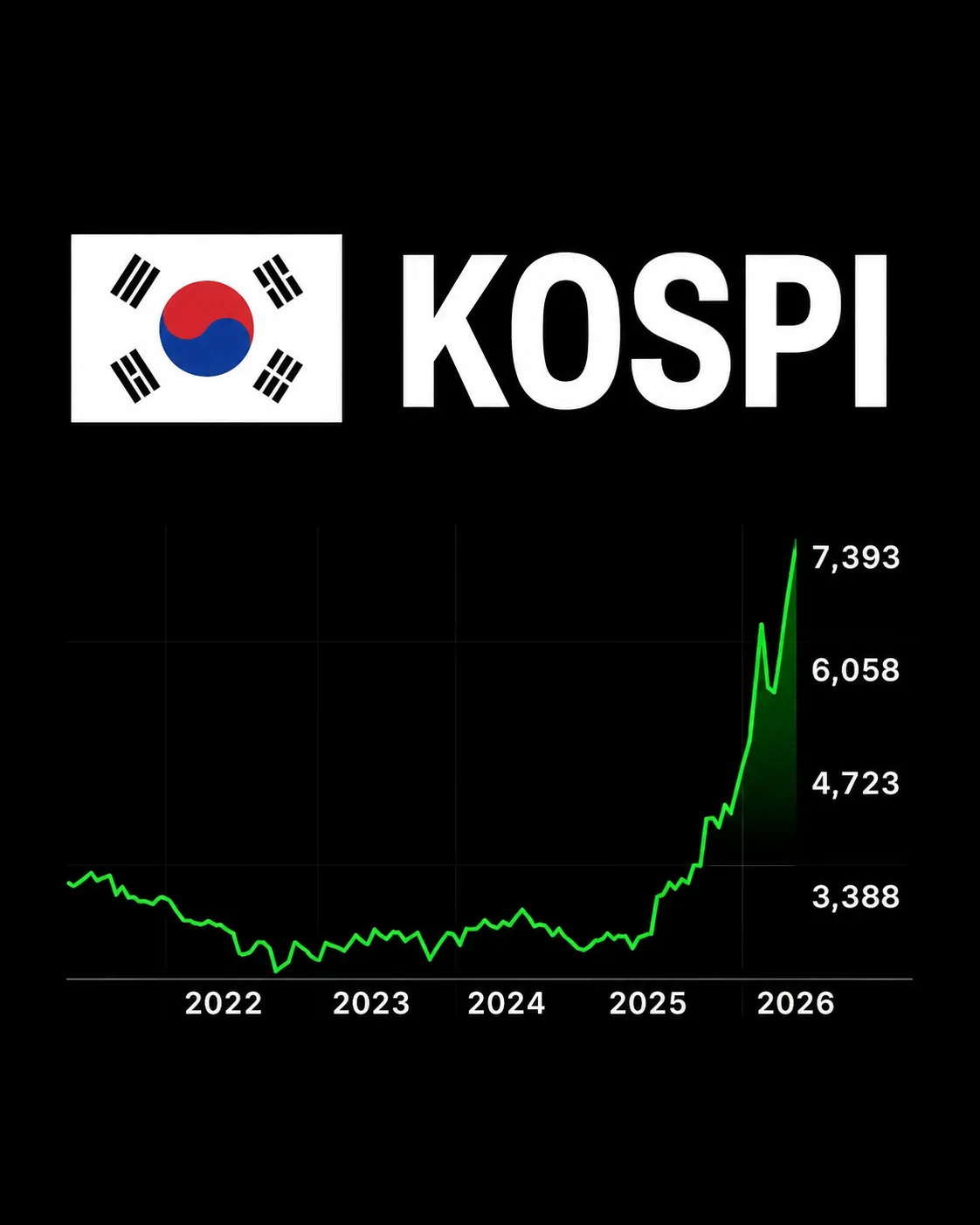
How U.S. Retail Investors Are Buying Korean Stocks Now — EWY, SK Hynix, HPSP, LS Electric
 000660
 005930
 042670+17
Wall Street's Defining Moments
See more







Smart Money Briefing
Weekly summaries of Wall Street guru moves and crypto whale activity.