
A $104K Charizard From a $7 Digital Pack — Solana RWA Market Grows 10x in One Year
A user on Solana's Phygitals platform pulled a PSA 10 Charizard worth $104,000 from a $7 digital pack. Solana's real-world asset tokenization market has exploded 10x in a year, with trading card volume now exceeding tokenized U.S. stock volume on the same platform.
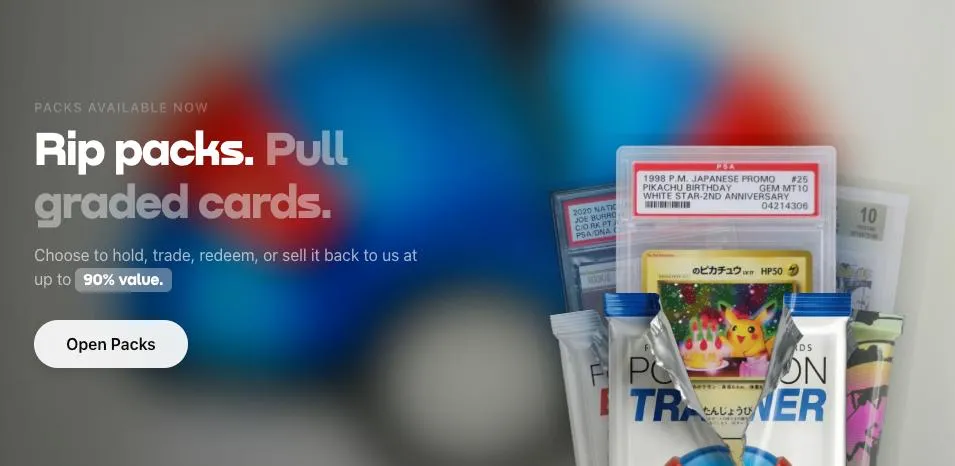
- A user on Solana's Phygitals pulled a $104K Charizard from a $7 digital pack
- Solana's RWA market grew 10x in one year ($200M→$2.5B), with PSA processing a record 2.17M cards monthly
This is part of a series.
Series: The Financialization of Pokémon Cards (2/2)
Previous → Pokémon Card Investment — How PSA Grading Created a Serious Asset Market
A $7 digital pack yielded a $104,000 card. Solana's collectibles market grew 10x in one year.
Until yesterday, Pokémon cards were nostalgia from childhood. Today, they trade on blockchain once per second. In our last piece, we asked — how did Pokémon cards become 'serious money'? This time, the question is simpler: where and how is that money moving right now?
2.17 Million Cards Per Month — The Line Never Stops
In the Pokémon card market, there's a company called PSA (Professional Sports Authenticator). You send them your cards, they grade them 1-10, seal them in plastic cases, and return them. A grade of 10 means near-mint condition; a grade of 8 means slight wear.
Last March, this company graded 2.17 million cards in a single month. For the first time ever, it exceeded 2 million cards in one month. That's a 47% increase compared to the same month a year prior.
Why does this matter? Standardized grading creates standardized pricing. A PSA 10 Charizard and a PSA 8 Charizard show the same artwork but can differ in price by orders of magnitude. Just as bonds have credit ratings that determine yields, cards with different grades command different prices—collectibles are beginning to function as financial instruments.
A $104,000 Card From a $7 Pack
Last month, a user opened a digital pack on Phygitals, a platform on the Solana blockchain. Inside was a PSA 10 Charizard (Skyridge edition) card. Market value: $104,000.
Phygitals stores authenticated PSA-graded cards in secure vaults and tokenizes them 1-to-1 on blockchain. Users buy digital packs ranging from $1 to $500, and crack them open with a click. The card inside can be shipped as a physical copy or resold to someone else.
Currently, over 60,000 cards are tokenized on Phygitals. Cumulative trading volume has surpassed $30 million, with over 500,000 transactions. Resale fees are just 1%, compared to traditional auction house commissions of 10–25%, making it an accessible market.
10x in One Year — Solana Captured the Card Market
This isn't just about Phygitals. In August of last year, trading card volume on Solana reached $124.5 million in a single month—exceeding the volume of tokenized U.S. stocks traded on the same network. People were buying and selling Pokémon cards more than stocks.
The total value of real-world assets (RWA) on Solana exceeded $2.5 billion in April. That's a 10x increase from a year earlier (approximately $200 million). While this category includes real estate, bonds, and art, trading cards are among the fastest-growing segments.
Different From 2021 NFT Boom — Real Cards Exist
During the 2021 NFT bubble, several projects attempted to digitize Pokémon cards. Most failed. They tokenized the card image alone—with no connection to actual physical cards. If prices crashed, you were left with nothing.
Today is different. Real cards are physically stored in secure vaults (Brinks, etc.) in the U.S. and Europe. They're insured. Even if the digital token price collapses, you can request the physical card back—the actual card remains. If the token is price, the card is asset.
Why Solana over Ethereum? The answer is simple: fees. With cards priced between $1 and $500, a transaction fee exceeding $10 kills the trade entirely. Solana averages $0.00025 per transaction (about ₩0.35) and processes 65,000 transactions per second. Legacy blockchains like Ethereum cost tens of dollars per trade—too expensive for card transactions.
When Pokémon Cards Become Collateral
This trajectory is not a passing fad. The next phase is financialization.
PSA grades function as credit ratings. Tokenized cards serve as loan collateral. 500,000 on-chain transaction records provide evidence of accurate pricing. The transaction data Phygitals has accumulated can become the foundation for future products—card-backed lending, card index funds (Card ETFs), and more.
We asked in the last piece: how did Pokémon cards become serious money? The answer is now clear. Pokémon cards, now serious money, are moving within serious financial infrastructure. The next question is: when will Pokémon card tokens list on Korean exchanges?
Frequently Asked Questions
Do actual cards really come from digital packs?
Yes. Platforms like Phygitals hold actual PSA-graded cards in secure vaults (Brinks, etc.) in the U.S. and Europe. When you buy and open a digital pack, the card inside is delivered as a token and can be shipped to you physically if requested, or resold. Insurance covers the physical holdings.
How is this different from the 2021 NFT craze?
2021 NFTs only digitized the card image—unrelated to actual cards. If the price crashed, you had nothing. Today's RWA tokenizes real cards that physically exist in vaults, linked 1-to-1 with tokens. Even if token price falls, you can redeem the physical card.
Can I use this platform from Korea?
Phygitals is a global platform accessible with a Solana wallet (like Phantom). However, you can't pay directly in KRW; you need SOL or USDC. Card shipments are international but may incur customs and duties.
Why Solana and not Ethereum?
Transaction fees. Card prices range $1–$500; a $10 fee kills the trade. Solana costs ~$0.00035 per transaction and handles 65K trades/second. Ethereum costs tens of dollars per trade—impractical for card transactions.
What risks should I watch?
Monitor platform operational risk (bankruptcy, hacking) and vault insurance coverage. Collectibles are illiquid—you may not sell at your target price. Token prices are more volatile than physical card valuations. Start with $1–$10 packs as a beginner.

JP Morgan and Chainlink Lead the Top 15 On-Chain Finance Infrastructure Firms — Where Institutional Money Flows
 LINK
LINK BTGO
BTGO PYTH
PYTH
Goldman Sachs Dumps All XRP and Solana ETFs — Market Maker Exit or Strategic Profit-Taking?
 XRP
XRP SOL
SOL BTC
BTC
Italy's Largest Bank Intesa Sanpaolo Added Ethereum and XRP for the First Time in Q1, Doubling Crypto Portfolio to $235M
BTC ETHXRP+2
Wall Street's Defining Moments
See more





Smart Money Briefing
Weekly summaries of Wall Street guru moves and crypto whale activity.