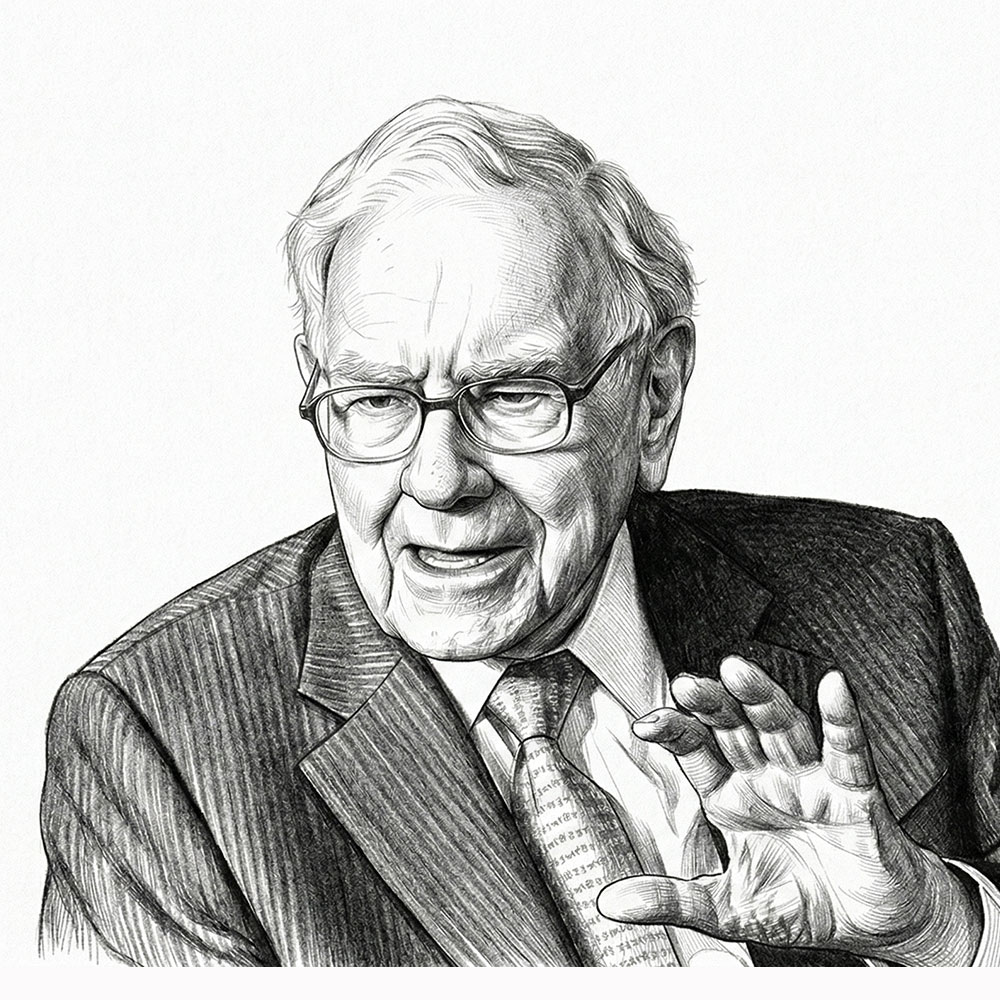
Buffett: "This Pullback Is Nothing" — Berkshire's $397B Cash Hoard Remains Still
Warren Buffett dismissed the 2026 market decline as insignificant, noting Berkshire's record $397B cash position and Buffett Indicator at 227% indicate the market has not yet met his threshold for major capital deployment.
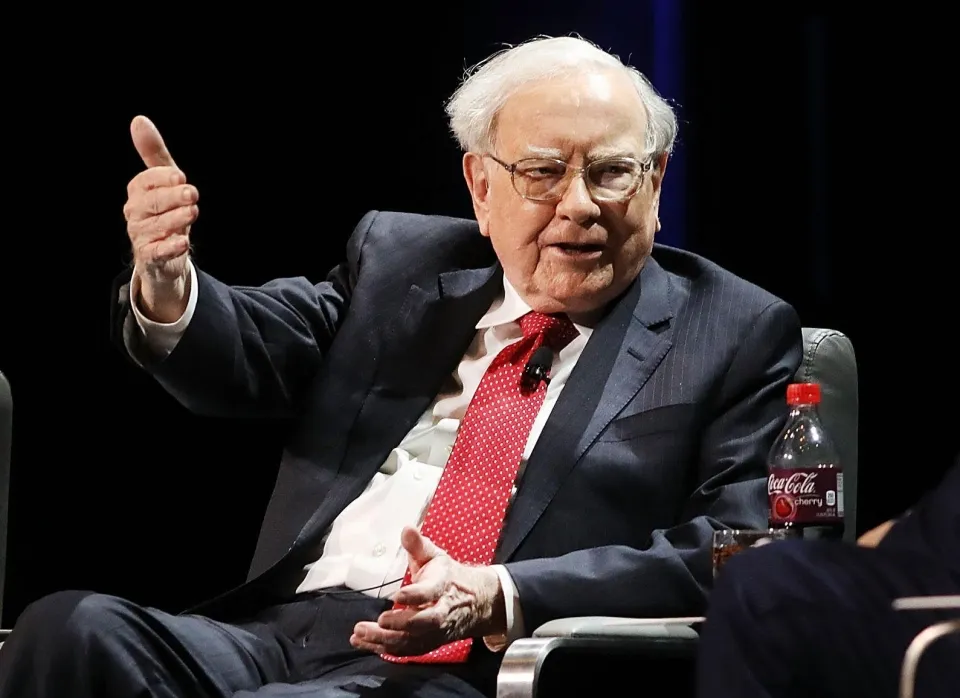
- Buffett called the 2026 market decline "nothing," stating a real crash is needed before deploying capital
- Berkshire's record $397B cash, 227% Buffett Indicator, and 21x forward P/E show stocks remain expensive even after falling
Berkshire cash at record $397B, Buffett Indicator at 227%… 'Real decline is needed before I buy'
Many investors call the current environment a buying opportunity. Warren Buffett disagrees.
In a recent CNBC interview, Buffett said: 'Since I've run Berkshire, stock prices have fallen more than 50% three times. This level is nothing.' He added: 'When a real decline comes, I'll deploy capital.' The key word is 'real.' Current levels don't meet that threshold.
The Meaning of $397B in Cash
Berkshire Hathaway now holds $397B in cash and short-term Treasuries combined—an all-time high. This is not operational underperformance. It reflects years of deliberate accumulation in an expensive market.
For Buffett, cash is not dead money. It's optionality. It's the power to buy when other investors are forced to sell. That moment hasn't arrived yet.
Historically, Buffett's biggest bets came not during ordinary corrections but during crises like 2008 or the COVID crash—when fear freezes the entire market and asset prices diverge dramatically from intrinsic value. We're not in that situation now.
Why Lower Prices Don't Mean Cheap Stocks
Price decline does not equal valuation discount. This is the core reason Buffett remains inactive.
The 'Buffett Indicator' divides total U.S. stock market capitalization by GDP. Buffett himself once called it 'market foolishness' when it exceeds 200%. Today, it stands at 227%.
The S&P 500's forward P/E ratio sits around 21x, still above the historical average of 16x. A 10% decline in stock prices doesn't make an overvalued market cheap. Buffett expresses this simple fact through inaction.
Berkshire's equity portfolio is valued at roughly $272B, with Apple comprising about 28%. Buffett's last major acquisition was Alleghany in 2022. For four years, he hasn't found prices attractive enough to pull the trigger.
Where Most Investors Go Wrong
Most investors buy more when prices rise and sell when they fall. When stocks dip slightly, they automatically assume it's an opportunity—without verifying that assumption.
Buffett thinks differently. He treats inaction during expensive markets as a discipline. Resisting the impulse to buy is part of his edge. One reason Berkshire has outperformed for decades is precisely this 'ability to do nothing.'
What would change Buffett's mind? Not mere volatility, but genuine panic, forced selling, and prices that reflect real fear. Events like credit crises, liquidity freezes, or sharp recessions create those conditions.
Until then, the $397B sits still.
Frequently Asked Questions
What is the Buffett Indicator?
It divides total U.S. stock market capitalization by GDP. Buffett himself called readings above 200% 'market foolishness,' making it a gauge of overall market excess. It currently stands at 227%.
Why is a 21x forward P/E ratio significant?
Forward P/E measures how many times annual earnings you're paying for a stock. With the S&P 500 historical average at 16x, paying 21x means buying the same earnings stream 30% more expensive than the long-term norm.
Should individual investors adopt Buffett's wait-and-hold-cash strategy?
Buffett has $397B in assets and private deal access—advantages unavailable to retail investors. However, the habit of checking valuations before reflexively calling every dip an 'opportunity' applies universally.
When did Berkshire last make a major acquisition?
The Alleghany acquisition in 2022 for $10.7B. For four years since, no large-scale deal has met his price requirements, explaining the growing cash pile.
What market conditions would trigger Buffett's next major purchase?
Not a typical 10-20% correction, but systemic stress: credit crunches, liquidity seizures, or severe recessions forcing sellers. Think 2008 post-crisis (Goldman Sachs $5B) or 2020 COVID (Occidental Petroleum purchases).
What is Berkshire's largest holding?
AAPL comprises roughly 28% of Berkshire's $272B equity portfolio. This concentration underscores Buffett's selective approach—he prefers waiting rather than adding exposure at current valuations.







Wall Street's Defining Moments
See more





Smart Money Briefing
Weekly summaries of Wall Street guru moves and crypto whale activity.