Robinhood CEO: "Prediction Markets Will Hit Trillions" — Launching Rothera Exchange to Take Direct Control
Robinhood's CEO projected prediction-market annual volume will reach the trillions. The Q2 launch of the Rothera exchange — CFTC-licensed and run directly by Robinhood — moves the company from middleman to operator, betting that only a few exchanges will survive consolidation.
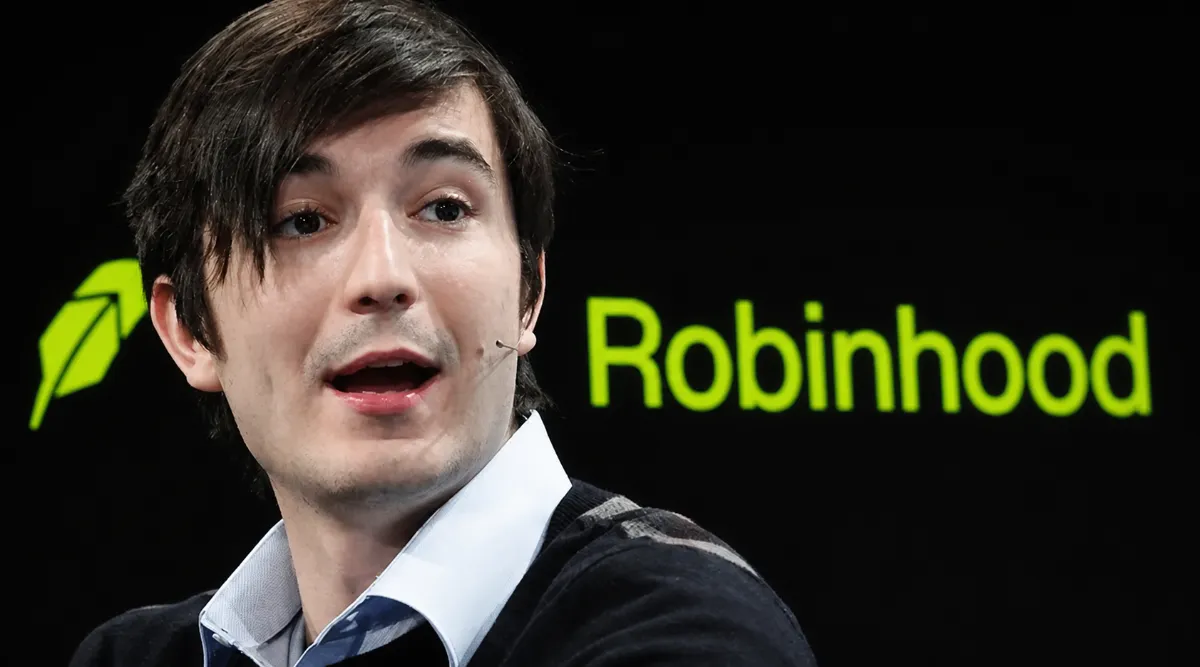
- Robinhood traded over 9 billion prediction-market contracts in a single year, and CEO Vlad Tenev projects the market will scale into the trillions annually
- In Q2, Robinhood launches Rothera — a CFTC-licensed exchange JV with Susquehanna — to operate directly
9 billion contracts traded, 1 million customers, April volume tracking $3B — and "only 2 or 3 of dozens of exchanges will survive"
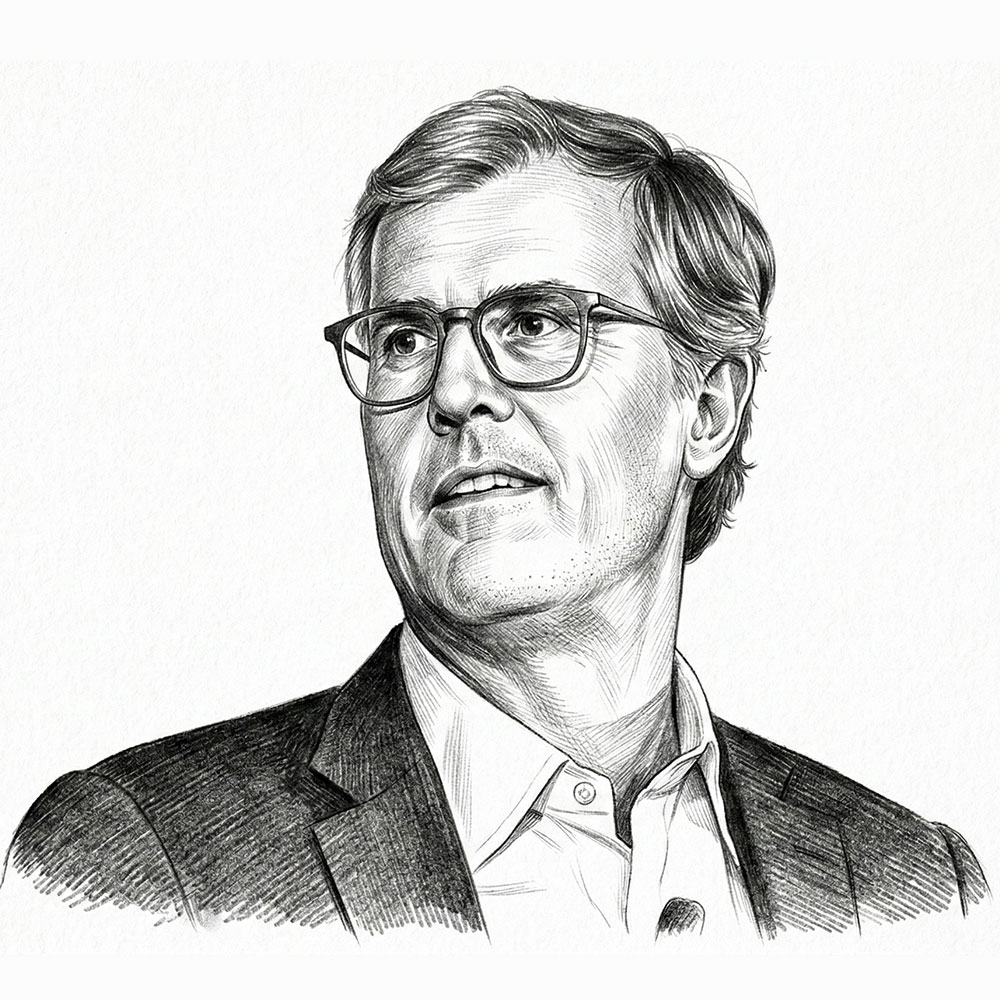
On Robinhood's (HOOD) Q1 earnings call, CEO Vlad Tenev didn't hide his ambition for prediction markets.
Prediction markets will eventually grow into a multi-trillion-dollar annual market.
Vlad Tenev, CEO of Robinhood
And he laid out, in detail, how Robinhood plans to sit at the center of it.
First, What Is a Prediction Market?
A prediction market is a market for betting on the outcome of future events — elections, sporting matches, economic indicators, even stock movements — packaged as contracts that can be bought and sold. Get it right, get paid; get it wrong, lose. Platforms like Polymarket and Kalshi pioneered the category. Robinhood entered it a year ago and already became the largest retail broker in the space.
In one year, more than 1 million Robinhood customers traded over 9 billion contracts. Q1 set a record quarter for prediction markets. April volume is tracking $3 billion — the second-highest monthly volume on record.
Today a Middleman — In Q2, Robinhood Opens Its Own Exchange
Today Robinhood operates as a Futures Commission Merchant (FCM) — listing third-party exchange contracts (like Kalshi's) as a broker. It has no pricing power and can't choose which contracts get listed.
That changes in Q2. Robinhood is launching the Rothera exchange — a joint venture with Susquehanna International Group, structured as 45% Robinhood, 45% Susquehanna, and 10% MIAX. The key piece: it's a Designated Contract Market with CFTC licensing.
What Tenev means by vertical integration is concrete. Robinhood will directly decide which events get listed, how the pricing structure works, and how the user experience is designed.
"Of Dozens of Exchanges, Only 2 or 3 Will Survive"
Tenev's strongest statement was about the competitive landscape.
There won't be dozens of designated contract markets in the future.
Vlad Tenev, CEO of Robinhood
He sees dozens of new exchanges going through the CFTC registration process, but views most as undifferentiated.
Real competitive advantage, in Tenev's view, comes from two things: an established large-scale customer base and structural economic advantages. Robinhood has 27 million funded accounts in the US. Susquehanna is one of the leading market makers in the asset class. Few competitors can replicate that combination on a short timeline.
Tenev expects the industry to consolidate in the coming years and intends Robinhood to be on the surviving side of that process.
Regulatory Risk and Content Diversification
US states are challenging prediction markets. The federal CFTC has jurisdiction, but whether states can also assert authority is the contested point. Some states are claiming their own.
Tenev acknowledged the tension but didn't back down. He maintained the position that state authority over a federally regulated product is unusual, and said the issue would be resolved through courts and regulatory channels.
On content, diversification is underway. The mix is expanding from elections and sporting events into politics, culture, and economic indicators. The strength of prediction markets is that there's always something to bet on.
Frequently Asked Questions
How do prediction markets differ from sports betting?
Sports betting is regulated primarily under state law. Prediction markets are structured as futures contracts under federal CFTC oversight. The scope also differs — prediction markets cover not only sports but also elections, economic indicators, and cultural events.
What changes for users once Rothera goes live?
Robinhood users will gain access to a broader range of prediction-market events directly through the app. Because Robinhood will design the contracts itself, it can offer better pricing structures and a tighter user experience than third-party-routed listings.
Could prediction markets really grow to multiple trillions?
Today's global sports-betting market is in the hundreds of billions annually. If prediction markets expand beyond sports into elections and major economic indicators, the upside is meaningfully larger. The biggest variable is the regulatory environment.
Why is Susquehanna (SIG) the chosen JV partner?
SIG is a longstanding heavyweight in options and futures market-making. Prediction market contracts ultimately follow options/futures mechanics, so SIG provides quote depth and spread stability. Robinhood's retail distribution and SIG's market-making infrastructure cover both ends of the stack.
How can Korean investors get exposure to Robinhood's prediction-market push?
HOOD is buyable via any Korean brokerage offering US equities. For broader fintech exposure, FINX and ARKF are options. Kalshi and Polymarket remain private. Direct trading on US prediction markets is limited for Korean residents, so equity- and ETF-level exposure is the practical route.



Wall Street's Defining Moments
See more

Sunday's SEC 8-K Earnings Filings Quiet, but Royal Gold Doubles Net Income and Launches Buyback
 RGLD
RGLDVeritone Earnings Shock Sends Shares Down 23%...York Space Systems Among 25 US Companies Filing SEC 8-K Earnings Reports
 YSS
YSS CODX
CODX IPWR+26
Applied Materials Posts Record Q3 Revenue of $9.1 Billion, All-Time High EPS
 AMAT
AMATSmart Money Briefing
Weekly summaries of Wall Street guru moves and crypto whale activity.