
Samsung Memory Bonus 600% vs. Foundry 100% — The Gap Is Fueling a Strike
Samsung proposed bonuses of ~600% of annual salary for its memory division and just 50–100% for foundry. The union has announced a general strike on the 21st; JPMorgan estimates operating income could fall up to ₩31T (~$22B) if it materializes.
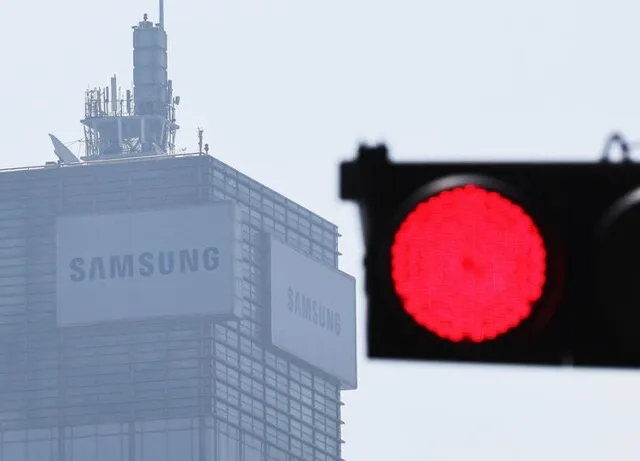
- Samsung proposed ~600% annual salary bonuses for memory workers versus 50–100% for foundry, creating a roughly sixfold gap (₩500M vs
- ₩80M per union estimates) and triggering a general strike announcement for the 21st
- JPMorgan estimates the strike could reduce operating income by up to ₩31T (~$22B), with foundry talent attrition emerging as a long-term competitiveness risk
Reuters obtained internal Samsung Electronics wage negotiation meeting minutes. Samsung proposed a bonus of around 600% of annual salary for its memory division, while offering 50–100% for its non-memory units — System LSI and Foundry.
Converted to won amounts, the gap becomes stark. The union claims memory division employees receive approximately ₩500M (~$360K) in bonuses, while foundry workers receive approximately ₩80M (~$57K) — a more than sixfold gap within the same company, in the same period.
A Structure Built by a Performance Gap
The bonus difference reflects a performance difference. Surging HBM-driven AI semiconductor demand has improved memory division results, while System LSI and Foundry continue to post multi-trillion-won losses. From the company's perspective, bonuses tied to divisional performance are logical.
But foundry employees read the situation differently. They argue that foundry losses stem from management strategy and market competition with TSMC — not from individual performance. Their pushback: frontline workers are absorbing the cost of outcomes they didn't determine, through bonus cuts.
What the Union Is Demanding
The union's primary objection is less about the bonus gap itself and more about system opacity. It argues that bonus calculation criteria are unclear and that effective caps have been imposed. Demands include eliminating the bonus ceiling and making the calculation system transparent. The union has announced a general strike starting on the 21st.
JPMorgan: "Operating Income Could Fall Up to ₩31T (~$22B) If Strike Materializes"
JPMorgan modeled a scenario in which the general strike fully materializes. Estimated operating income reduction: up to ₩31 trillion (~$22B) — a substantial share of Samsung's annual operating income estimate. If foundry production lines are disrupted, customer defections and delivery delays could cascade.
Industry observers are already raising the possibility of foundry talent attrition. Foundry competitiveness is heavily reliant on skilled workers. If the bonus gap persists, the pace at which core talent migrates to competitors like TSMC and SK Hynix could accelerate.
Frequently Asked Questions
Is a Samsung foundry general strike actually feasible?
Samsung's union conducted a strike in 2024 as well, but its production impact was limited. This time, foundry line participation rate and strike duration are the key variables. Due to semiconductor process characteristics, halting foundry operations requires significant time to restart.
What is the basis for JPMorgan's ₩31T estimate?
The scenario analysis factors in production disruptions, customer defections, and potential penalty clauses from delivery delays. Actual impact will vary significantly based on strike duration and participation rate — it should be read as a worst-case scenario.
How does this affect Samsung's stock price?
Short-term downward pressure is expected if the strike materializes. However, as long as the structural momentum of strong HBM demand holds, the price impact may be contained. Confirmed foundry customer defections would become a medium-to-long-term valuation re-rating factor.
How does this affect Samsung's competitive position versus TSMC?
If skilled foundry workforce attrition becomes a reality, the technology gap with TSMC could widen further. In foundry operations, workforce continuity is directly tied to yield rates and process stability.

Veritone Earnings Shock Sends Shares Down 23%...York Space Systems Among 25 US Companies Filing SEC 8-K Earnings Reports
 YSS
YSS CODX
CODX IPWR+26
Applied Materials Posts Record Q3 Revenue of $9.1 Billion, All-Time High EPS
 AMAT
AMATCoherent, Performance Food Among 25 US Firms File SEC 8-K Earnings Disclosures as AI Chip, Biotech Earnings Season Kicks Off
 COHR
COHR CBRS
CBRS AOSL+21
Wall Street's Defining Moments
See more


Sunday's SEC 8-K Earnings Filings Quiet, but Royal Gold Doubles Net Income and Launches Buyback
 RGLD
RGLDVeritone Earnings Shock Sends Shares Down 23%...York Space Systems Among 25 US Companies Filing SEC 8-K Earnings Reports
YSSCODXIPWR+26Applied Materials Posts Record Q3 Revenue of $9.1 Billion, All-Time High EPS
AMATSmart Money Briefing
Weekly summaries of Wall Street guru moves and crypto whale activity.