
FDA Launches AI-Powered Real-Time Clinical Trial Tracking Initiative, Targeting 20–40% Reduction in Drug Development Timelines
The FDA has launched an initiative to monitor clinical trials in real time using AI. The program aims to eliminate a structural bottleneck in which administrative dead time accounts for 45% of total trial duration, with AstraZeneca and Amgen therapies selected as the first pilot candidates.
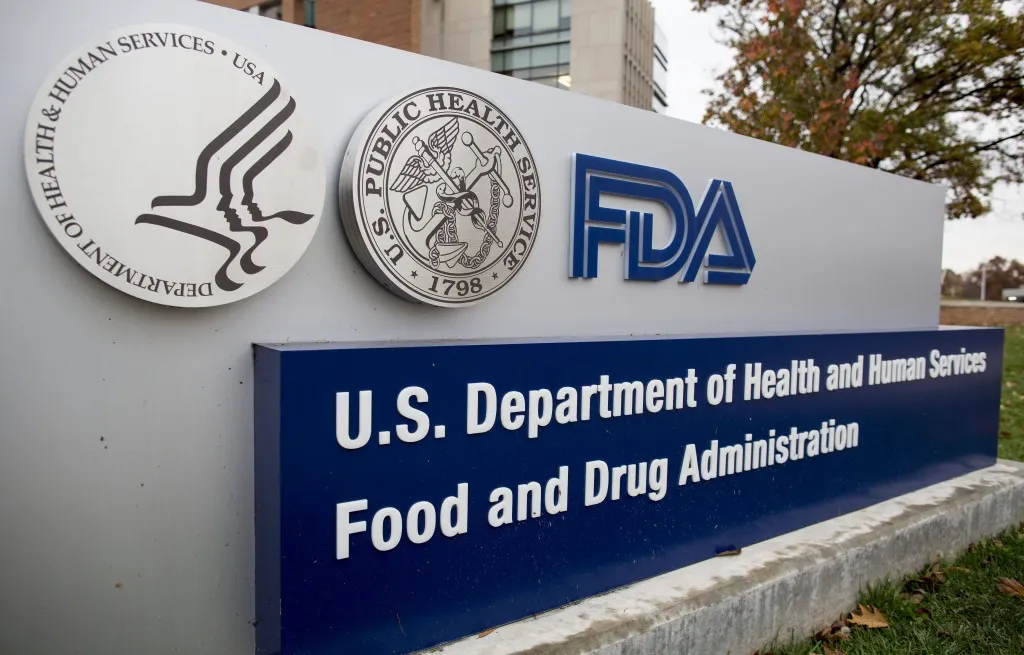
- The FDA has launched an initiative to monitor clinical trials in real time using AI, targeting the elimination of administrative dead time that accounts for 45% of total trial duration
- AstraZeneca and Amgen therapies are the first pilot candidates, with AI adoption expected to cut clinical trial timelines by 20–40%
The U.S. Food and Drug Administration (FDA) officially launched an initiative on the 29th (local time) to monitor and track clinical trials in real time using AI and data science technologies. FDA Commissioner Marty Makary described the move as "a pivotal turning point that challenges the conventional wisdom that bringing a new drug to market takes 10 to 12 years."
According to Commissioner Makary, an average of 45% of the time between Phase 1 clinical trials and FDA application submission is wasted on administrative "dead time" such as paperwork. The existing process creates bottlenecks through a sequential flow of clinical results → pharmaceutical company analysis → FDA submission. Real-time AI tracking aims to fundamentally restructure this pipeline.
AstraZeneca and Amgen Therapies Selected as First Pilot Candidates
AstraZeneca's (AZN) lymphoma therapy and Amgen's (AMGN) small cell lung cancer treatment have been selected as the first pilot candidates. The initiative will first validate the feasibility of real-time signal sharing through igm Health. A large-scale pilot solicitation linked to the NIST (National Institute of Standards and Technology) AI Risk Management Framework is also planned for the summer.
FDA Chief AI Officer Jeremy Walsh stated that the adoption of AI could reduce overall clinical trial timelines by 20–40%. The FDA has already been pursuing agency-wide AI integration since May 2025, and this initiative represents a continuation of that effort. The geopolitical context of securing a competitive edge in biomedical research against China was also cited as part of the backdrop.







Wall Street's Defining Moments
See more



25 Companies Including PayPal, NXP Semiconductors File Earnings With SEC Today...SK Hynix Operating Profit Tops $41.6B
 PYPL
PYPL NXPI
NXPI HUBB+19
Enphase Energy Posts $291.9M Q2 Revenue, Down 20% YoY, but Swings to Profit on Tariff Refund
 ENPH
ENPHKLA Reports Q4 FY2026 Revenue of $3.658B, Beats Guidance but Stock Plunges 6%
 KLAC
KLACSmart Money Briefing
Weekly summaries of Wall Street guru moves and crypto whale activity.