Druckenmiller Dumps All of Alphabet, 99% of Amazon — Then Opens Broadcom Position: "Won't Repeat the Nvidia Mistake"
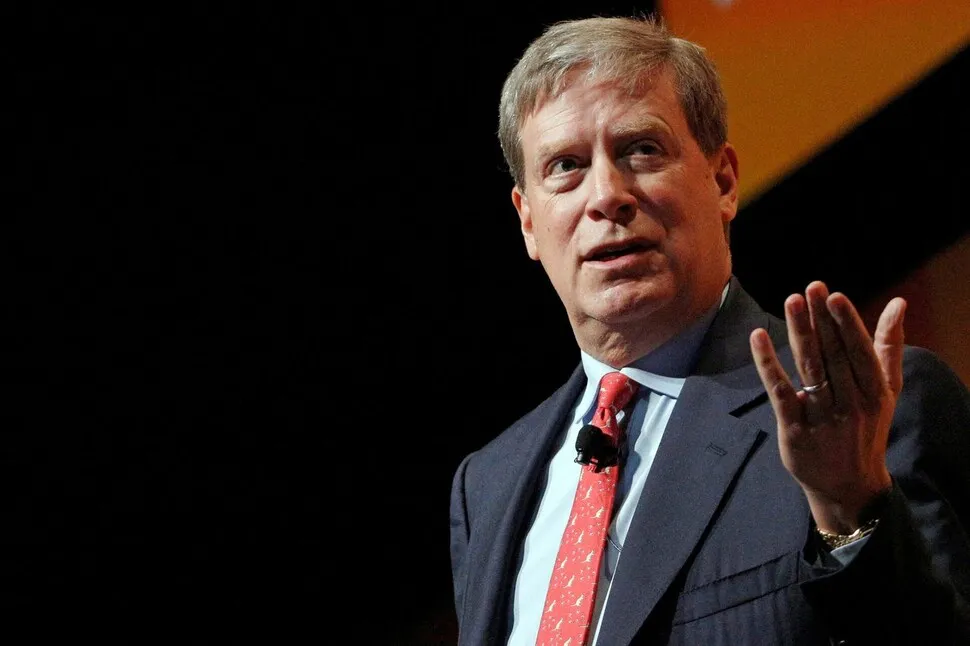
Stanley Druckenmiller sold his entire Alphabet stake and 99% of Amazon in Q1 2026, then opened a new Broadcom position. Broadcom dominates AI custom chip orders from Google, Meta, and Anthropic — and is targeting over $100 billion in annual AI revenue by 2027.
- Druckenmiller sold all of Alphabet and opened a new Broadcom position in Q1 2026
- The rotation from crowded mega-cap AI names to AI custom chip infrastructure is the defining smart money theme of this 13F cycle
Stanley Druckenmiller sold his entire Alphabet stake and 99% of his Amazon position in Q1 2026 — then put that capital into a new Broadcom position. The move signals a clear rotation from crowded mega-cap AI names into the AI custom chip infrastructure player that smart money keeps gravitating toward.
Duquesne Family Office has filed its Q1 2026 13F. Two things stand out. First, two Magnificent 7 names were essentially liquidated. Second, the proceeds flowed into Broadcom — the company quietly dominating the AI custom silicon market that hyperscalers use to escape Nvidia's pricing premium.
Alphabet Gone, Amazon Gutted — A One-Quarter Reversal
Duquesne sold all 385,000 shares of Alphabet Class A stock during the quarter. Just one quarter earlier, the fund had aggressively built that position from 102,000 shares to 385,000 — a near-quadrupling. All of it is gone.
Amazon got the same treatment: from 737,940 shares down to 9,539, a 99% reduction. At that level, it is less a trim and more a close.
"The Alphabet and Amazon exits don't look like an 'AI is over' call. They read more like a rotation from crowded mega-cap AI trades into picks-and-shovels infrastructure plays."
TheStreet analysis
Broadcom: New Position — "Won't Repeat the Nvidia Mistake"
Where did the money go? Mainly into Broadcom. Druckenmiller opened a fresh 195,955-share position. He also added cancer-diagnostics AI company Caris Life Sciences (1.89 million shares) and clinical-stage cancer drug developer Revolution Medicines (315,860 shares).
These buys align with the public thesis Druckenmiller laid out in a February Morgan Stanley interview, where he called biotech "the best application of AI" — specifically naming drug discovery and diagnostics.
"Selling Nvidia between $800 and $950 pre-split was the biggest mistake of my career."
Stanley Druckenmiller
The Broadcom buy looks like a deliberate effort not to make that same mistake twice. While Nvidia dominates general-purpose GPU accelerators, Broadcom designs and supplies the custom AI accelerators (ASICs/XPUs) that Google, Meta, Anthropic, and OpenAI use when they want to stop paying Nvidia's premium for workloads they can run on application-specific chips.
Broadcom: $73B AI Backlog, $100B+ Revenue in Sight by 2027
- AI revenue backlog: $73 billion; CEO "line of sight" to $100B+ in annual AI chip revenue by 2027
- FY2026 Q1 total revenue: $19.31B (+29% YoY); AI semiconductor revenue: $8.4B (+106% YoY)
- Q2 guidance: $22B total revenue, $10.7B AI revenue (+140% YoY)
- Anthropic deal: 1 gigawatt of TPU compute in 2026, scaling to 3+ gigawatts in 2027
- Customers: Google, Meta, ByteDance, Anthropic, OpenAI, Fujitsu + 2 unnamed hyperscalers
AVGO closed at $425.19 on May 15 (the day the 13F became public), near its 52-week high of $442.36. The consensus 12-month price target is $477, with TD Cowen at $500 and Wells Fargo at $545, citing underestimated AI infrastructure demand.
Three Legends, One Destination: AI Infrastructure
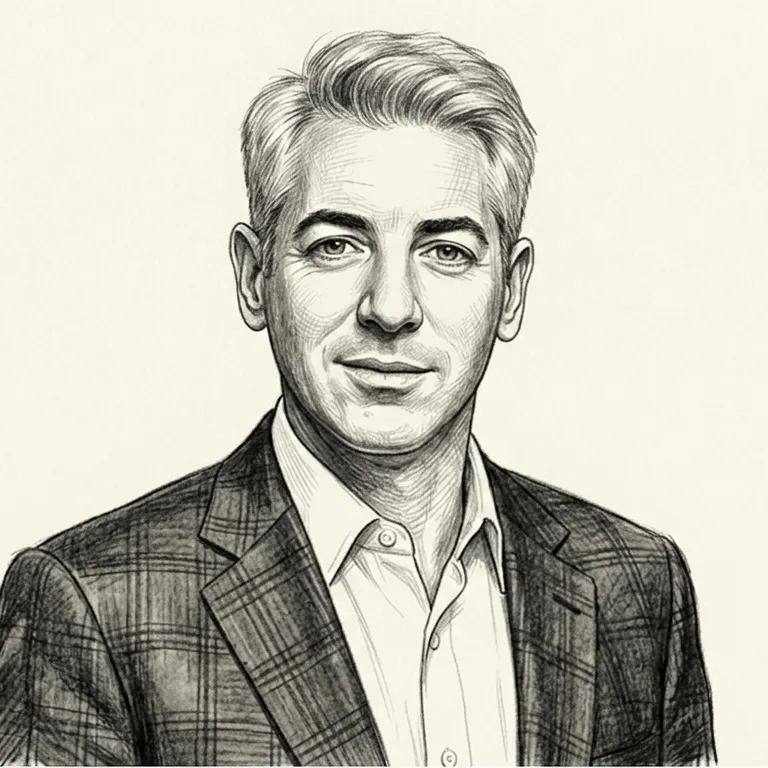
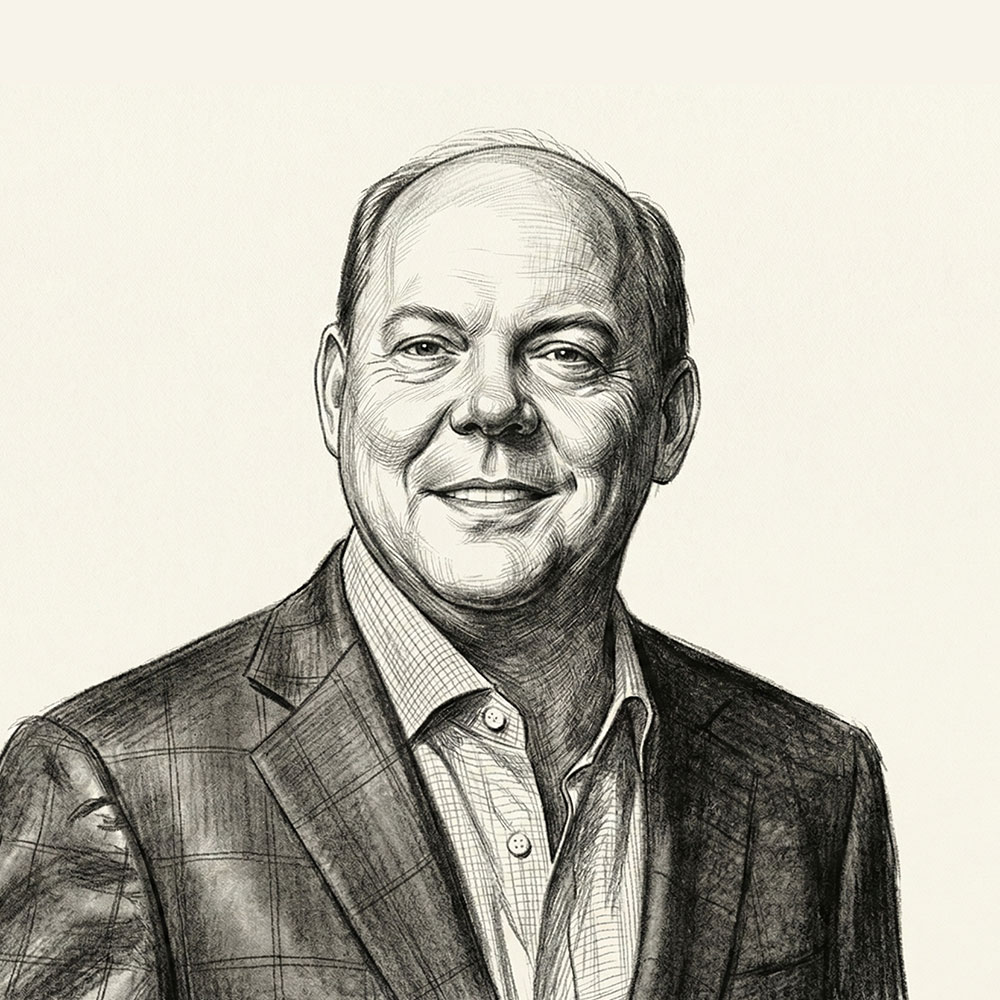
Druckenmiller is the third major fund manager in this 13F cycle to pivot sharply into AI infrastructure. Bill Ackman put roughly $2 billion into Microsoft. Berkshire Hathaway under Greg Abel bought Alphabet while exiting Amazon, Visa, and Mastercard.
Three legendary investors. Three different mega-cap exits. One common destination: AI infrastructure stocks with locked-in multi-year customer contracts. The specific tickers differed; the direction did not.
For ordinary investors, the key question from this 13F is simple: is your AI portfolio exposure concentrated in one or two crowded mega-cap names, or spread across the picks-and-shovels infrastructure companies that smart money is rotating into? Druckenmiller can be wrong. But when he moves this decisively into a single AI infrastructure name after publicly regretting his Nvidia exit, it is worth understanding why.
Frequently Asked Questions
Why did Druckenmiller sell all of his Alphabet shares?
He hasn't given a public explanation. But having built the position nearly fourfold in just one quarter and then liquidating it entirely the next quarter suggests it was a short-term trade. The broader read is a rotation out of crowded mega-cap AI names into AI infrastructure picks-and-shovels plays.
How is Broadcom different from Nvidia in AI chips?
Nvidia dominates general-purpose GPU-based AI accelerators. Broadcom designs custom AI accelerators (ASICs/XPUs) that hyperscalers like Google, Meta, and Anthropic commission when they want to process specific AI workloads at lower cost without paying Nvidia's pricing premium. The two companies are more complementary than competitive.
What is Broadcom's AI revenue outlook?
FY2026 Q1 AI semiconductor revenue was $8.4 billion (+106% YoY), with Q2 guidance of $10.7 billion (+140% YoY). CEO Hock Tan said he has 'line of sight' to over $100 billion in annual AI revenue by 2027. The current AI revenue backlog stands at $73 billion.
13F filings are delayed — is it too late to follow this trade?
Yes, 13F filings are submitted within 45 days of quarter-end. This filing reflects positions as of March 31 and became public May 15 — a 6+ week lag. Druckenmiller is known to flip positions quickly; he built and exited the Alphabet stake within two quarters. Much of the Broadcom trade may already be priced in.
What is the common smart money theme across this 13F cycle?
Druckenmiller, Ackman, and Berkshire all pivoted into AI infrastructure stocks with locked-in multi-year contracts (Broadcom, Microsoft, Alphabet). The specific tickers differ, but the direction is consistent: away from consumer-facing AI mega-caps, toward picks-and-shovels infrastructure.




Wall Street's Defining Moments
See more

Sunday's SEC 8-K Earnings Filings Quiet, but Royal Gold Doubles Net Income and Launches Buyback
 RGLD
RGLDVeritone Earnings Shock Sends Shares Down 23%...York Space Systems Among 25 US Companies Filing SEC 8-K Earnings Reports
 YSS
YSS CODX
CODX IPWR+26
Applied Materials Posts Record Q3 Revenue of $9.1 Billion, All-Time High EPS
 AMAT
AMATSmart Money Briefing
Weekly summaries of Wall Street guru moves and crypto whale activity.