'Regime change' declared, but inflation still above 2%... The reformer's first test
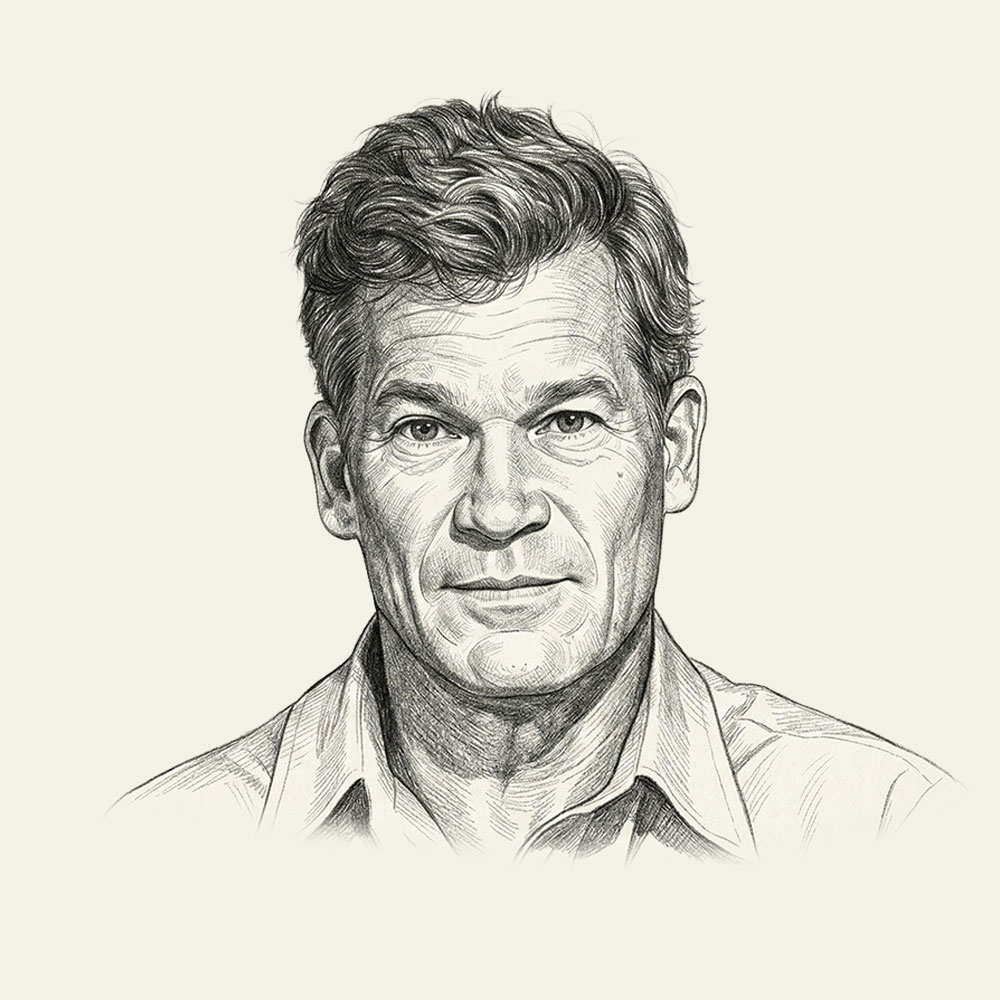
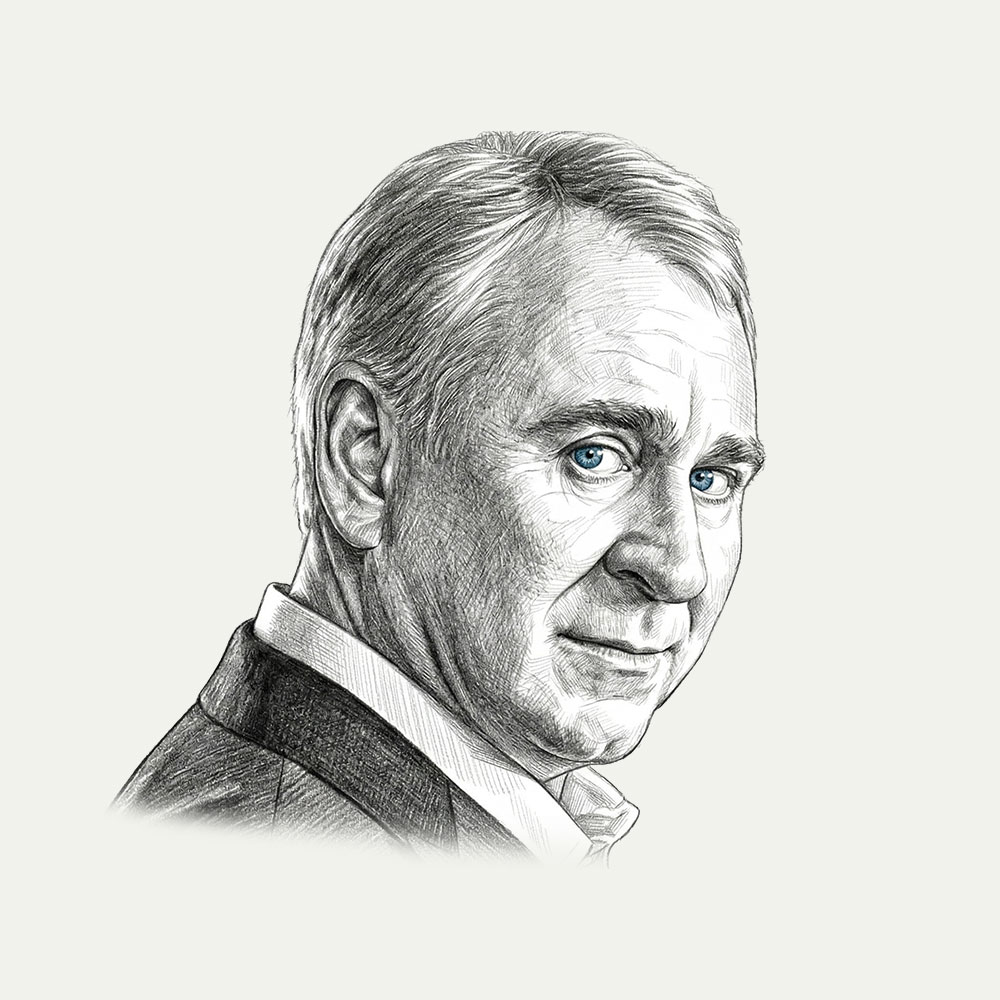
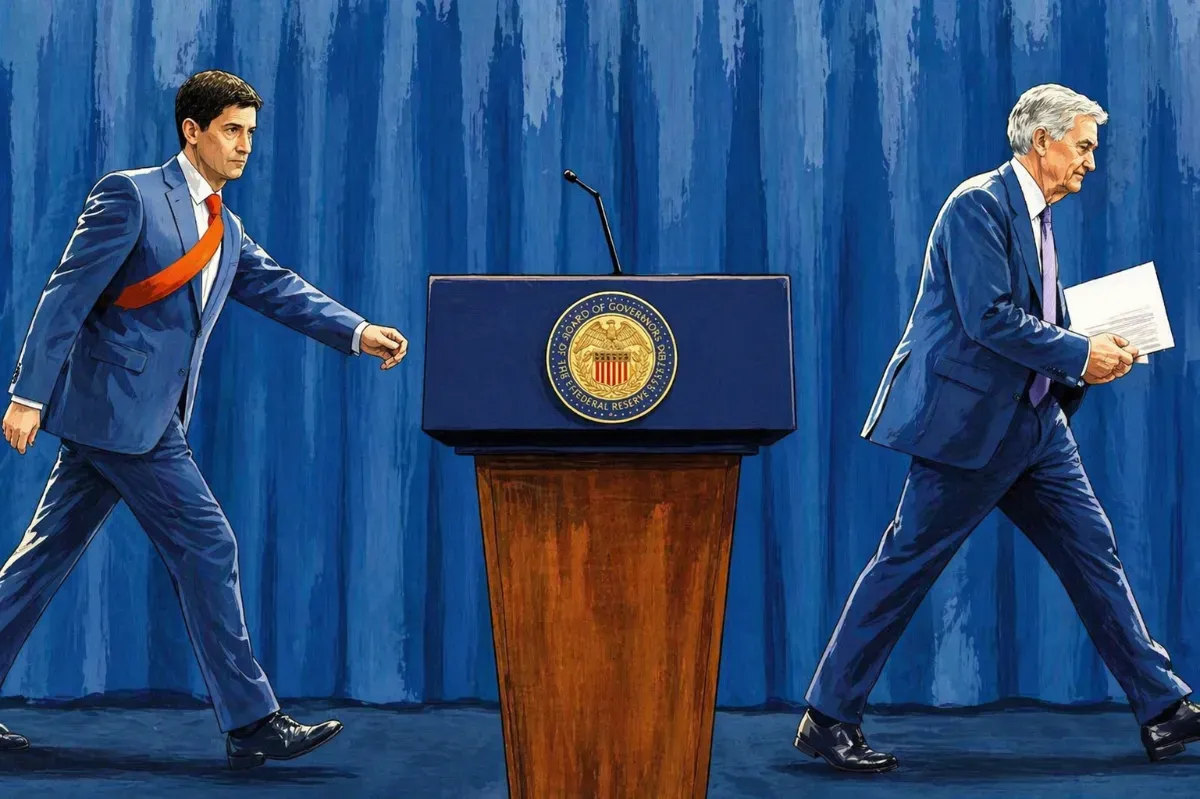
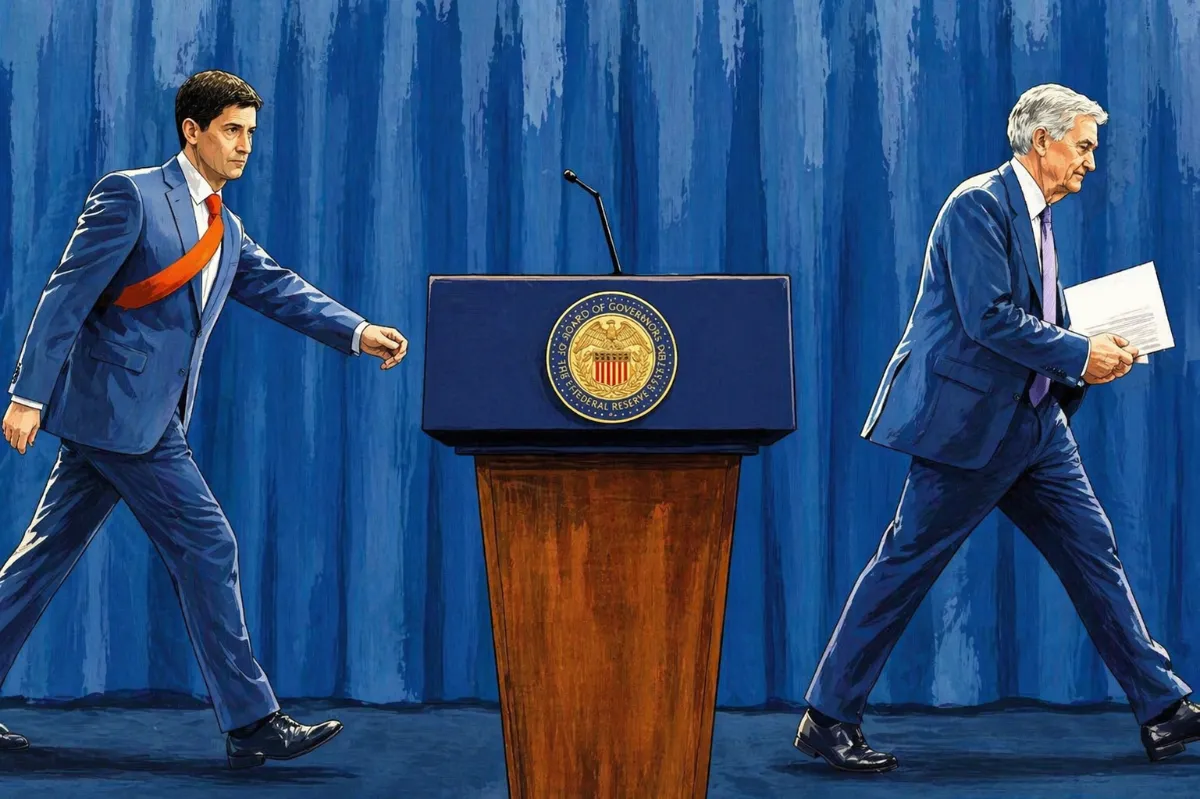
Kevin Warsh waited 15 years.
After voluntarily leaving his Fed Board position in 2011, he publicly criticized Ben Bernanke's quantitative easing and condemned the Fed's 2020 adoption of Average Inflation Targeting (AIT) as a 'fatal policy error,' exposing the central bank's failures from outside Washington. Trump's nomination of him as the next Fed chair in January 2026 seemed like the culmination of those 15 years.
On April 21, appearing before the Senate Banking Committee, Warsh declared: "The 25-35% price surge Americans experienced after COVID was the result of the Fed's fatal policy errors. I will achieve regime change."
However, a reformer's first enemy is always reality.
What He Plans to Change
Warsh's reform agenda can be condensed into three key points. First, changing inflation measurement methods. He announced plans to adopt a 'trimmed median' approach instead of the current core PCE, aiming to read price trends using median values while removing extreme outliers. Second, abolishing forward guidance. This stems from his belief that the Fed's practice of pre-announcing rate paths increases market dependency and undermines policy flexibility. Third, overhauling communication practices overall. He wants to shift to a data-driven approach to reduce the Fed's excessive responsibility to markets.
Low inflation is the Fed's reason for existence.
Kevin Warsh, Fed Chair Nominee
The Measurement Method Could Backfire
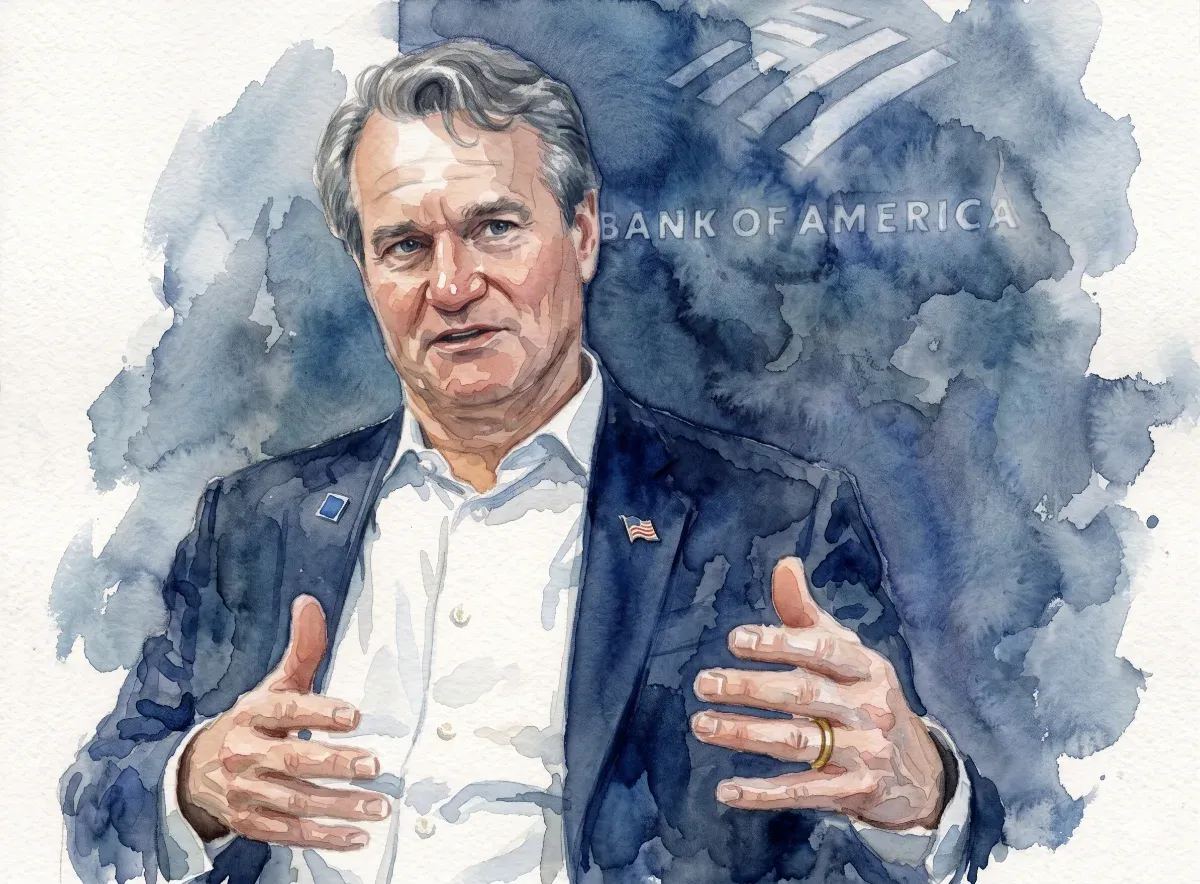
However, Warsh's solution contains a paradox. Bank of America economist Aditya Bhave warns that because the trimmed median method only removes extreme values, it could actually record higher inflation readings than core PCE when food or energy prices rise even modestly across the board. Historical data shows instances where this measurement method exceeded core PCE.
Warsh wants to measure inflation with what he believes is a more accurate gauge, but that gauge could point to higher numbers. Rather than achieving the 2% target, the baseline itself could shift upward. It's an irony where 'measurement reform' could unintentionally be read as 'inflation deterioration.'
The AI Solution Optimism
Warsh presents an AI productivity revolution as a medium-term solution. His view is that AI will lower supply costs and boost economy-wide productivity, naturally contributing to price stability. Markets read this perspective as a signal that reduces the likelihood of aggressive tightening.
However, most central bankers believe that AI productivity effects will take considerable time to materialize, making them difficult to directly incorporate into short-term interest rate policy. You can't anchor next year's or the year after's inflation on AI expectations. This explains criticism that while there's vision, there's no immediate prescription.
"Will You Be a Puppet?"
The hearing's highlight was Senator John Kennedy's direct hit: "Will you be Trump's human sock puppet?"
Warsh's response was firm: "Absolutely not." He revealed he had never received advance requests from Trump to promise rate cuts.
But declaring independence doesn't guarantee independence. Republican Senator Tom Tillis is creating variables in the confirmation schedule by withholding support until the Justice Department's investigation of Chair Powell is completed. Democratic Senator Elizabeth Warren focused more on political issues than monetary policy during the hearing. Even if Warsh takes the chair, Trump's pressure for rate cuts will continue in real-time.
The Wall Warsh Must Overcome
The challenge he faces can be succinctly summarized in numbers. US inflation has fallen from its June 2022 peak of 9.1% to about 3% currently, but the Fed hasn't achieved its 2% target for over five years. The Trump administration's tariff policies and Iran war-driven oil price shocks are adding additional upward pressure. The Fed's balance sheet has shrunk from $9 trillion to $6.6 trillion, but further reduction is needed.
The reform agenda only works if inflation is contained. Abolishing forward guidance while prices exceed targets means markets will price in uncertainty at a premium. Changing measurement methods raises credibility concerns. If situations arise requiring rate hikes or holds amid Trump pressure, political clashes become inevitable.
Warsh said he would fix the Fed. But to fix that Fed, he must first solve the very problem he has criticized the Fed for failing at: inflation. The first enemy a reformer must fight isn't external resistance, but the very problem he knows best.
InteliView Editorial | 2026.04.25