
Citigroup Cuts Samsung Electronics Price Target to 300K Won; Union Bonus Accruals Weigh on Earnings
Citigroup's new 300K won price target. Union bonus accruals expected to reduce 2026–2027 operating profit 10–11%. Memory and HBM4 fundamentals rated "record-cycle strong."
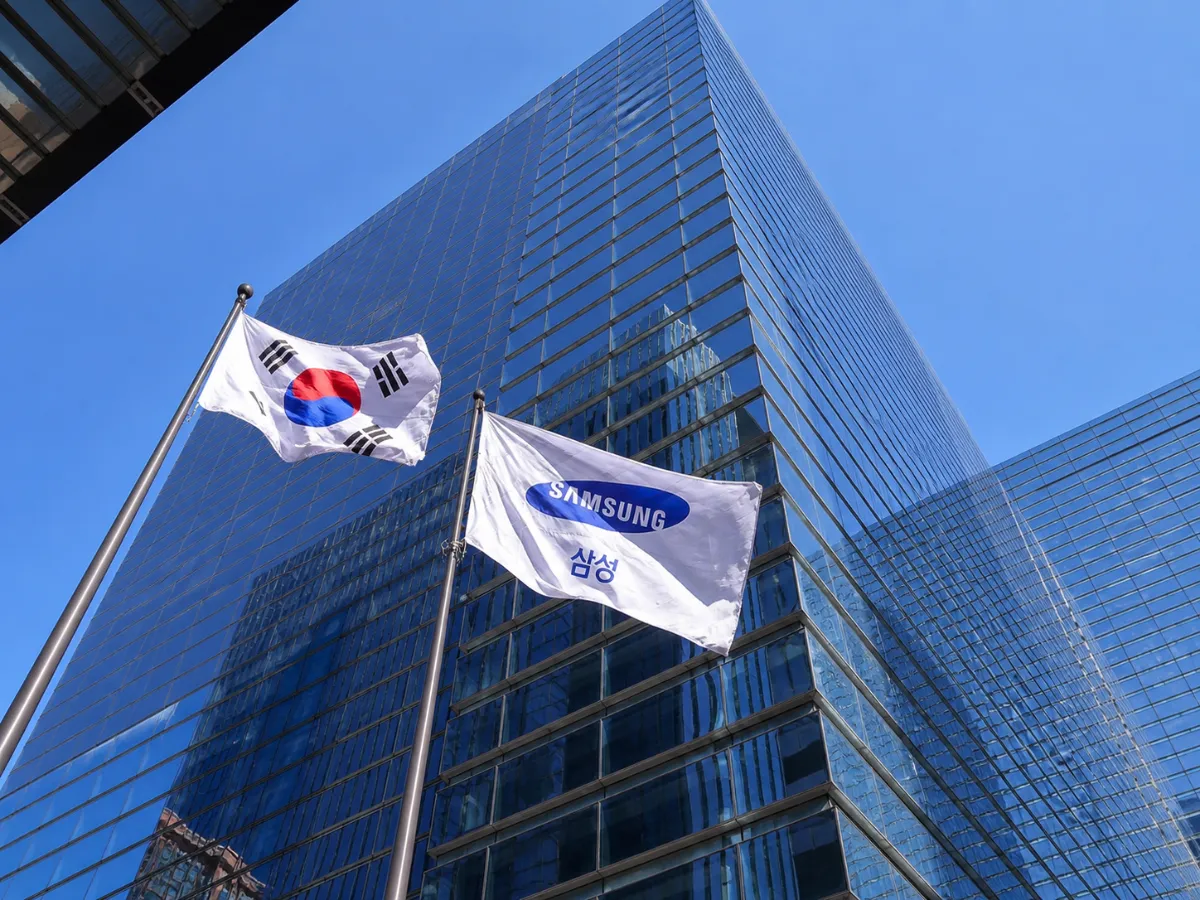
- Citigroup cut Samsung Electronics target to 300K won; union bonuses could cut 2026–2027 profit 10–11%
- Memory supply at record-low levels; HBM4 crossover expected Q3
First global IB price target cut of the year… 2026–2027 operating profit estimates cut 10–11%; memory fundamentals rated "robust"
Citigroup lowered its price target for Samsung Electronics (005930) from 320K won to 300K won, a 6.3% reduction, while maintaining a Buy rating. This marks the first time a major global investment bank has cut Samsung's price target this year.
Peter Lee, Citigroup analyst, attributed the downgrade in his April 30 report to labor dispute risk, despite the stock trading 30% below the new target. The escalating union strikes will generate performance bonus accruals that will visibly impact earnings in coming quarters.
What Are Bonus Accruals and How Much Do They Cut Profits?
Performance bonus accruals are an accounting treatment in which future performance bonuses are recorded as a current-period expense. When a liability is probable, the estimated amount must be recognized in the current period, even if not yet paid. This creates "earnings noise" — operating profit appears depressed even when underlying business fundamentals remain solid.
Citigroup assumes Samsung will accrue bonus provisions at a scale similar to SK Hynix. SK Hynix has already pre-booked performance bonus accruals at roughly 10% of quarterly operating profit. Samsung did not include this accrual in Q1 earnings. Starting in future quarters, reported results could miss expectations due to this provision.
On this basis, Citigroup lowered Samsung's 2026 operating profit estimate by 10% and its 2027 estimate by 11%.
Memory Fundamentals Themselves: "Record-Cycle Strength"
Despite the target cut, Citigroup maintained its Buy rating because memory fundamentals are solid.
The explosive growth in token consumption driven by agentic AI—systems that reason and act autonomously—is structurally outpacing memory supply with demand. Peter Lee noted that "customers are already pre-booking 2027 volumes; inventory-to-demand ratios are at historically low levels." Given the lead time for new fab construction, memory scarcity will intensify through 2027.
HBM (high-bandwidth memory) outlook is also positive. The profitability gap between HBM and commodity DRAM is expected to remain meaningful through 2027, driving Samsung's earnings growth. Samsung's target to triple HBM revenue year-over-year in 2024 remains achievable, and HBM4 is expected to surpass legacy HBM3E in Q3 revenue.
Two Variables That Will Determine the Stock's Next Move
Citigroup identified two critical variables for Samsung's stock trajectory: resolution of labor risk and timing of HBM4 production qualification by key customers. Prolonged labor disputes will accumulate accrual burdens, while delayed HBM4 ramp delays Samsung's market-share capture relative to rivals.
Additional downside risks include pricing pressure from competitors' aggressive memory and foundry capacity investments and potential headwinds from Korean won strength.
Frequently Asked Questions
How much do performance bonus accruals impact operating profit?
Based on SK Hynix precedent, roughly 10% of quarterly operating profit. If Samsung adopts similar accruals, quarterly operating profit could appear reduced by trillions of won—though this reflects accounting treatment, not deteriorating business quality.
Why is HBM4 production qualification so critical?
GPUs used in AI training and inference require HBM as a mandatory component. Key customers like NVIDIA must grant production approval before mass shipments begin. Delayed approval allows competitors like SK Hynix to capture that volume.
If the target is 300K won, how much upside does Samsung stock have from current levels?
Over 30% upside from current price. This is why Citigroup maintained a Buy rating despite cutting the target—the risk-reward remains favorable even after the revision.
How does agentic AI expansion affect memory demand?
Agentic AI systems perform multi-step reasoning loops for single tasks, multiplying token throughput by orders of magnitude versus standard chatbots. Each loop requires more GPU cores and more memory, structurally driving HBM and DRAM demand higher.









Wall Street's Defining Moments
See more


Sunday's SEC 8-K Earnings Filings Quiet, but Royal Gold Doubles Net Income and Launches Buyback
 RGLD
RGLDVeritone Earnings Shock Sends Shares Down 23%...York Space Systems Among 25 US Companies Filing SEC 8-K Earnings Reports
 YSS
YSS CODX
CODX IPWR+26
Applied Materials Posts Record Q3 Revenue of $9.1 Billion, All-Time High EPS
 AMAT
AMATSmart Money Briefing
Weekly summaries of Wall Street guru moves and crypto whale activity.