
South Korea's Kospi Hits All-Time High as U.S.-Iran Deal Hopes Lift Asia Markets
South Korea's Kospi index hit a fresh record on May 26 as hopes of a U.S.-Iran diplomatic breakthrough sent oil prices lower and boosted risk appetite across Asian markets. Foreign investors posted a second consecutive session of net buying.
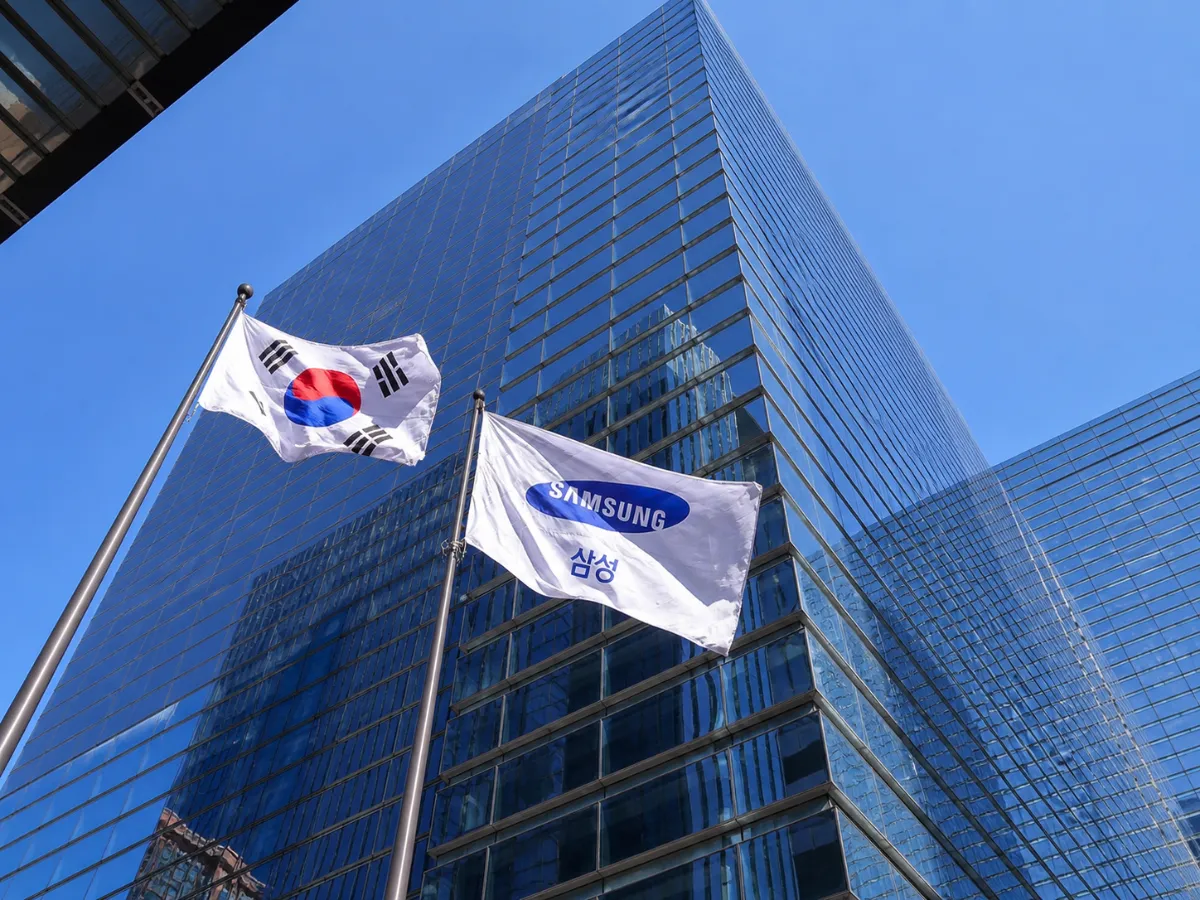
- Kospi hit a fresh record on May 26 as U.S.-Iran deal hopes deflated oil prices and revived risk appetite, with foreign investors net-buying Korean equities for a second straight day
South Korea's Kospi index hit a fresh all-time high on May 26 as reports of a potential U.S.-Iran diplomatic breakthrough sent oil prices sharply lower and sparked a broad rally in Asian risk assets. The Nikkei 225 and Hang Seng also advanced.
Iran Deal Hope → Oil Drop → Import Cost Tailwind
A credible U.S.-Iran agreement would reopen Iranian crude exports, adding supply pressure on global oil prices. South Korea is a net energy importer, so cheaper oil directly improves the trade balance and suppresses import inflation. A weakening dollar and lower oil also reduce the won's depreciation pressure, making Korean assets more attractive to foreign investors.
Large-cap names including Samsung Electronics, SK Hynix, and LG Energy Solution all posted gains. SK Hynix continued its AI-memory-driven outperformance. Foreign investors recorded a second straight session of net buying in Kospi cash equities.
AI Boom + Geopolitical De-risking: A Double Tailwind
The Kospi record is not a one-off spike. It reflects a convergence of tailwinds: recovering semiconductor fundamentals tied to AI infrastructure demand, tentative U.S.-China tariff relief, and now potential Middle East de-escalation. South Korea's government-backed 'Value-Up' program has been building a structural foundation for inbound foreign capital, and the current global risk-on rotation is amplifying that effect.
Related Stocks & ETFs
005930 — Samsung Electronics / 000660 — SK Hynix / EWY — iShares MSCI South Korea ETF
Frequently Asked Questions
Is this KOSPI all-time high sustainable?
The setup is supportive — AI semiconductor momentum, US-Iran talks, foreign buying, and won stability are all aligned. However, if the Iran deal falls apart, oil could rebound, and US-China tensions remain a live variable. A sustainable breakout requires the macro tailwinds to hold.
What does two consecutive days of foreign net buying signal?
Foreign investors are the most influential force on Korean market direction. Two straight days of net buying isn't just a flow event — it signals recovering appeal for Korean won-denominated assets. Won stability and improving semiconductor fundamentals are driving this reversal.
Why are Samsung and SK Hynix leading the index higher?
Both companies carry enormous weight in the KOSPI by market cap. Combine that with the AI memory (HBM) supercycle momentum and you get a dual tailwind — index weight plus earnings momentum. As long as the global AI investment cycle continues, they will remain the dominant index driver.

Veritone Earnings Shock Sends Shares Down 23%...York Space Systems Among 25 US Companies Filing SEC 8-K Earnings Reports
 YSS
YSS CODX
CODX IPWR+26
Applied Materials Posts Record Q3 Revenue of $9.1 Billion, All-Time High EPS
 AMAT
AMATCoherent, Performance Food Among 25 US Firms File SEC 8-K Earnings Disclosures as AI Chip, Biotech Earnings Season Kicks Off
 COHR
COHR CBRS
CBRS AOSL+21
Wall Street's Defining Moments
See more
Sunday's SEC 8-K Earnings Filings Quiet, but Royal Gold Doubles Net Income and Launches Buyback
 RGLD
RGLDVeritone Earnings Shock Sends Shares Down 23%...York Space Systems Among 25 US Companies Filing SEC 8-K Earnings Reports
YSSCODXIPWR+26Applied Materials Posts Record Q3 Revenue of $9.1 Billion, All-Time High EPS
AMATSmart Money Briefing
Weekly summaries of Wall Street guru moves and crypto whale activity.