Shell Beats Q1 Earnings by 10% on $6.9B Adjusted Profit; Iran War Lifts Energy Prices
Shell reported Q1 adjusted profit of $6.92 billion, exceeding analyst consensus by 10%. Strong trading performance and surging crude prices driven by Iran tensions offset damage to Qatar gas facilities. Buybacks reduced, dividend raised 5%.
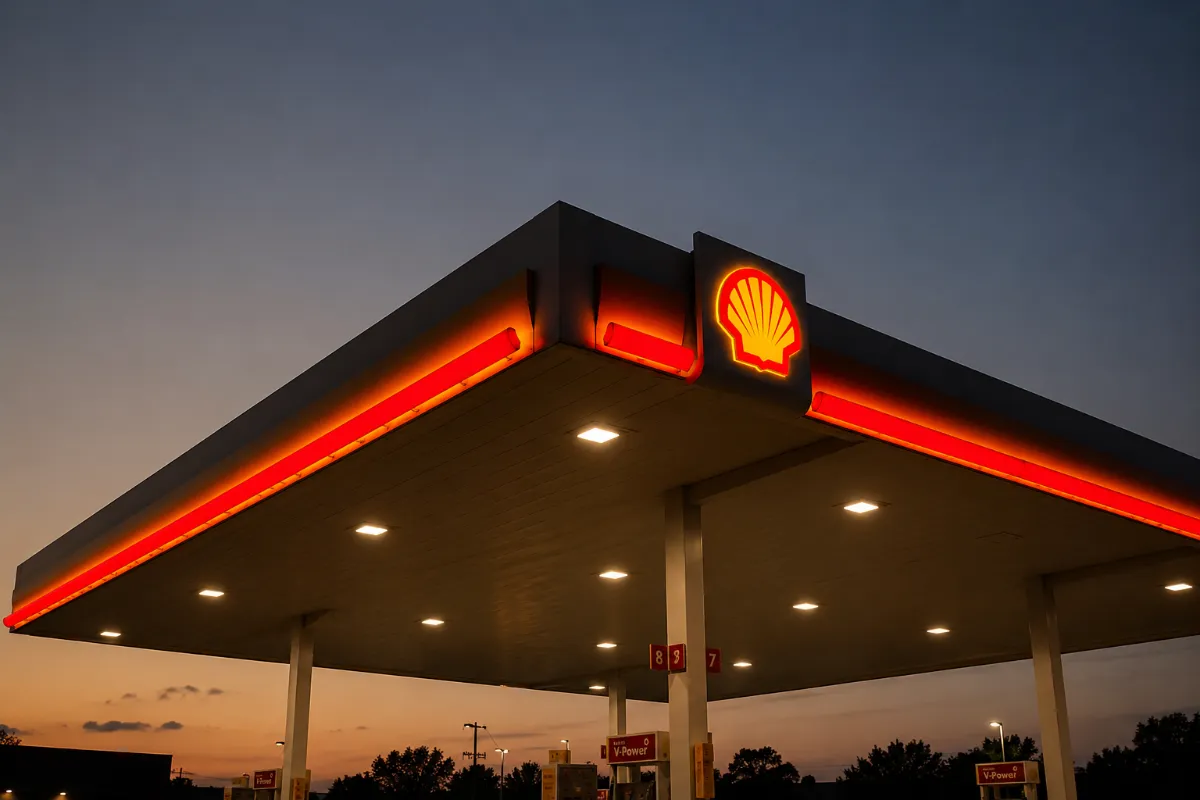
- Shell beat Q1 consensus by 10% with $6.92B adjusted profit, as Iran tensions and trading strength offset Qatar gas facility damage
- The company reduced buybacks to $3B and raised dividend 5%
+24% YoY, 10% above consensus... Qatar gas facility damage and reduced buybacks cast shadows
UK energy major Shell announced Q1 adjusted profit of $6.92 billion on April 7. The figure exceeded LSEG analyst consensus of $6.1 billion by over 10% and was up 24% from the year-ago quarter ($5.58 billion).
Iran-related tensions driving energy prices higher provided the direct backdrop to the earnings surprise. Brent crude approached $120 per barrel during the first quarter.
Trading masked production declines
The Upstream segment posted adjusted profit of $2.4 billion, supported by higher realized oil and gas prices. The Integrated Gas segment maintained $1.8 billion driven by LNG trading and long-term contract pricing structures. The Chemicals & Products division was the strongest performer. Refining utilization reached 99% and improved trading margins delivered $1.9 billion in profit.
The result of focusing on operational performance amid unprecedented global energy market disruption
Wael Sawan, Shell CEO
Yet structural headwinds lie beneath this strong performance.
Qatar gas facility damage — one year repair timeline expected
Middle East tensions caused damage to Shell's Pearl GTL gas facility in Qatar, with repairs expected to take roughly one year. As a result, Shell's Q1 Integrated Gas production fell 4% sequentially to 880,000—920,000 BOE/d (barrels of oil equivalent per day).
While trading plugged the production gap, sustained suboptimal operations at the Qatar facility over a year will create cumulative headwinds. Pressure on the gas segment may persist from Q2 onward.
Reduced buybacks, dividend raised 5%
Shell cut quarterly share repurchases from $3.5 billion to $3.0 billion. However, the company raised its dividend by 5%.
Operating cash flow (excluding working capital) was strong at $17.2 billion, but working capital outflows tied to commodity price volatility reached $11.2 billion. The structure creates rising working capital pressure as crude prices spike.
ARC Resources $16.4B acquisition in progress
Shell has signed a $16.4 billion deal to acquire Canadian energy company ARC Resources. The acquisition is expected to add 370,000 BOE/d of production and support 4% annual production compound growth through 2030. Shell plans to spend approximately $4.0 billion on acquisition payments this year, with 2026 capital expenditure guidance of $24.0—26.0 billion.
Frequently Asked Questions
Why was Shell's trading segment so strong?
Trading profit expands when energy prices surge and volatility increases. Shell operates one of the most developed trading desks among major energy companies. Iran-related price spikes and regional price differentials significantly boosted trading gains.
Will earnings collapse if crude prices fall?
Upstream is directly tied to oil prices. However, Shell's diversified portfolio—trading, long-term LNG contracts, and refining—creates lower volatility than pure E&P companies. The ARC acquisition will further diversify through increased Canadian LNG exposure.
What is the impact of reduced buybacks on shareholders?
Near-term EPS accretion from buyback support diminishes. The cut reflects conservative capital allocation given ARC funding needs and Qatar facility repair costs. The 5% dividend hike partially offsets the effect.
Why is Shell attractive for Korean investors?
Among global energy majors, Shell's higher trading and LNG mix creates lower earnings volatility relative to crude moves. The company trades as ADR (SHEL) with ~4% dividend yield. The ARC deal increases Canadian LNG exposure, relevant for major LNG import nations like Korea, China, and Japan.



Wall Street's Defining Moments
See more


Sunday's SEC 8-K Earnings Filings Quiet, but Royal Gold Doubles Net Income and Launches Buyback
 RGLD
RGLDVeritone Earnings Shock Sends Shares Down 23%...York Space Systems Among 25 US Companies Filing SEC 8-K Earnings Reports
 YSS
YSS CODX
CODX IPWR+26
Applied Materials Posts Record Q3 Revenue of $9.1 Billion, All-Time High EPS
 AMAT
AMATSmart Money Briefing
Weekly summaries of Wall Street guru moves and crypto whale activity.