Kevin Warsh Dreams of Greenspan — How AI Could Build Another Dot-Com Bubble
Warsh said directly: "My analog is Greenspan 1993–94." But AI's macro productivity effect is unconfirmed, and PCE at 3.5% + deglobalization make today a different environment. The dot-com structure is visible again.

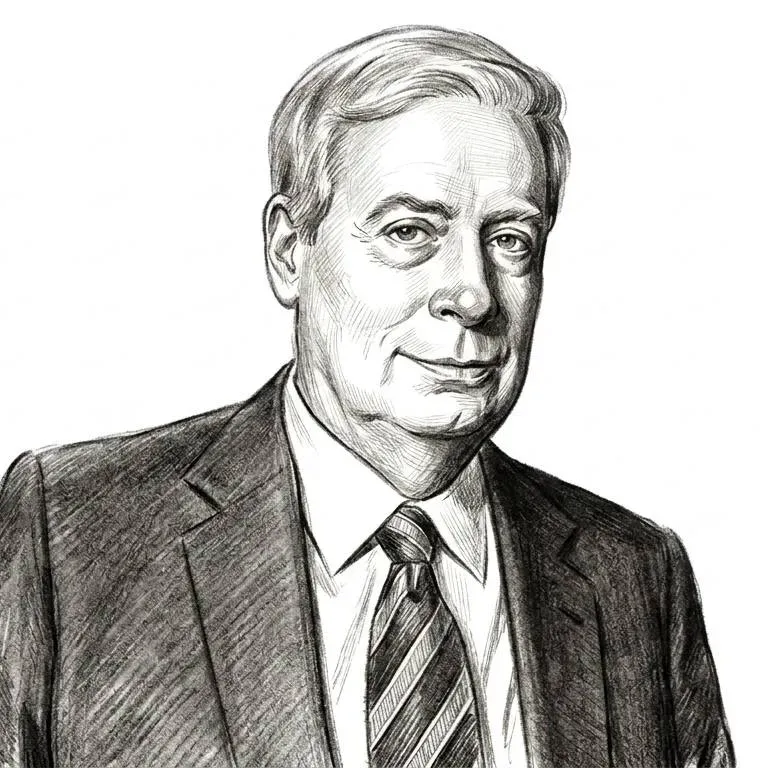
- Kevin Warsh said directly in an interview, "My analog is Greenspan 1993–94." He plans to create easing room on the logic that AI will produce structural disinflation, and to kill forward guidance in favor of Greenspan-style ambiguity
- But the San Francisco Fed concludes AI's macro productivity effect has not yet been confirmed, while PCE at 3.5%, tariff-driven 0.3–0.5pp inflation, and deglobalization make today a different environment
- The four FOMC dissents also split — hawkish and dovish at the same time
Warsh himself says "my analog is Greenspan 1993–94." But the macro productivity effect of AI is unconfirmed, and PCE at 3.5% plus deglobalization make today different.
Kevin Warsh said directly who he wants to be like.
The analog I have in mind is Greenspan in 1993–1994. The internet revolution was just emerging. He believed there was no need to hike rates even with incomplete data, because the wave of technology was going to structurally produce disinflation. Many around him warned of overheating and pushed for hikes, but he held his conviction. The result was a strong economy, stable prices, and US competitiveness.
Kevin Warsh — Newsmax interview
Those words are from Warsh's own interview. A Fed-chair nominee naming a predecessor directly as a role model is unusual. There is no clearer signal of how he intends to run monetary policy.
Why Greenspan was right — and wrong — at the same time
Greenspan's judgment was half-right. The IT revolution did boost productivity. The internet worked in a disinflationary direction. Companies became more efficient and consumers could buy cheaper. The thesis that technology produces disinflation was reality in the late 1990s.
But that judgment also became the rationale for oversupplying liquidity to markets, and that liquidity was the fuel of the dot-com bubble. The myth that technology was rewriting the economy lowered guard against asset prices. Expectations ran ahead of substance, and when expectations broke, markets collapsed.
Choosing Greenspan as a role model means shouldering both sides of that ledger.
"AI is the biggest productivity wave of our era" — Warsh's logic
Warsh said it directly on Newsmax: "AI will be the biggest productivity-boosting wave of our era. We may need to bet on it before the data shows up."
That is the core. "Bet before the data shows up." The same choice Greenspan made in 1993–94 — running monetary policy on the belief that the productivity effect will come, before it can be confirmed in the numbers.
But the macro productivity effect of AI today is not yet showing what was expected. There are gains at the task level — 14–15% improvement in customer support, 26% in software development. BCG and WEF estimate the macro-wide productivity lift at about 0.5 percentage points per year. The OECD optimistic scenario tops out at 1.3 pp.
But the San Francisco Fed concluded in February 2026: "Most macroeconomic studies have yet to find a significant productivity effect from AI." CEOs expect 1.4 pp of lift over the next three years, but that expectation has not yet shown up in the macro data. BCG research also found that using three or more AI tools simultaneously can in fact reduce productivity.
The AI productivity effect Warsh is betting on is still an expectation, not yet proven in data. Structurally the same as Greenspan's IT optimism.
Two things that are different from the 90s
Here is the core point Korean strategist Oh Gun-young raised. The conditions that let Greenspan succeed are not in place in 2026.
First, the inflation baseline is different. In the late 1990s the US inflation baseline was low. PCE is now 3.5%, core PCE 3.2% — about 1.75× the Fed's 2% target. Even an AI productivity lift of 0.5–1.3 pp annually is short of bringing today's inflation back to target.
Second, globalization has retreated. In Greenspan's 1990s, China's entry into global supply chains structurally lowered goods prices. Globalization supported the disinflationary force of technology. Today it runs the other way. Tariffs are estimated to add 0.3–0.5 pp to PCE. Combined with Iran-risk and energy-price shocks, Moody's Analytics warns this could become a structural inflation pressure, not a one-time bump.
Even if technology produces disinflation, whether it can offset the counter-pressure from deglobalization and tariffs is unproven. "AI lifts productivity" and "that can bring today's inflation back to target" are different claims.
Killing forward guidance — the return of Greenspan-style ambiguity
Warsh stated it explicitly at the Senate hearing in April: "Fed officials need to talk less. Forward guidance is distorting market expectations."
His diagnosis: under Powell, the Fed gave so many hints on the rate path that the market digested each hint and waited for the next. That structure itself fuels false expectations and inflates bubbles. Returning to Greenspan-style ambiguity is how you stop excess expectations from forming.
Greenspan once famously said, "If I seemed to speak clearly, you misunderstood me." If Warsh adopts that mode, markets will operate in a more uncertain environment where the Fed's next move is not legible.
Four dissents — hawkish and dovish at the same time
Reading the prior FOMC's 8–4 vote as "four hawkish dissents" misreads it. The dissents split direction.
Kashkari, Logan, and Hammack dissented in the hawkish direction — calling for removal of easing-bias language. Miran dissented in the dovish direction — calling for a rate cut. When Warsh chairs his first FOMC in June, he will have to handle these four divided voices simultaneously.
In its January 2026 World Economic Outlook, the IMF presented a risk scenario in which a moderate correction in AI-stock valuations combined with financial tightening cuts global output by 0.4% in 2026. The downside if Warsh's AI-optimism bet is wrong is not small.
A Fed chair who dreams of Greenspan will sit down to his first meeting carrying PCE at 3.5%, deglobalization, and a divided FOMC. How different the conditions of 1993–94 are from 2026 is something markets will start pricing in before long.
Frequently Asked Questions
If Warsh becomes the new Greenspan, what does it mean for markets?
Killing forward guidance raises market uncertainty. At the same time, an easing bias rooted in AI optimism can push liquidity higher. As in the 1990s, that mix can seed either a long boom or a bubble. Both scenarios share the same starting point.
Can the AI productivity effect actually bring inflation down?
It works at the task level, but the spillover to the macro economy is unconfirmed. BCG and WEF estimate a ~0.5 pp annual macro lift, while tariffs alone add 0.3–0.5 pp to PCE — net effect is unclear.
Why is killing forward guidance risky?
When markets cannot predict the Fed's next move, volatility rises. Especially in an environment of Trump-era political pressure on the Fed and questions of Fed independence, ambiguity can become the trigger for markets to price worst-case scenarios.
How likely is the IMF risk scenario?
The IMF put the scenario at a 0.4% global output decline if AI-stock valuations correct and financial tightening coincide. If Warsh's AI-optimism bet is wrong and rates stay higher than expected, the probability of that scenario rises.






Wall Street's Defining Moments
See more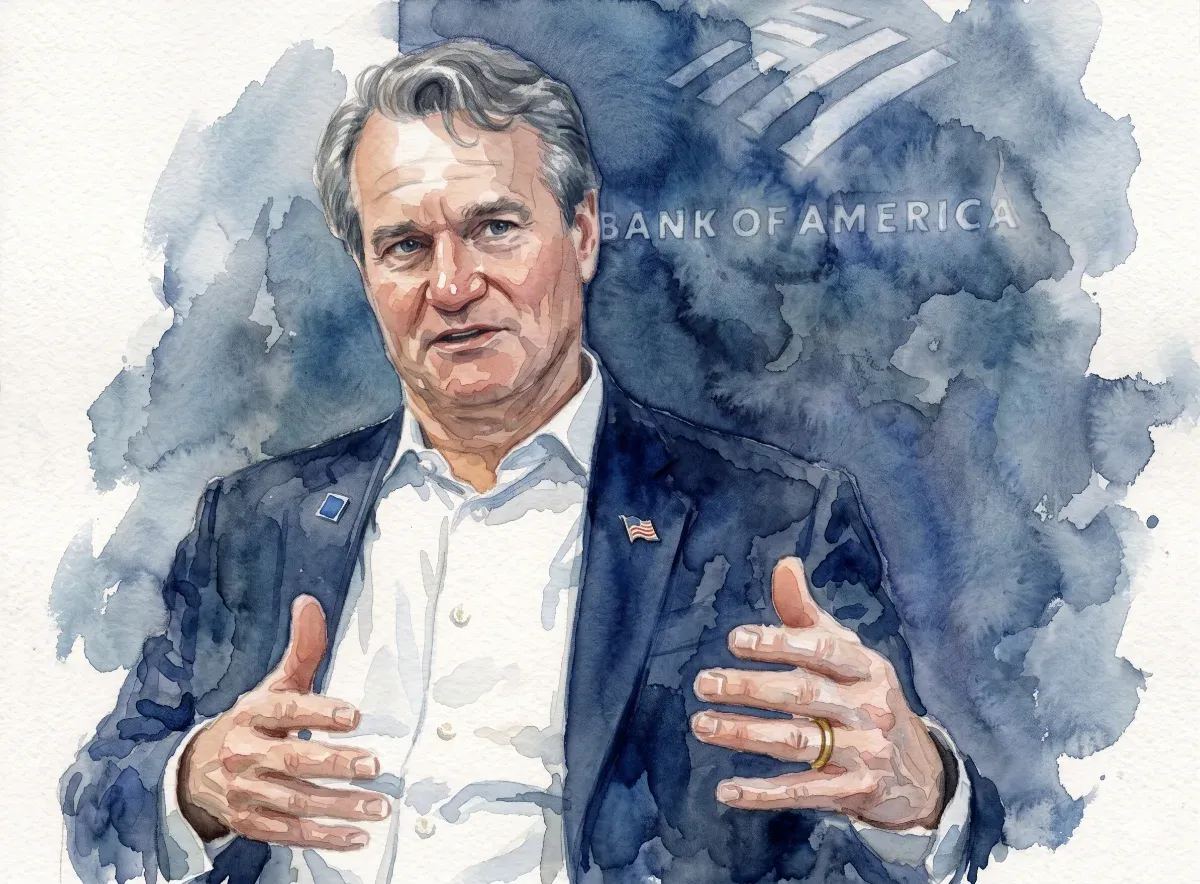

Sunday's SEC 8-K Earnings Filings Quiet, but Royal Gold Doubles Net Income and Launches Buyback
 RGLD
RGLDVeritone Earnings Shock Sends Shares Down 23%...York Space Systems Among 25 US Companies Filing SEC 8-K Earnings Reports
 YSS
YSS CODX
CODX IPWR+26
Applied Materials Posts Record Q3 Revenue of $9.1 Billion, All-Time High EPS
 AMAT
AMATSmart Money Briefing
Weekly summaries of Wall Street guru moves and crypto whale activity.